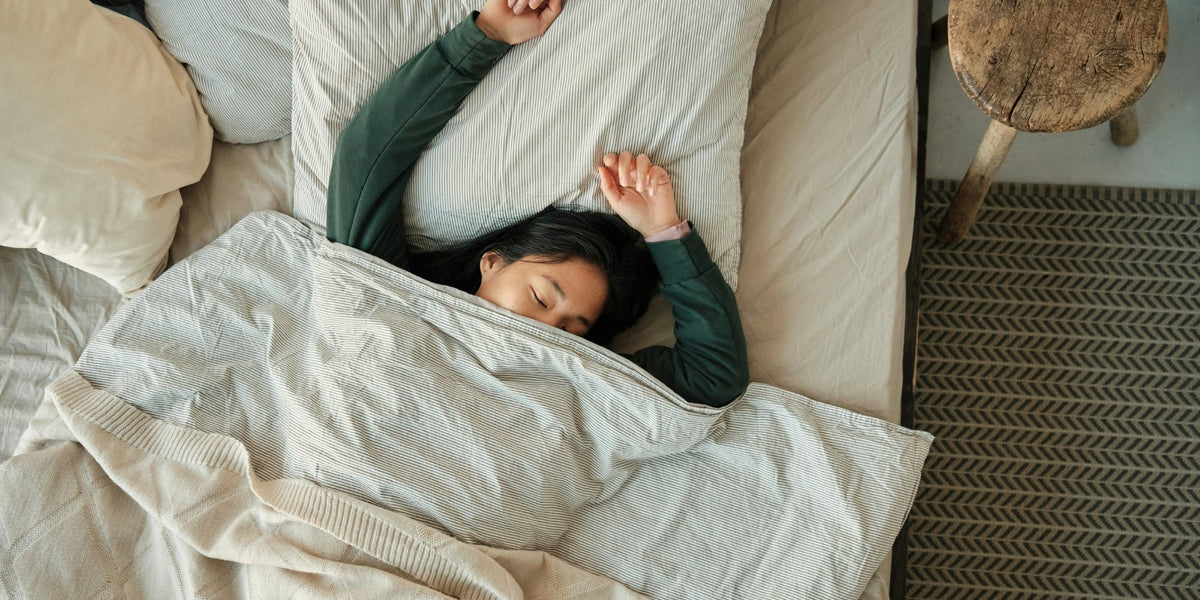
Some people can pile on the blankets without a second thought. Others tuck into a cozy bed only to wake up hours later kicking off the covers, searching for the cool side of the pillow, or wondering why their pajamas feel damp.
Sleeping hot can be caused by everything from your bedroom temperature and bedding to hormones, medications, and lifestyle habits. But regularly waking up drenched may point to night sweats, which are not always the same as ordinary overheating. Understanding the difference can help you determine whether changing your sleep environment may improve your comfort or whether it is worth discussing your symptoms with a healthcare provider.
Sleeping Hot & Night Sweats: Key Points
- Sleeping hot can have environmental, lifestyle, or physiological causes, including room temperature, bedding materials, hormones, health conditions, alcohol, medications, and late-night foods.
- Sleeping hot and experiencing night sweats are not necessarily the same. Environmental overheating may improve when you adjust your room or bedding, while night sweats can soak sleepwear or sheets even when the room is comfortably cool.
- A cooler bedroom can support the body’s natural temperature drop before sleep, with approximately 65°F often recommended as a comfortable starting point.
- Mattress and bedding materials matter. Breathable cotton, linen, wool, and mattress constructions designed to encourage airflow can help manage heat and moisture more comfortably.
- Additional strategies include maintaining airflow, choosing lightweight sleepwear and seasonal bedding, taking a warm bath before bed, sleeping separately when needed, and staying hydrated.
Note: This blog may contain links to Naturepedic products and promotional content where relevant to the topic discussed.
Why Do I Get Hot or Sweat at Night?
Feeling too hot in bed can be attributed to several factors, both environmental and physiological. Your bedroom may simply be too warm, or your mattress, bedding, or sleepwear may be holding heat close to your body. Materials like polyester and some dense foam constructions can restrict airflow, while breathable fabrics like cotton and linen can help heat and moisture move away from the body more comfortably.
Internal factors can also affect how warm or sweaty you feel at night. Individual metabolism, hormonal changes, medications, and certain health conditions may all contribute, including:
- Hyperthyroidism
- Sleep apnea
- Anxiety
- Menopause and other hormonal changes
- Certain medications
Lifestyle factors may play a role, too. Alcohol, strenuous physical activity close to bedtime, and hot or spicy foods may contribute to overheating or sweating in some people.
If you regularly wake up with soaked pajamas or bedding even when your bedroom is comfortably cool, you may be experiencing night sweats rather than ordinary environmental overheating.
What's the Ideal Bedroom Temperature?
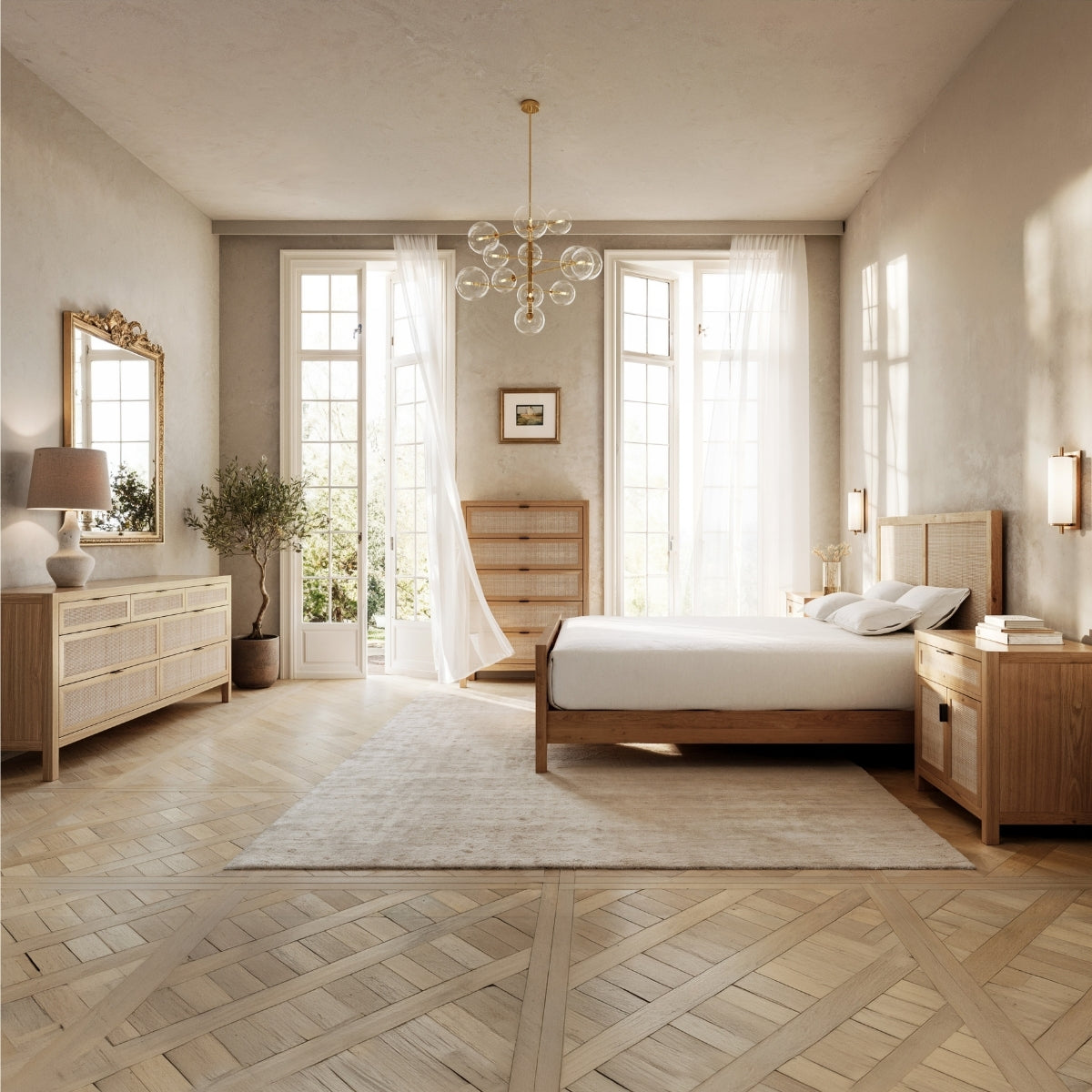
Room temperature also plays an obvious role in whether you sleep hot. According to the Sleep Foundation, most adults sleep comfortably in a room set to approximately 65-68°F.

As you prepare for sleep, your core body temperature naturally decreases, signaling that it is time to rest. A cooler bedroom can support this process and help prevent environmental overheating from interrupting your sleep.
Individual preferences vary, so think of this range as a starting point rather than a strict rule. The goal is a dark, cool, comfortable, and quiet environment that allows you to sleep without shivering or waking up overheated.
First Things First: Your Mattress
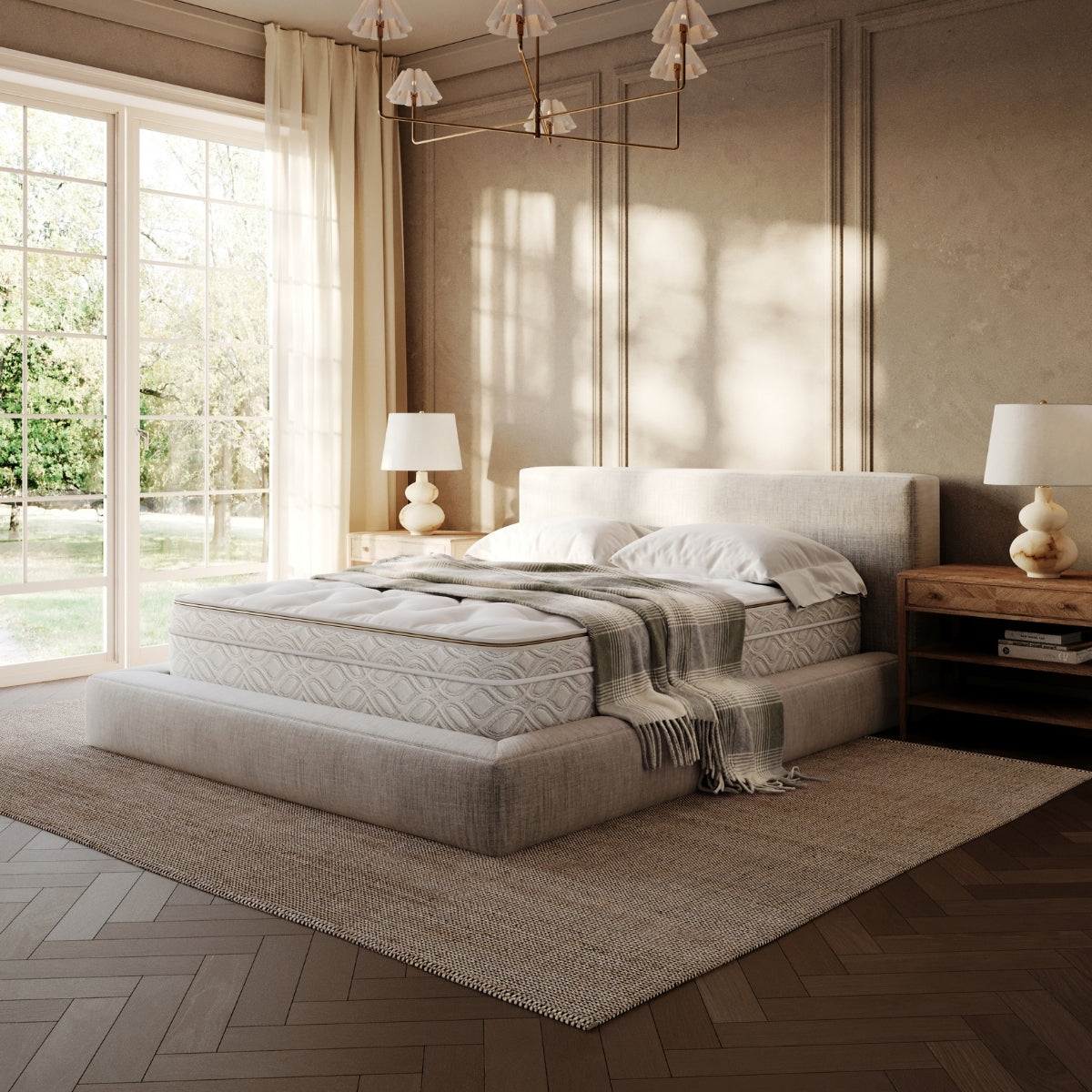
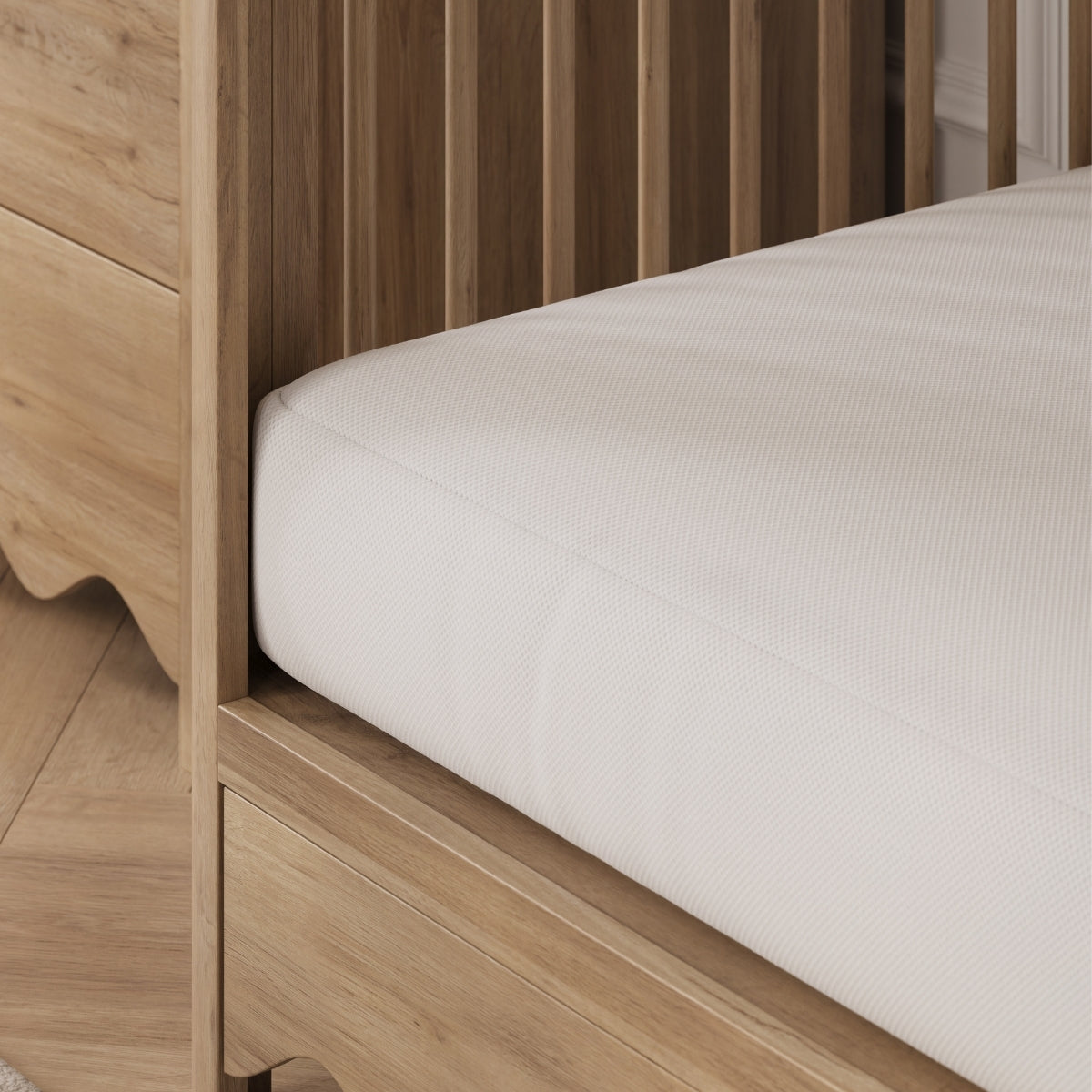
If you consistently sleep hot, one of the first things to evaluate is your sleep environment. Your mattress materials and construction can affect how easily heat and moisture move away from your body.
Dense polyurethane foams, including memory foam, can conform closely around the body and restrict airflow as the material compresses. Instead of relying on added gels or other materials marketed as “cooling,” consider a mattress designed with breathable fibers and an open construction that encourages air circulation.
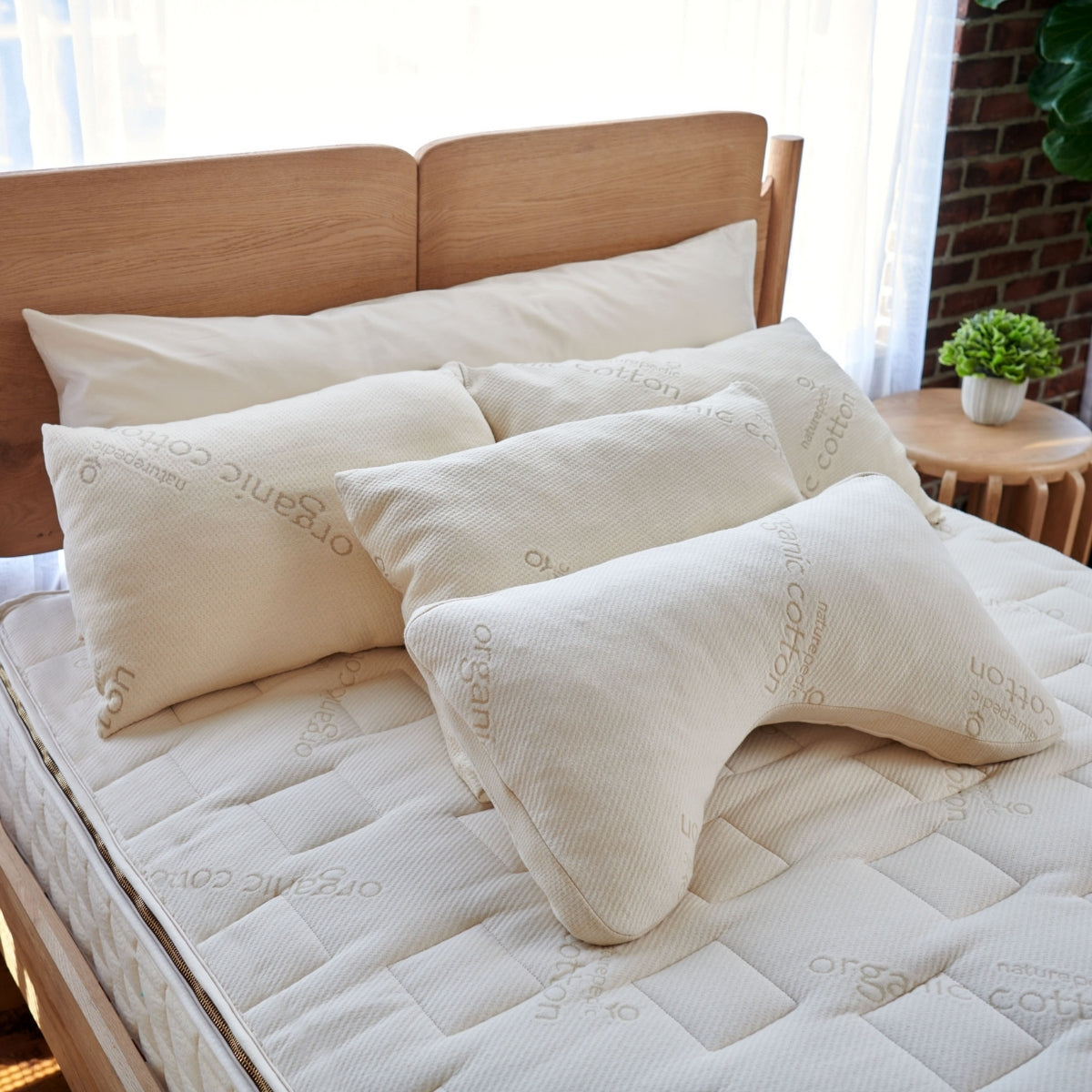
Naturepedic mattresses are made without polyurethane foam or added chemical flame retardants. Depending on the model, they feature materials and components such as breathable GOTS-certified organic cotton, moisture-managing GOTS-certified organic wool, perforated GOLS-certified organic latex, and encased steel coils that allow air to move through the mattress.
These materials cannot treat an underlying cause of night sweats, but a mattress designed for airflow and moisture management may help create a more comfortable sleep environment. Learn more about what hot sleepers should look for in a mattress.
Best Sheets for Hot Sleepers and Night Sweats
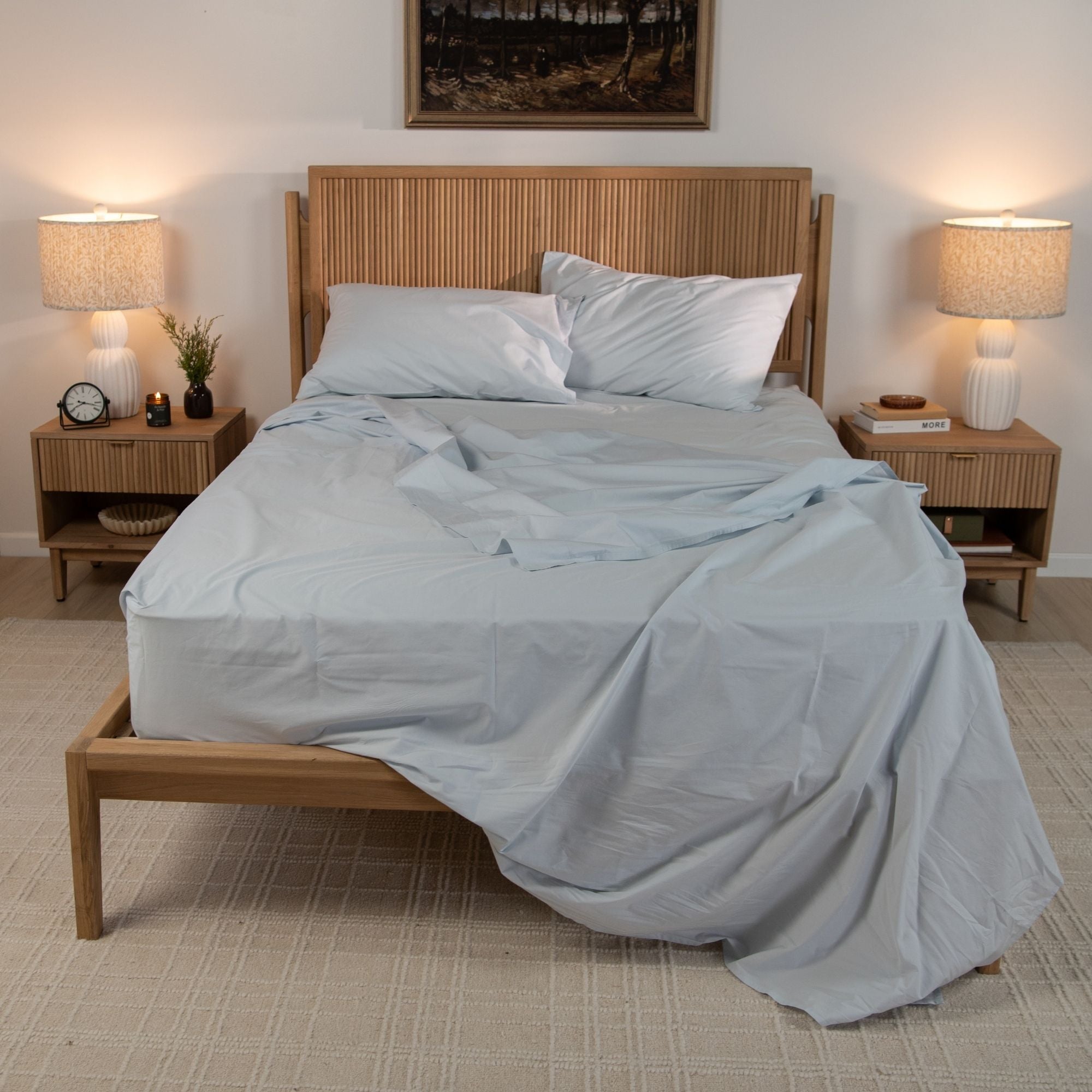
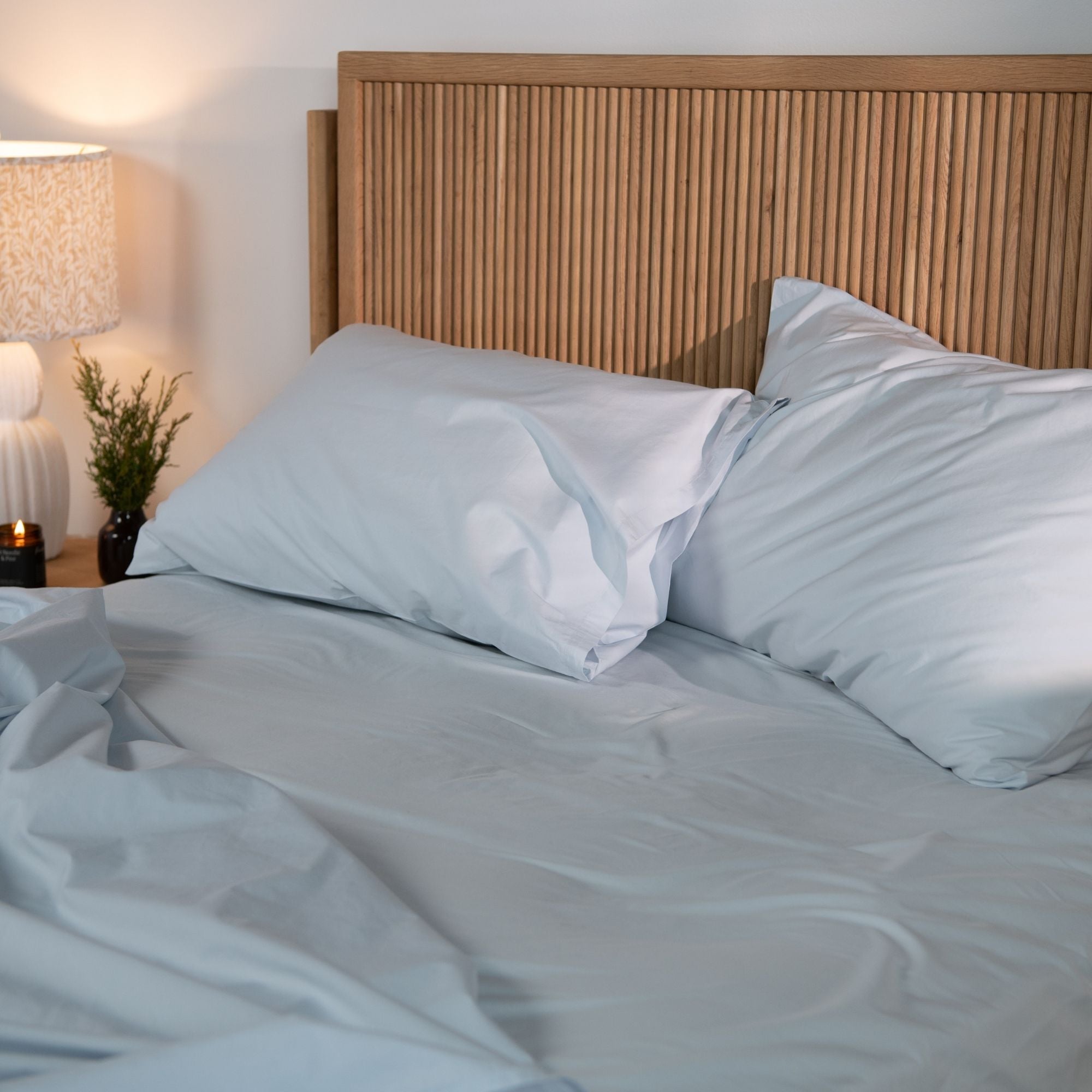
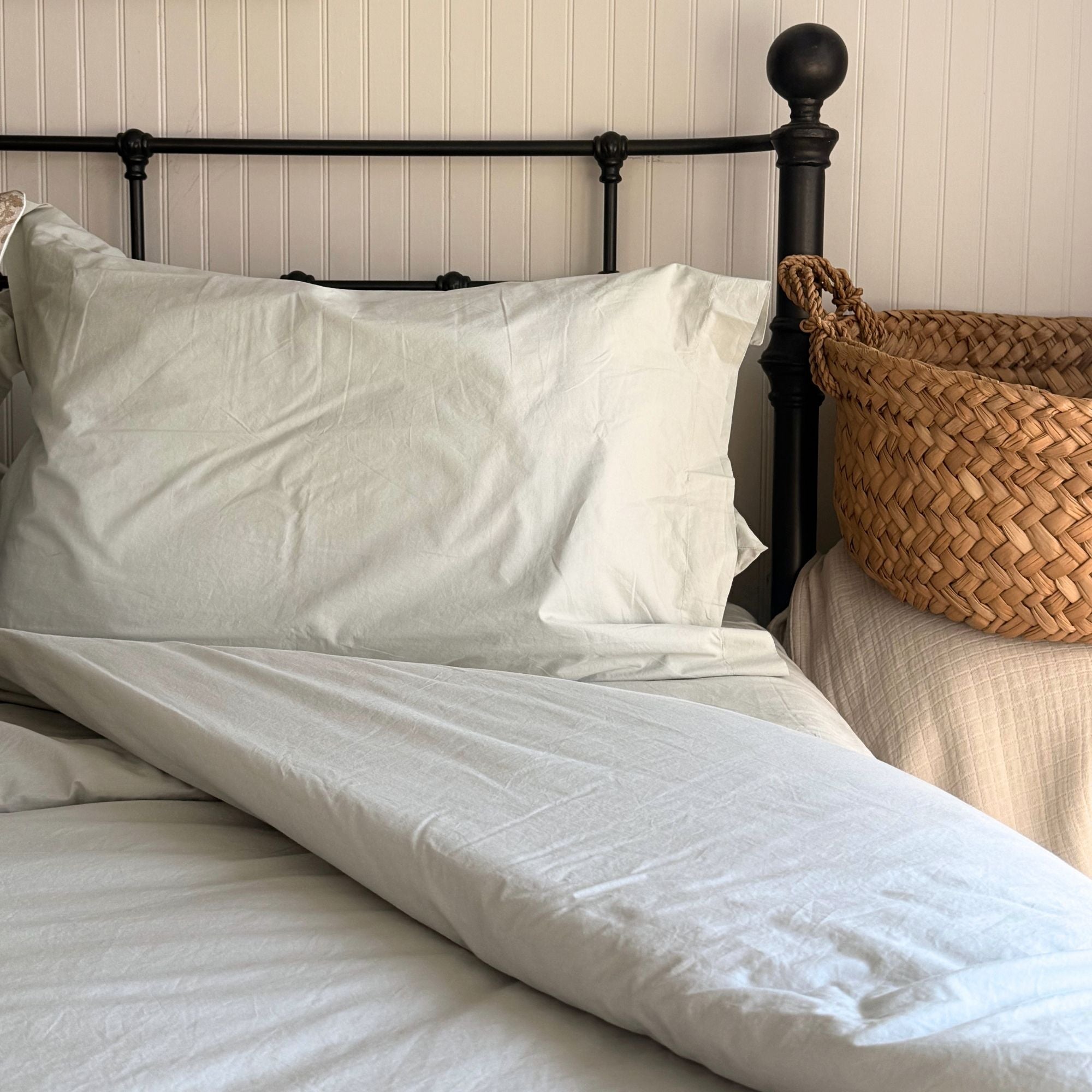
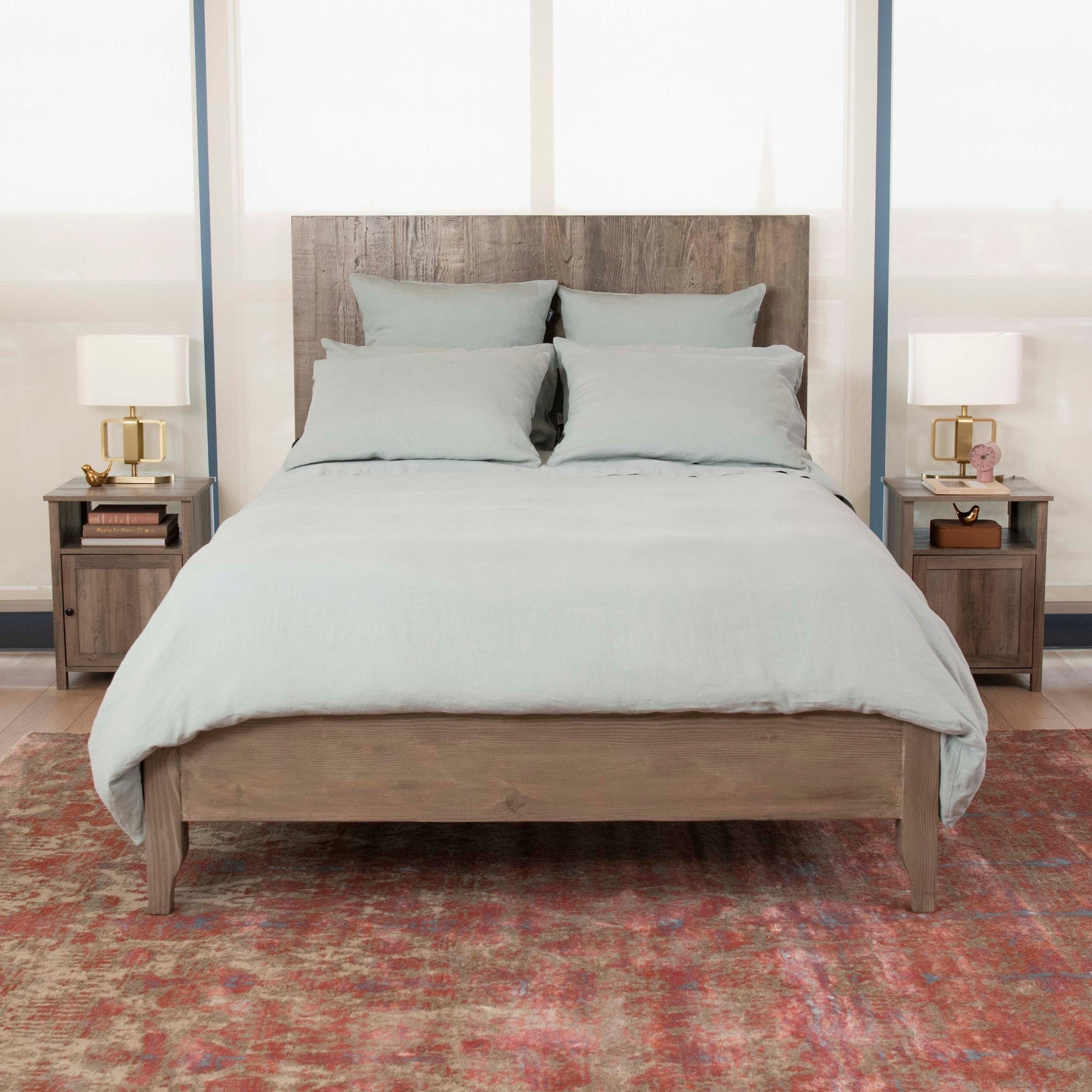
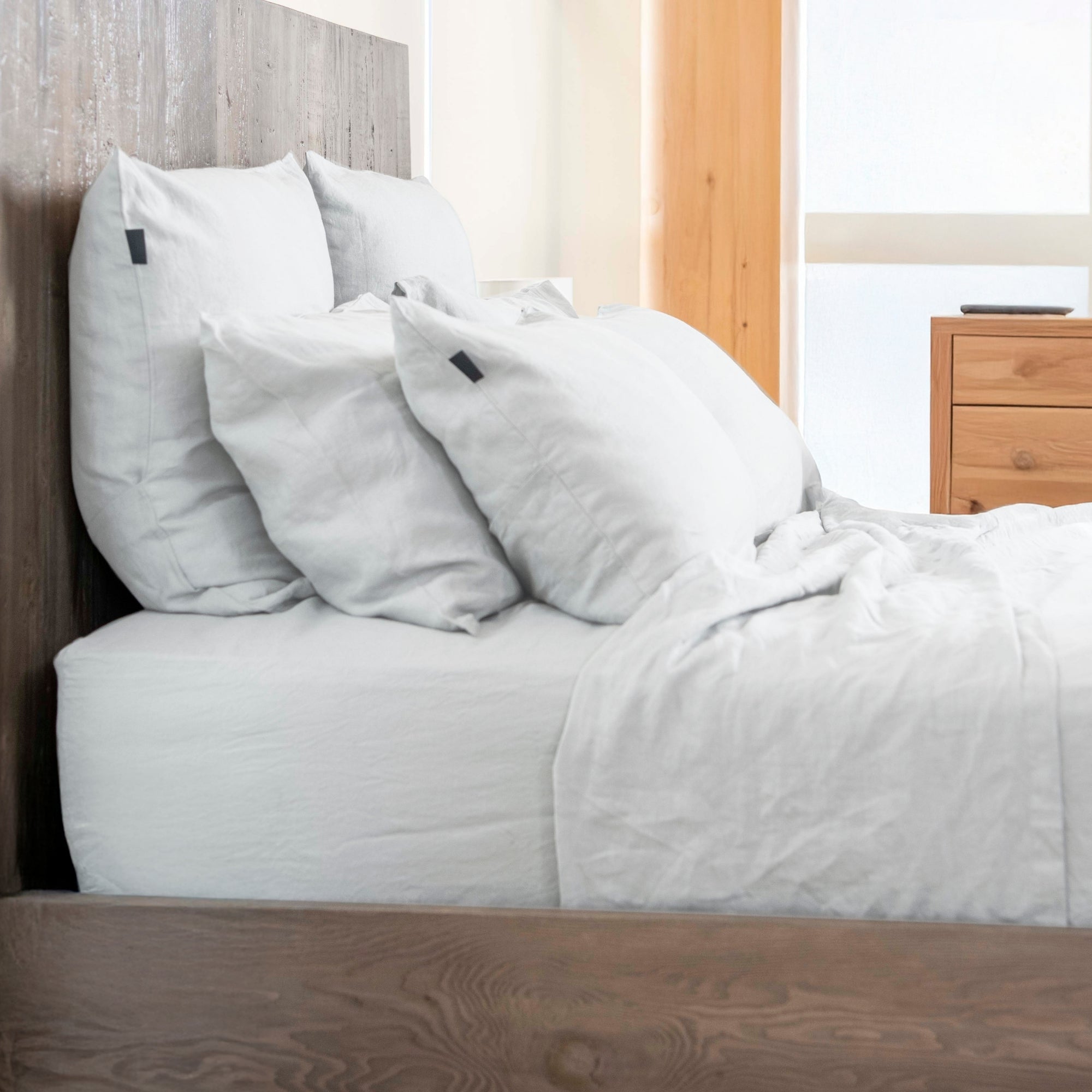
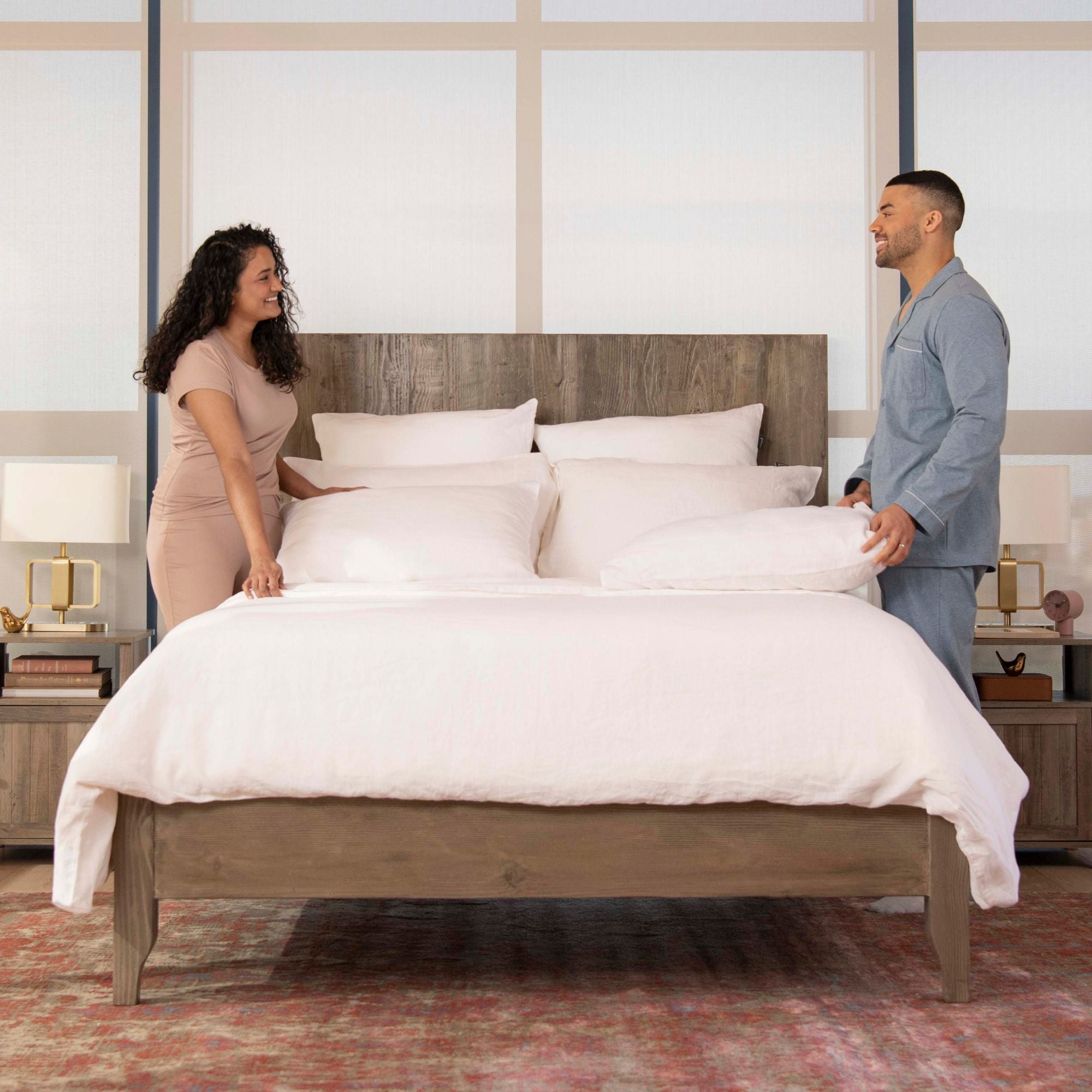
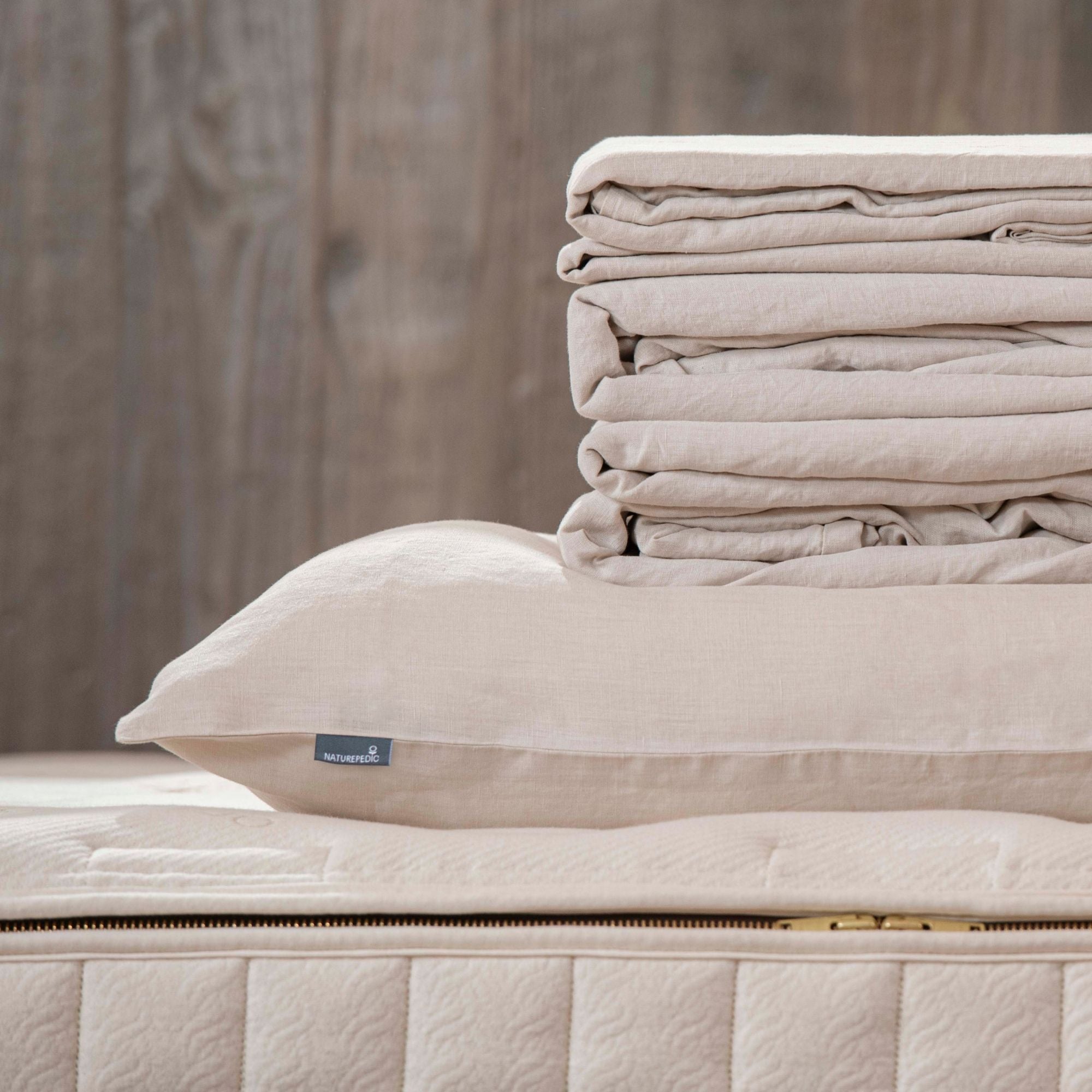
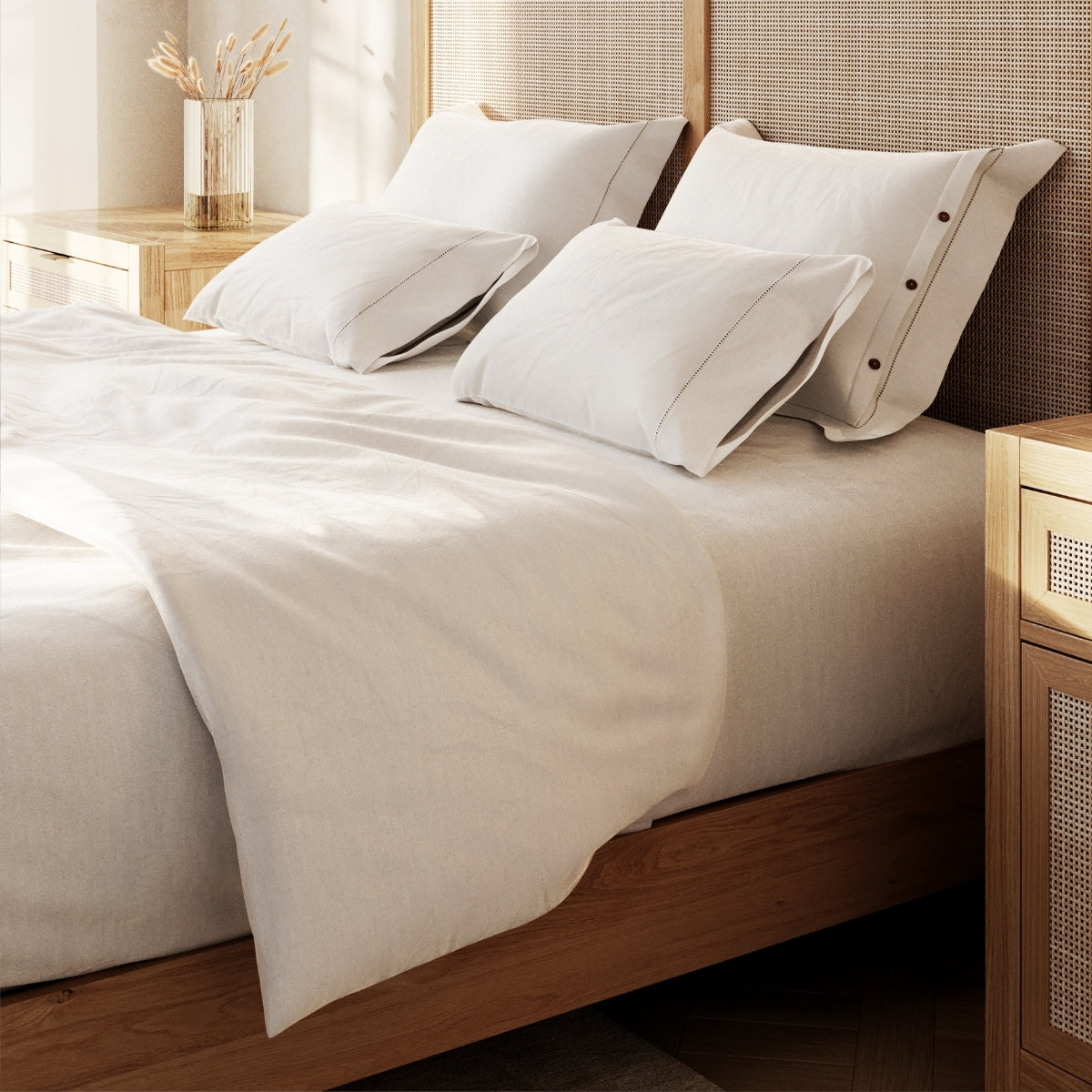
Your bedding matters, too. Hot sleepers may benefit from lightweight, breathable, and easy-to-wash fabrics such as cotton percale and linen. These materials can help air circulate around the body and make it easier to manage moisture during the night.
Made with soft, long-staple organic cotton, Naturepedic percale sheets use a classic one-over-one-under weave. Their 300-thread-count construction feels crisp, lightweight, and breathable, making percale a comfortable option for people who tend to sleep hot.
Linen can also absorb moisture and dry relatively quickly, helping bedding feel less damp or clammy. Its relaxed weave allows air to move through the fabric, making it especially comfortable during warmer weather.
Either fabric can work well for hot sleepers. If you experience night sweats, using lightweight, removable layers can also make it easier to adjust your bedding and wash individual pieces as needed.
6 Cooling Tips for Hot Sleepers
If you struggle with sleeping hot, the following strategies may help you manage heat and moisture more comfortably. However, environmental changes and breathable bedding cannot address an underlying medical cause of recurring night sweats.

Wear Lightweight Sleepwear
When it comes to sleepwear, material and fit can make a difference in how warm you feel throughout the night. Choose loose-fitting, lightweight pajamas made with breathable natural fibers such as cotton or linen. These fabrics allow air to circulate and can help manage moisture more comfortably than heavy or close-fitting synthetic sleepwear.
Maintain Airflow
Creating a cooler sleep environment involves more than adjusting the thermostat. A fan can help circulate air and prevent heat from building up around your bed. You may also consider opening a window when the outdoor temperature, air quality, noise level, and humidity make it practical.
Sleep for the Season
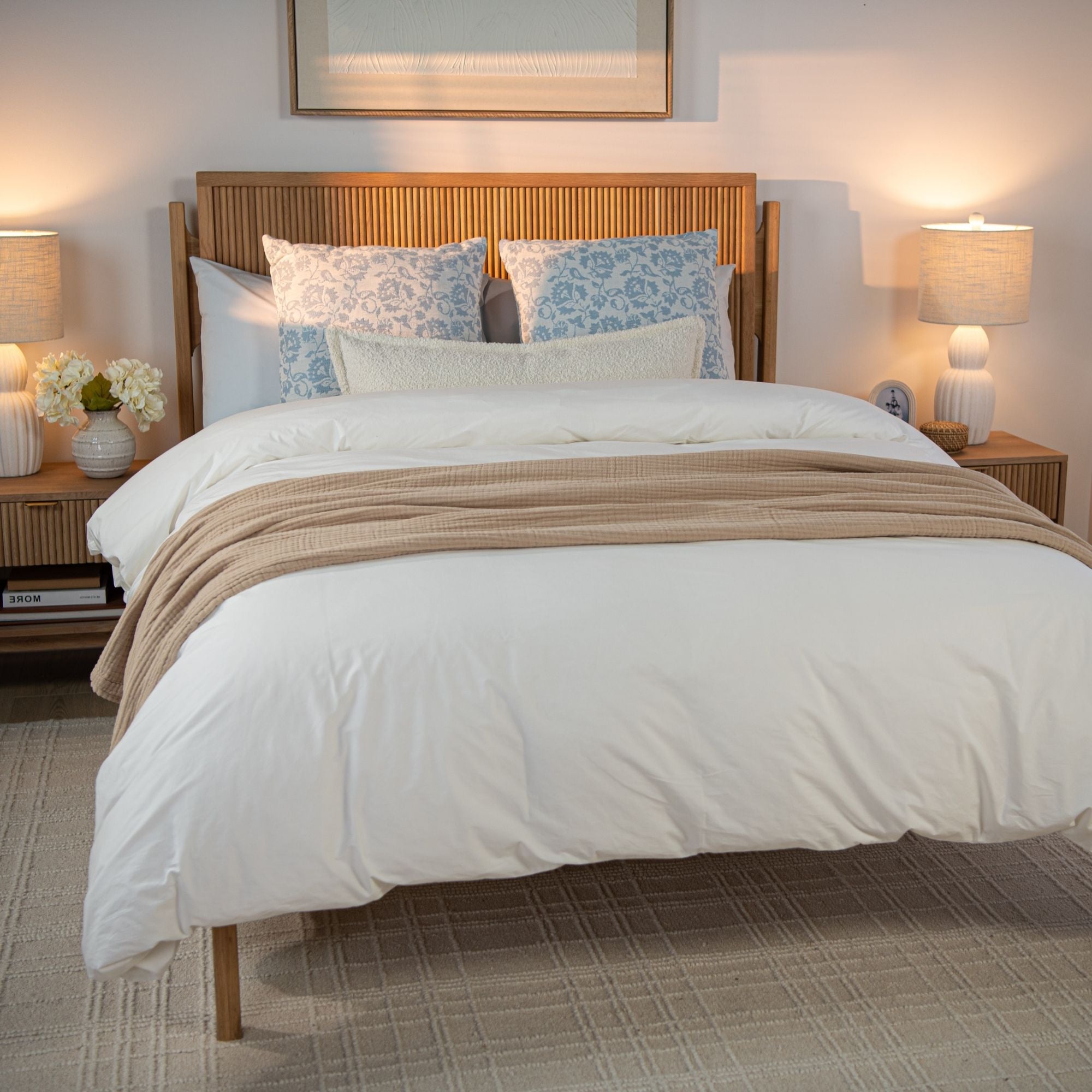
As the seasons change, so should your approach to bedding and sleepwear. Heavier blankets and warming materials may feel comfortable in winter, while lighter layers and breathable fabrics such as linen or cotton percale may be better suited to summer. Rotating your bedding and pajamas throughout the year can help you maintain a more comfortable sleep temperature.
Reduce Shared Body Heat
Sharing your bed with a partner, pet, or child can contribute to overheating because of the added body heat. Try using separate blankets or removing unnecessary layers first. If sharing a bed continues to disrupt your sleep, occasionally sleeping separately may help both people rest more comfortably.
Take a Warm Bath
Taking a warm bath or shower approximately one to two hours before bed may seem counterintuitive, but it can help support the body’s natural cooling process.

Warm water increases blood flow near the skin, allowing heat to dissipate as you get out of the bath and prepare for sleep.
Stay Hydrated
Staying hydrated throughout the day supports the body’s temperature-regulation processes. Keep water nearby in case you wake up hot or thirsty, but avoid drinking excessive amounts immediately before bed if nighttime bathroom trips tend to interrupt your sleep.
If you tend to sleep hot, small changes to your room, sleepwear, bedding, and bedtime routine may help you rest more comfortably. But if those changes do not help — or you regularly wake up with soaked pajamas or bedding despite sleeping in a cool room — talk with a healthcare provider about what may be causing your symptoms.
Have feedback on our story? Contact us to let us know what you think, or visit our About Us page to learn more!