

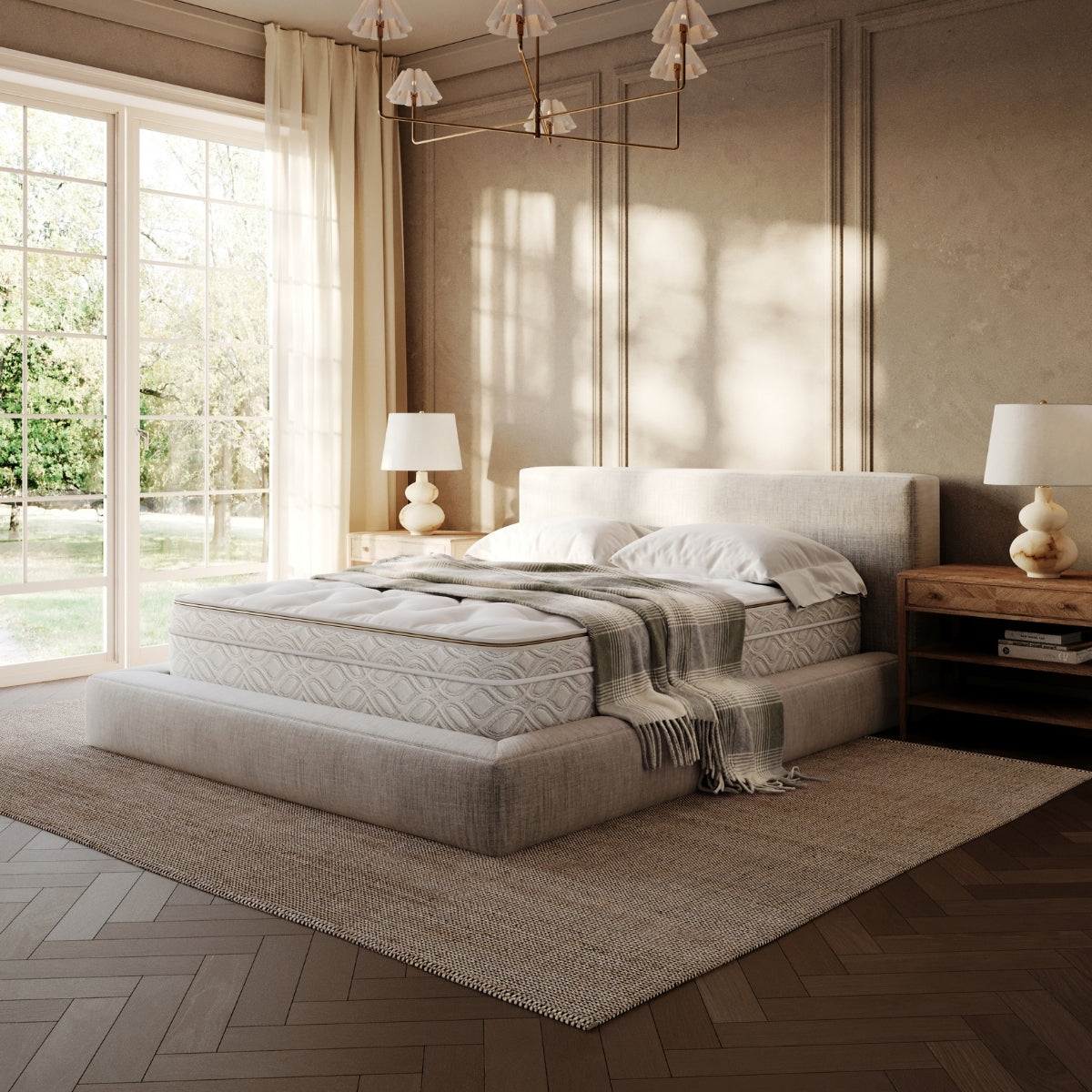
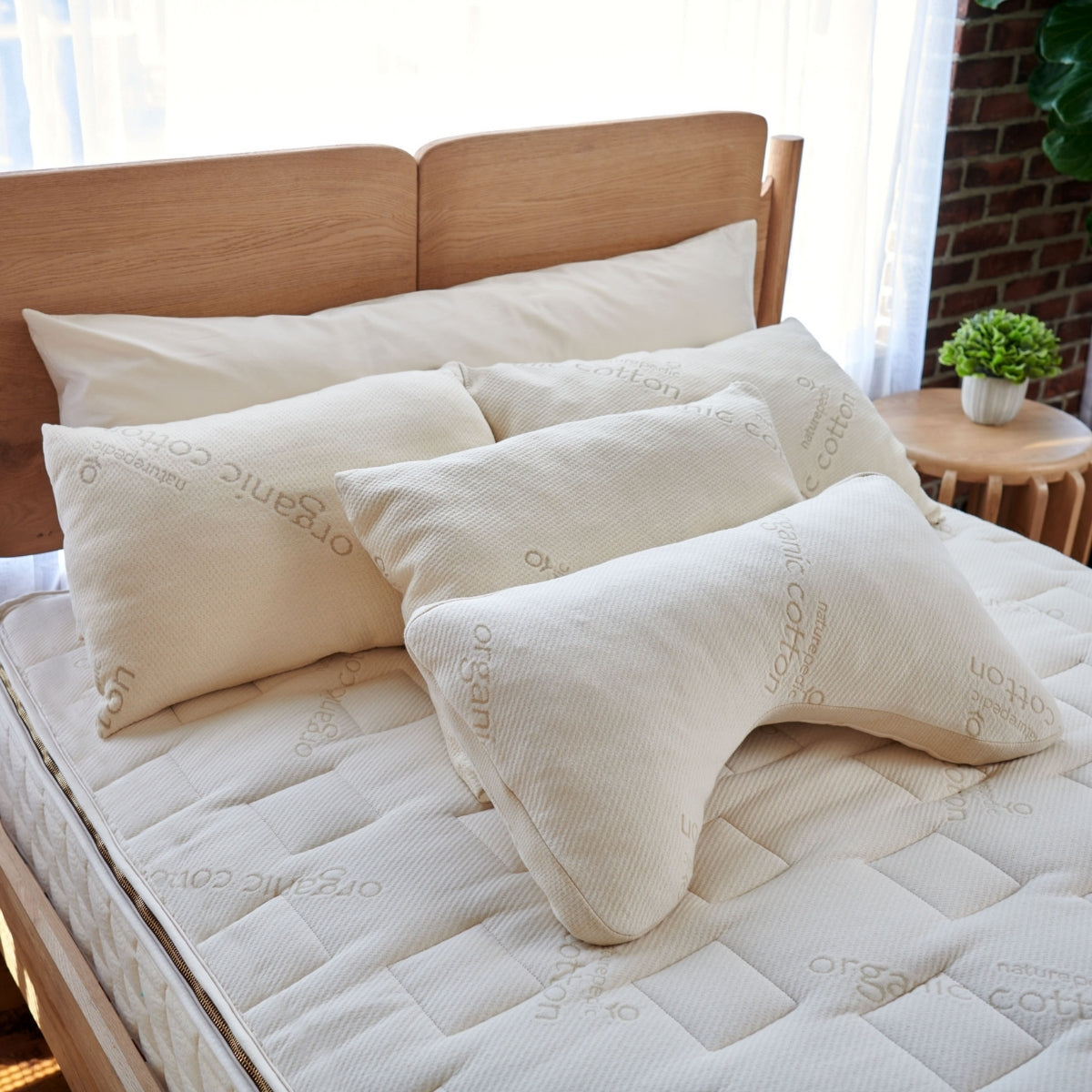
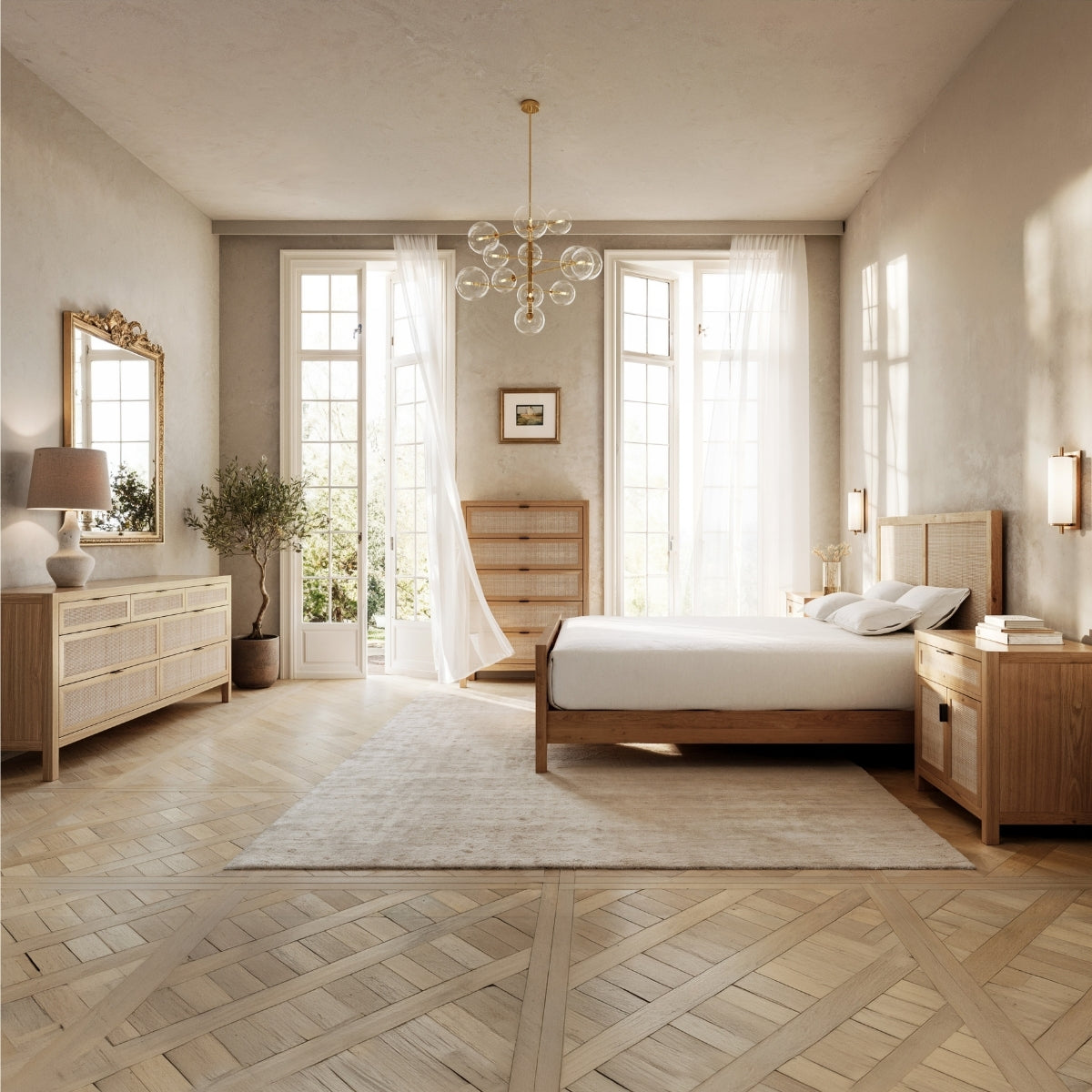
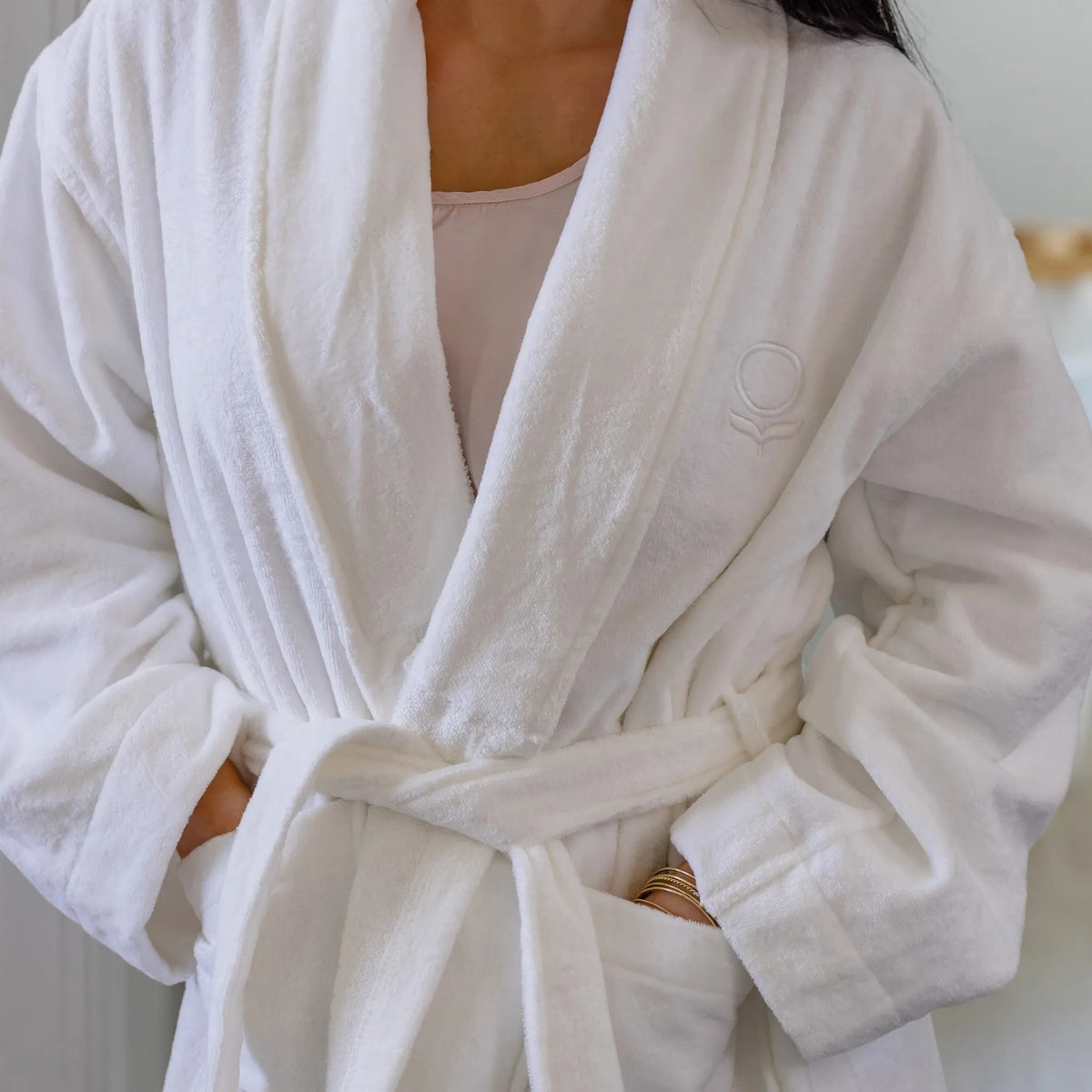
Comfort is only the starting point. We select materials for what they're made of and how they're made, prioritizing safer sourcing, regenerative agriculture, and natural fibers over synthetics wherever we can.

Sustainability


Healthier Materials From Farm to Bed
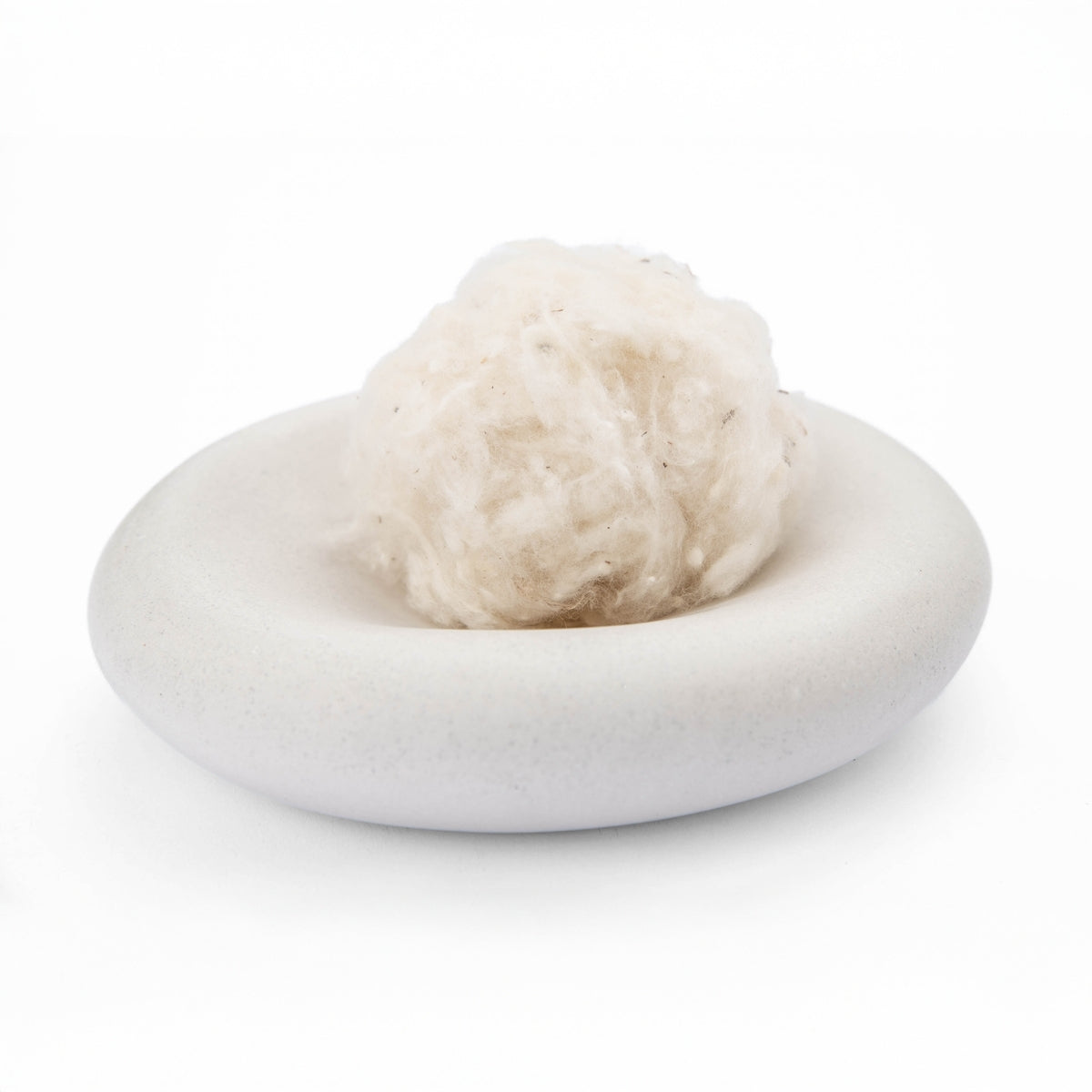
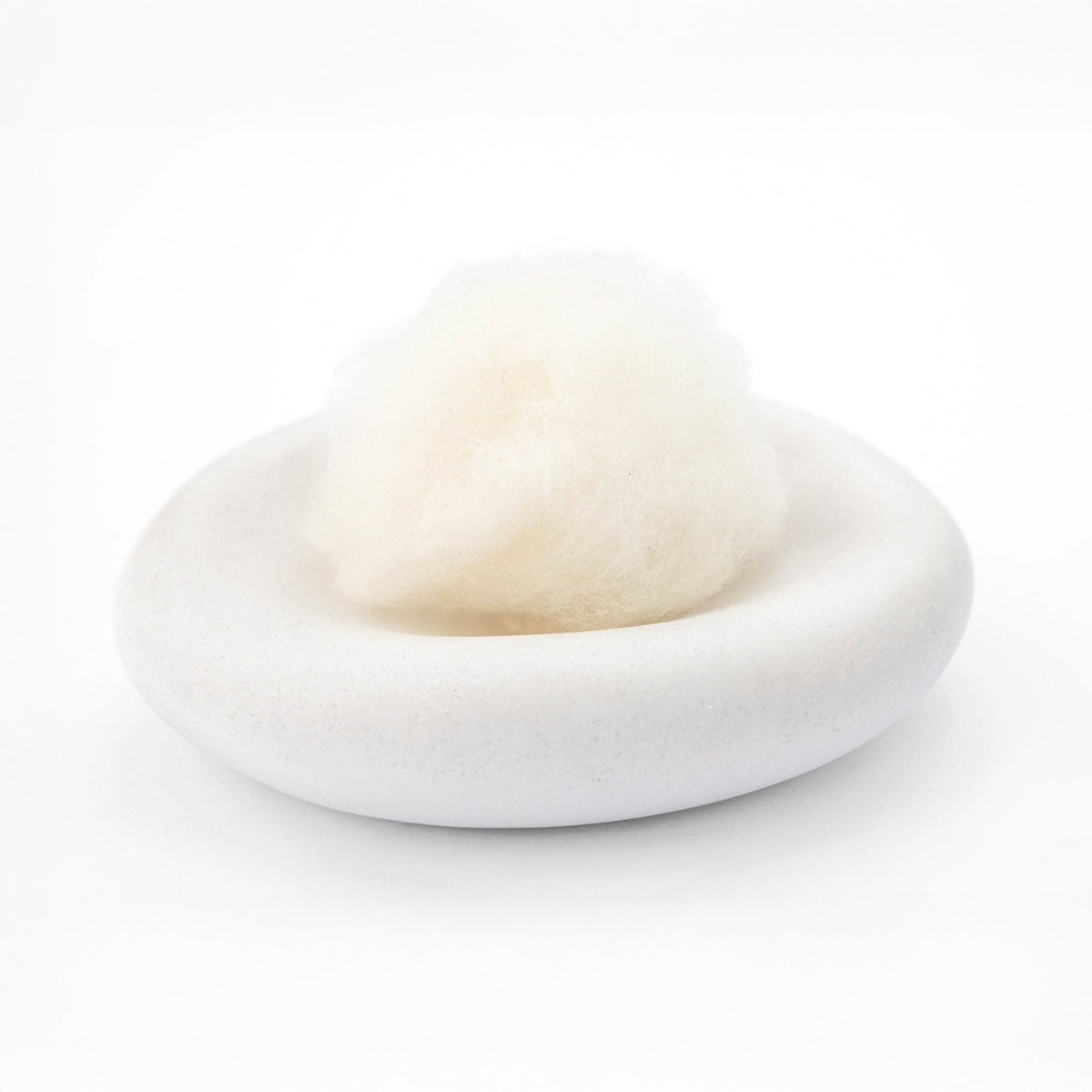
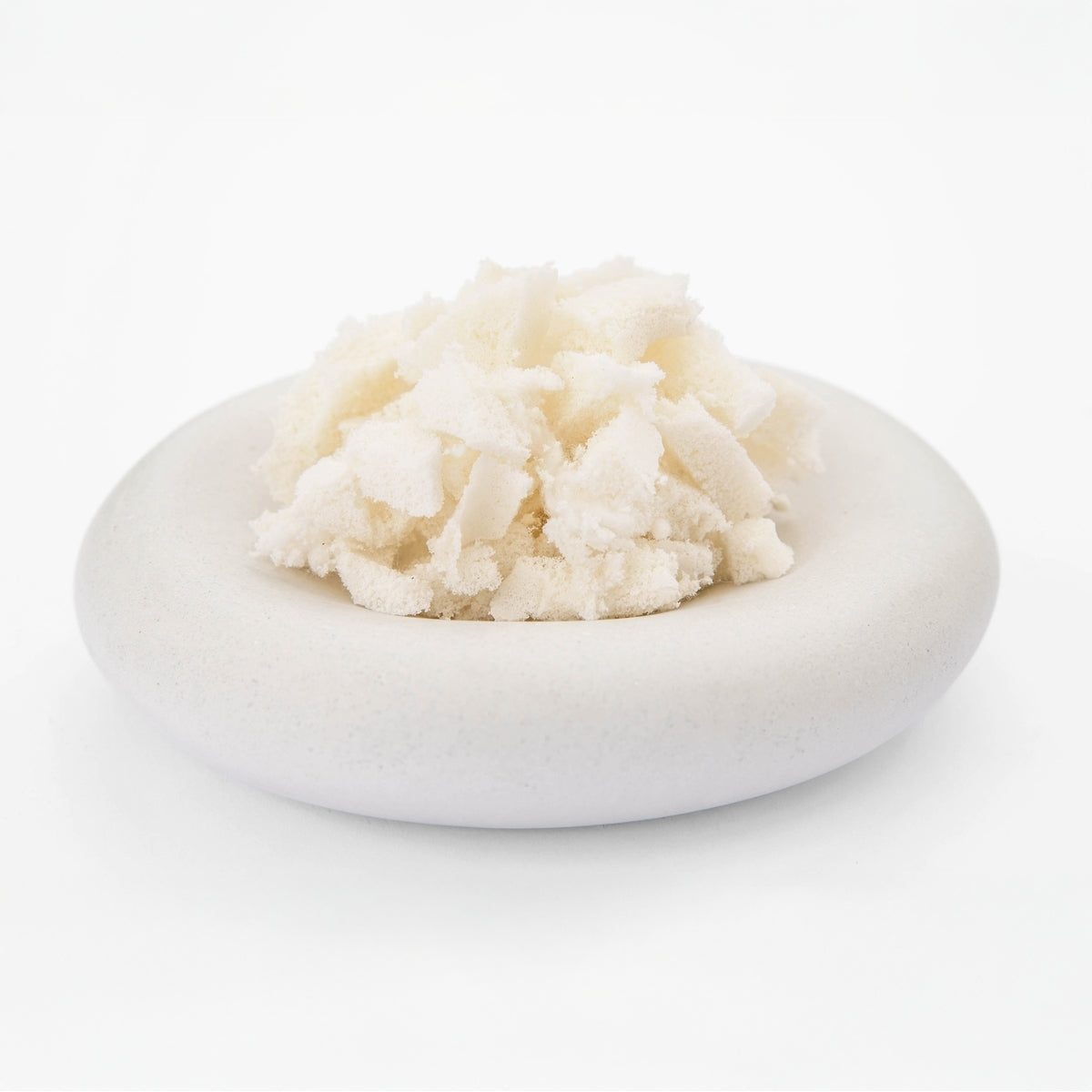
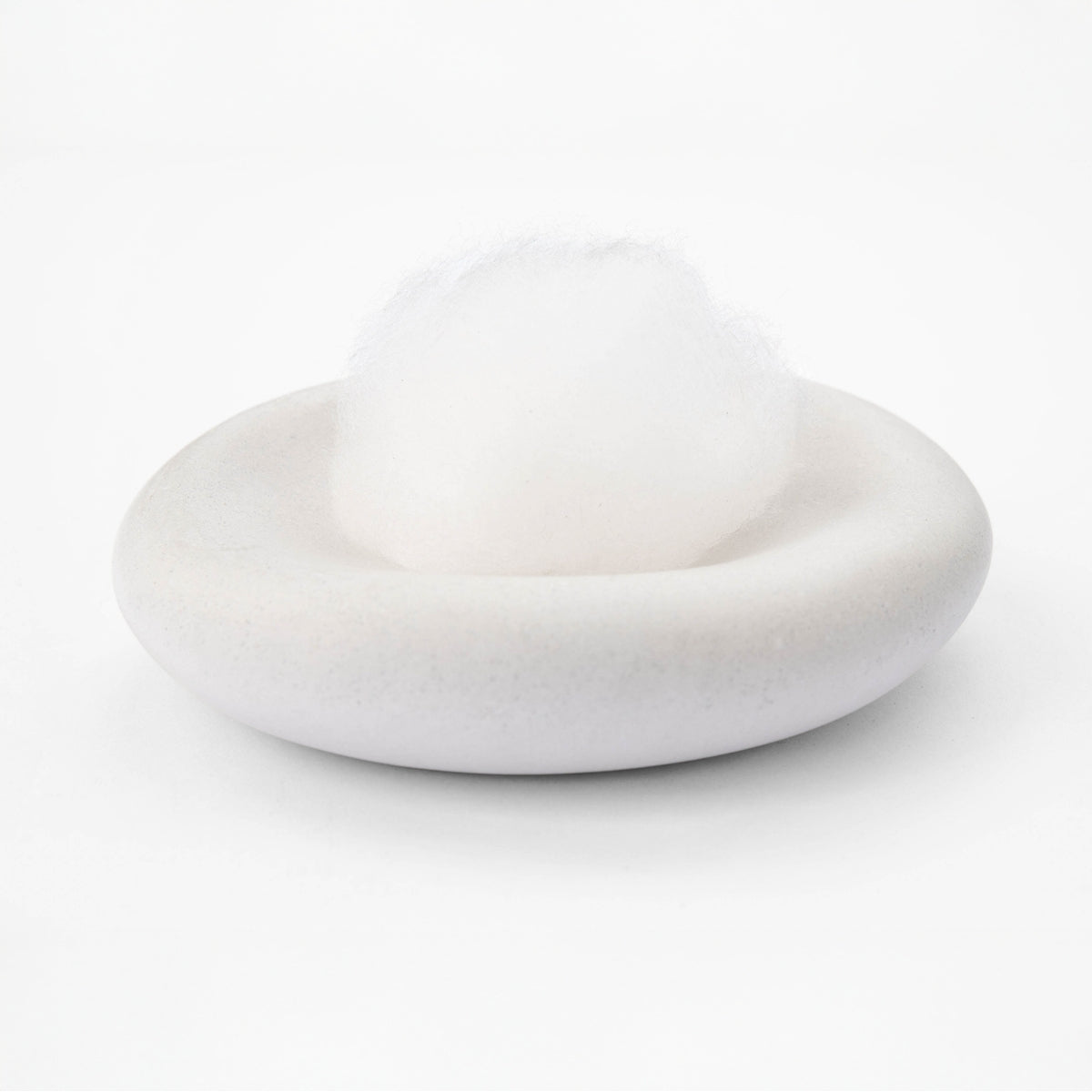
Sourcing Starts at the Farm
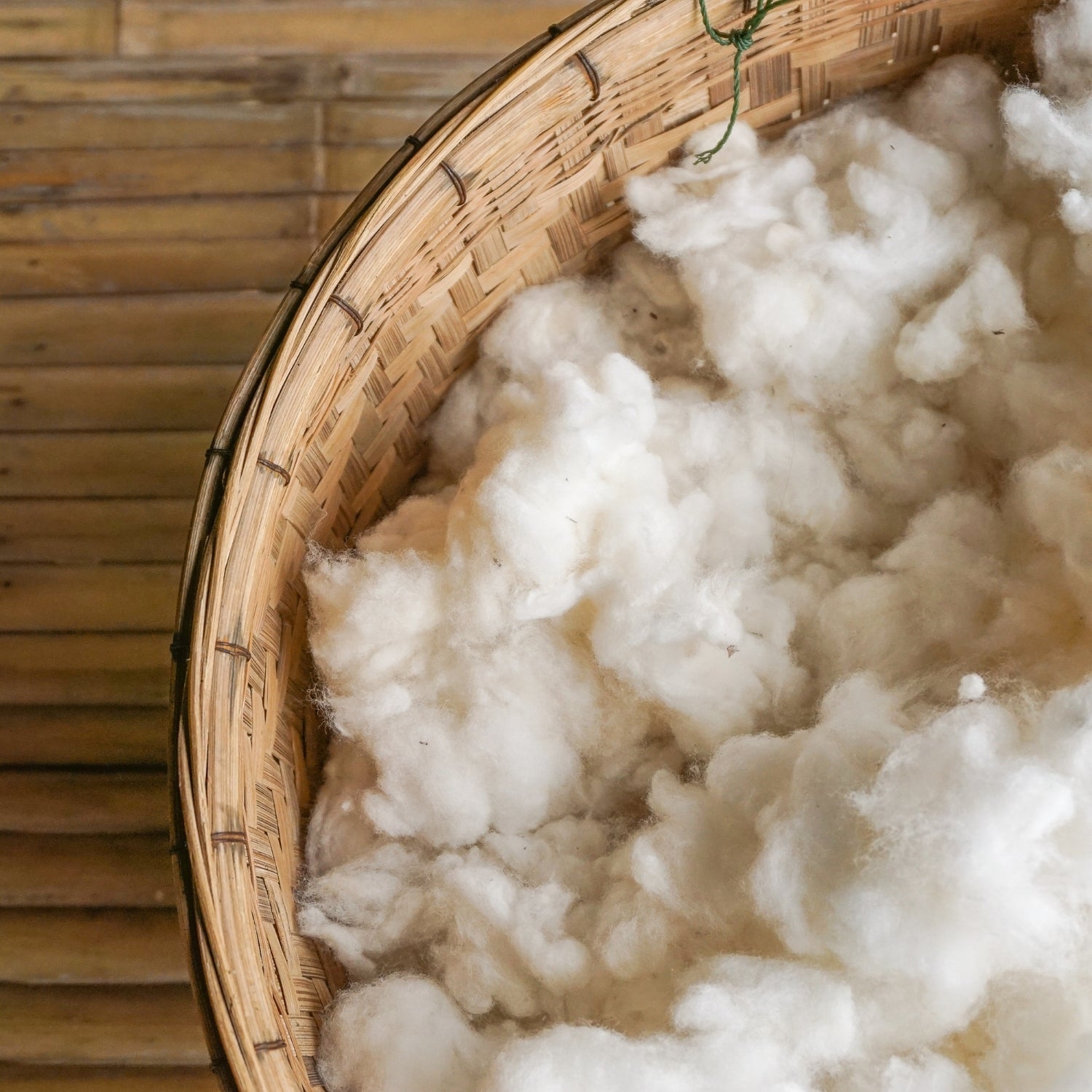
“Farm to bed” means looking at where our materials come from before they become a mattress. For Naturepedic, that starts with certified organic cotton fill grown by farmers we personally know and trust, farmers who follow strict standards for soil health, water protection, and avoiding harmful pesticides and synthetic fertilizers.
What We Don’t Use Matters Too
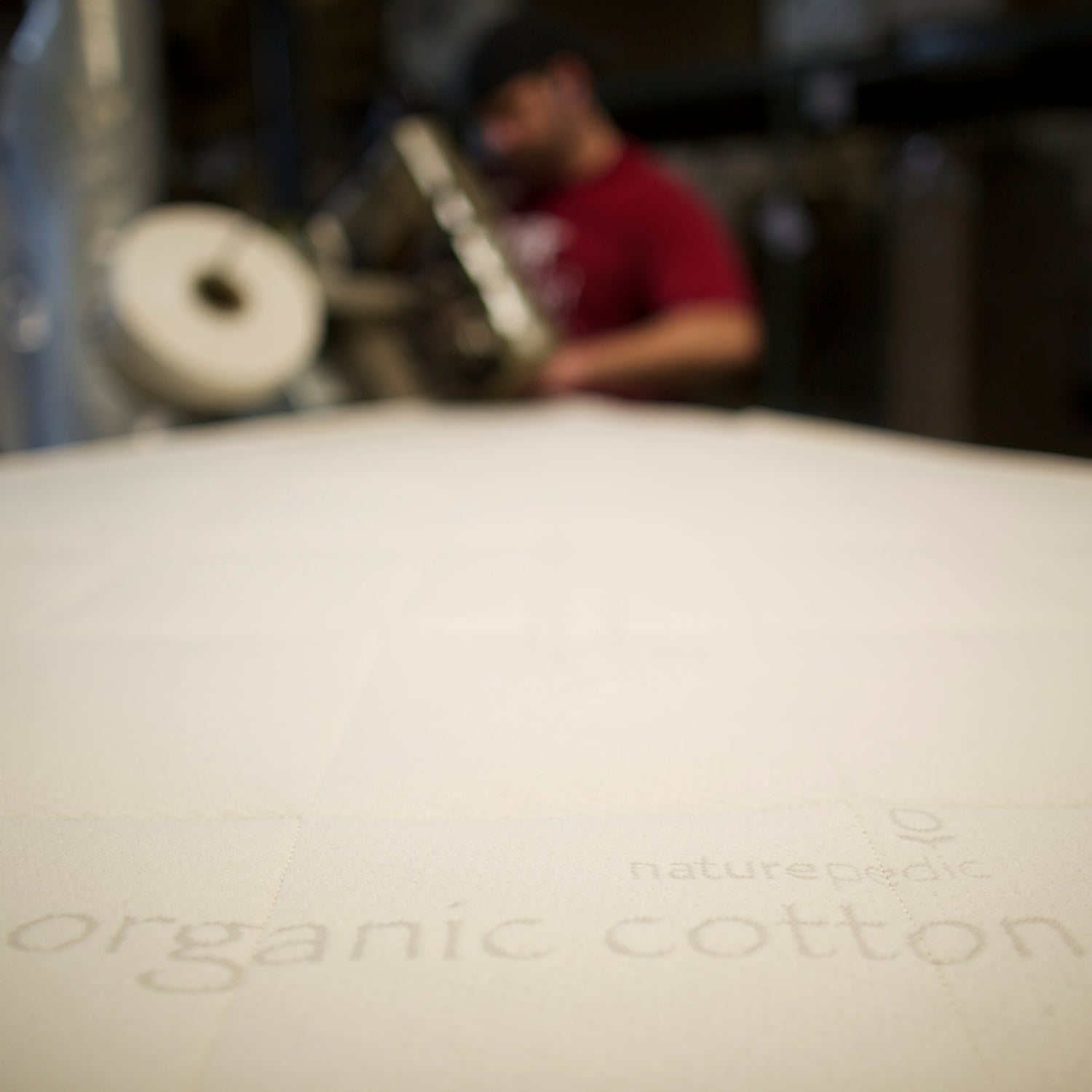
Materials like chemical flame retardants, fiberglass, vinyl, phthalates, formaldehyde, and PFAS can create concerns for indoor air quality, manufacturing, disposal, and the environment. By designing mattresses without them, Naturepedic reduces unnecessary material burden and builds around cleaner, certified materials instead.


What makes Naturepedic materials more sustainable?
Naturepedic prioritizes certified organic, responsibly sourced, and lower impact materials, including organic cotton, wool, and latex, while avoiding materials such as polyurethane foam, chemical flame retardants, and fiberglass.
Reducing Waste at Every Step
We treat waste as a design problem to solve, not a cost of doing business. From the materials we choose to the way we pack and ship, we look for every chance to reuse, recycle, and cut what we send to landfill.
Polyethylene
Recycled and recyclable, so our crib mattress cores keep working instead of becoming trash.
Latex
Offcuts and trim from production are collected and reused, keeping usable latex out of the landfill.
Cotton Scraps
Leftovers are donated rather than discarded, giving clean scraps a second life.
Steel Coils
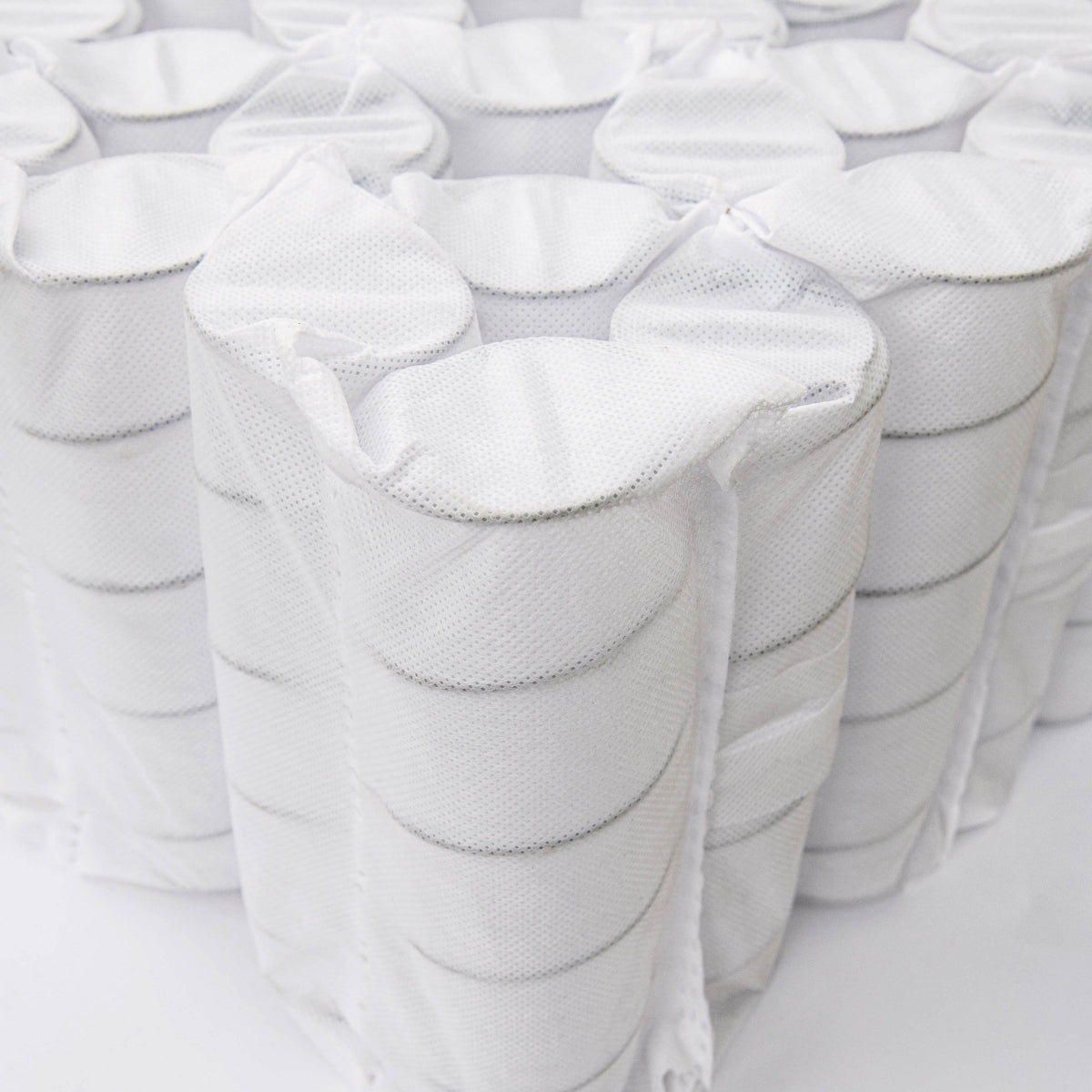
Made from recycled U.S. steel and produced in-house, cutting transport and excess.
Smarter Packaging Design
Our Kraft paper roll-packing system uses FSC®-certified paper instead of plastic for mattresses and comfort layers, significantly cutting back on plastic packaging across our operations. We also use cardboard with high recycled content and work with local printing partners to further reduce the impact of getting our products safely from our factory to your home.
Striving for Zero Waste by 2027
Naturepedic is working toward a goal of zero waste by 2027. In our factory, that means finding better ways to use, reuse, and divert materials like organic cotton scraps, latex remnants, packaging materials, and recycled U.S. steel. We’re not zero waste yet, but the goal is clear: send less to landfills, make better use of every material, and keep improving how our mattresses are made.
How does Naturepedic reduce waste?
Naturepedic reduces waste through recycled polyethylene crib mattress cores, Kraft paper roll packing, reuse of latex scraps, donation of cotton scraps, and in-house steel coil production using recycled U.S. steel. The company is working toward a zero-waste goal by 2027.
Environmental Advocacy for a Healthier Planet
Healthier sleep and a healthier planet go hand in hand, so we put our voice and our dollars behind environmental causes. We give back through 1% for the Planet®, push for safer chemical standards, and partner with organizations working to protect people and the places we share.

Proudly 1% for the Planet®
Through our 1% for the Planet® membership, Naturepedic helps fund more than 50 environmental organizations working to protect people, ecosystems, and the future we share. This commitment turns every Naturepedic mattress into support for broader environmental action, from healthier materials and cleaner communities to conservation and climate-focused work.

Fighting for Stronger Regulations
Our founder, Barry Cik, a board-certified environmental engineer, has testified before Congress in support of reforming the Toxic Substances Control Act, calling for greater chemical transparency, toxicity testing, and safer alternatives in consumer products. Naturepedic was also part of the Companies for Safer Chemicals Coalition, alongside brands like Seventh Generation, Patagonia, and others, urging Congress to pass stronger chemical safety reform.


What environmental causes does Naturepedic support?
Naturepedic supports environmental causes through 1% for the Planet®, such as maintaining America's wildlands, cleaning our oceans, planting trees, advocating for legislation that removes harmful chemicals from products, assisting natural disaster relief efforts, and more.
Partnerships with environmental organizations and efforts to advance stronger chemical safety laws are a key tenet of Naturepedic’s commitment to sustainability.
Designing for What Comes Next
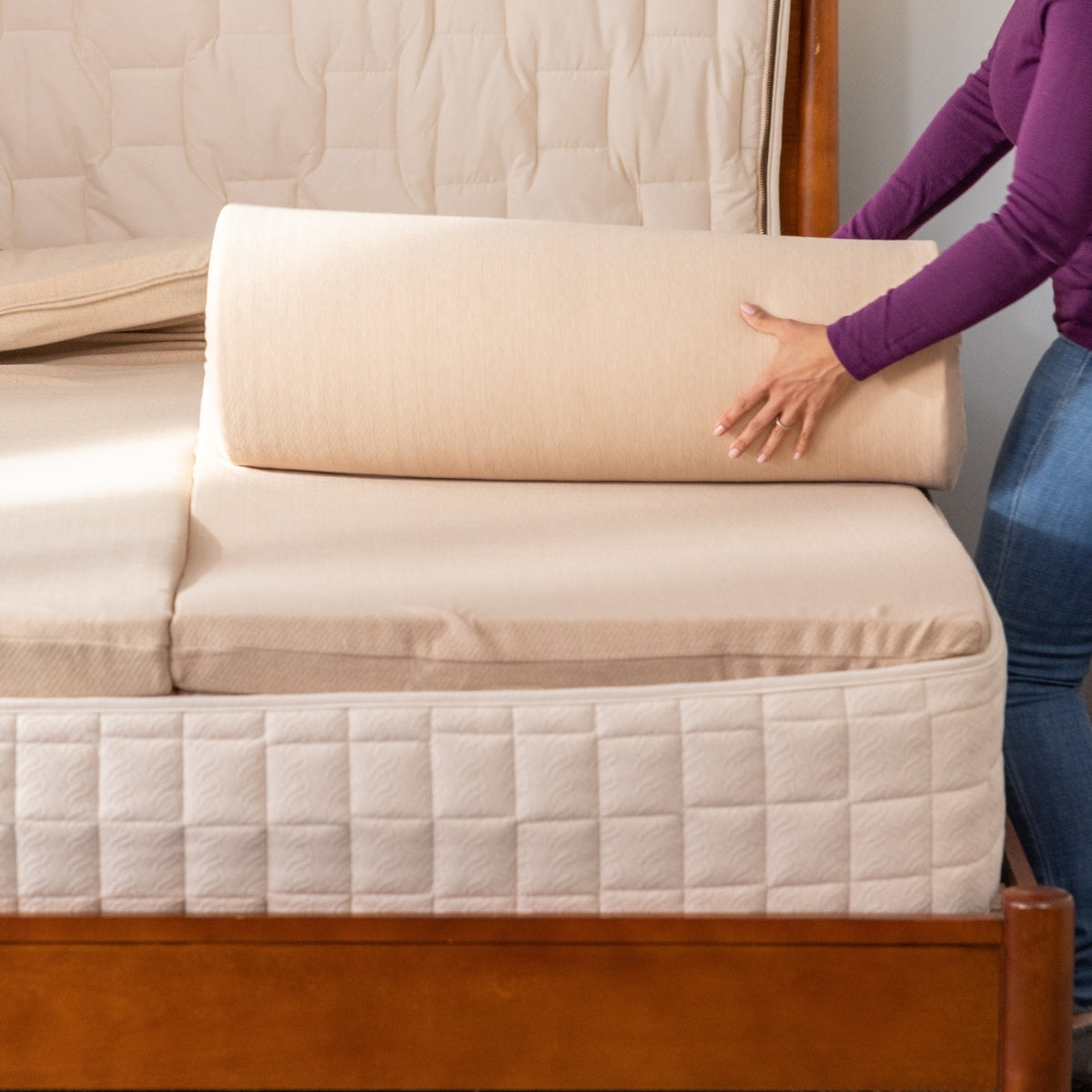
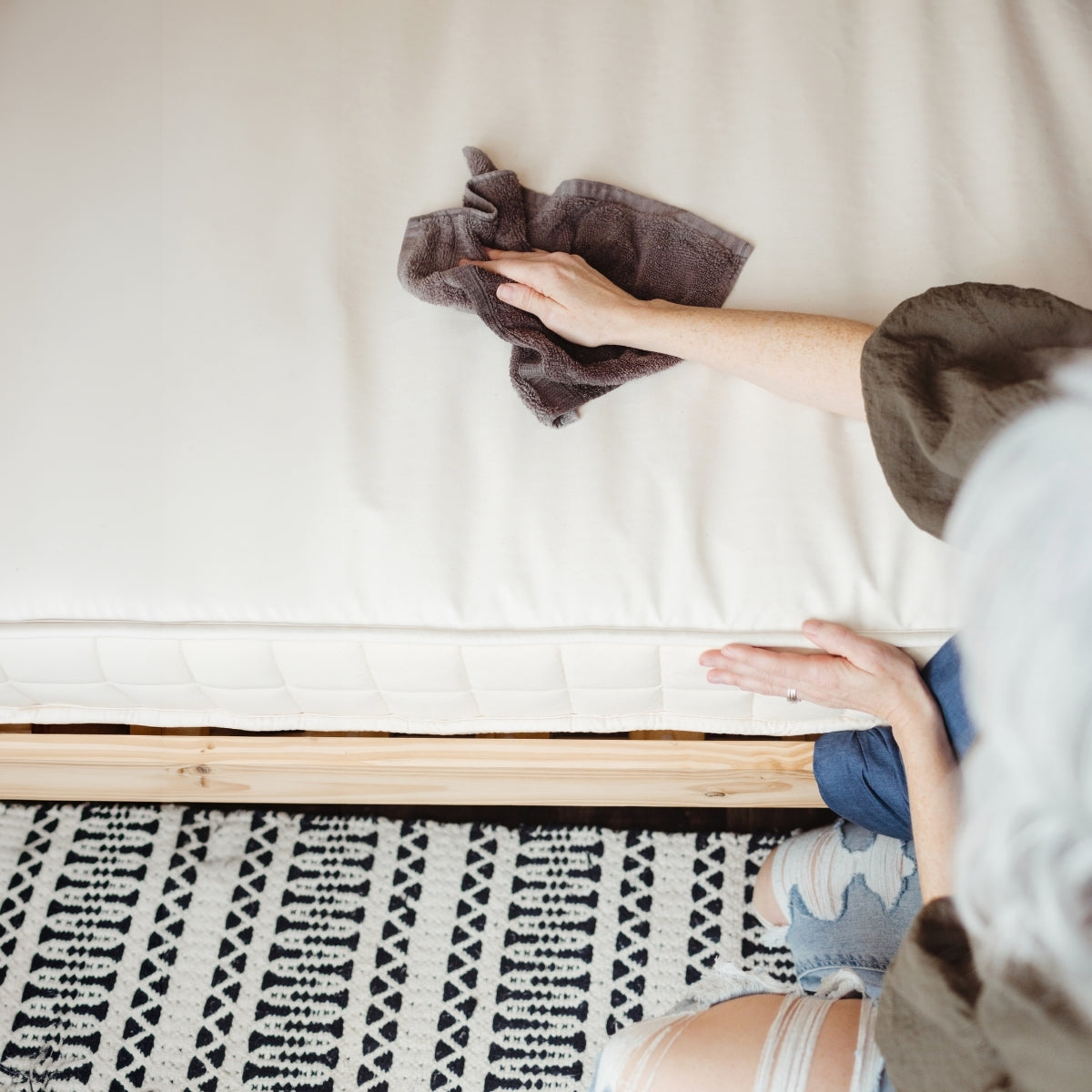
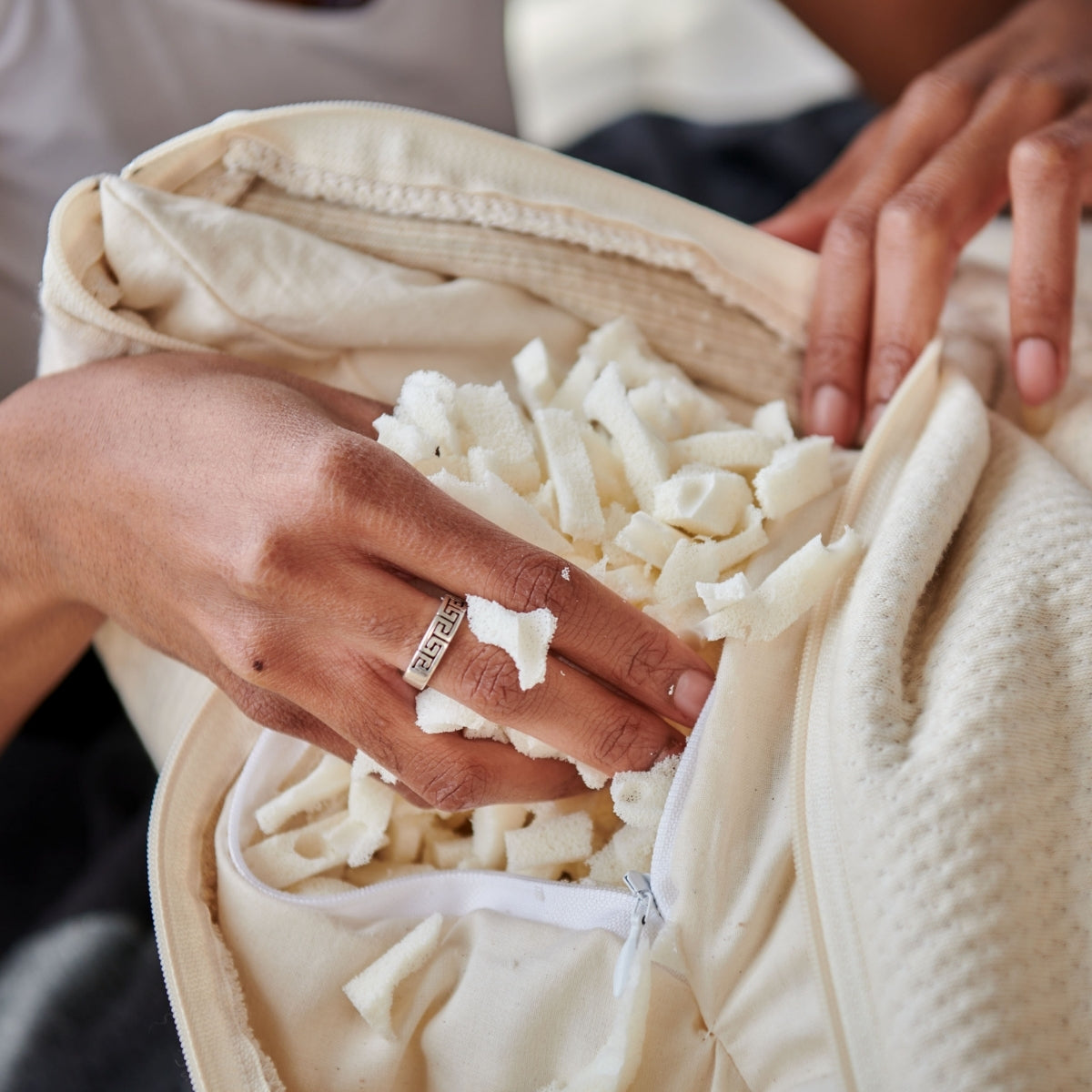
We design products to last and to adapt, because the most sustainable mattress is the one you never have to throw away. That matters: more than 50,000 mattresses are discarded in the U.S. every day. Our beds are built to grow and change with you, so they stay in your home longer and out of the landfill.
Tracking Progress Through Our Impact Report
We publish a Sustainability Report to put our progress on the record. It lays out where we stand on materials, waste, and giving, names the goals we are working toward, and holds us accountable for reaching them.
Sustainability Isn’t a Fixed Goal.It’s a Way of Moving Forward.
No brand can simply declare itself sustainable and call the work complete. Sustainability is ongoing, complex, and never fully finished. At Naturepedic, we believe true progress comes from a willingness to keep improving, and that’s what drives us — not because we want to be “the world’s most sustainable brand,” but because it’s our responsibility. All of us.
Sustainability FAQs
Naturepedic mattresses are more sustainable than conventional alternatives because they are made with responsibly sourced organic and healthier materials, manufactured in a way that reduces waste, and designed with long-term durability to keep them out of landfills. Instead of relying on polyurethane foam, chemical flame retardants, and other questionable, polluting materials, Naturepedic uses certified organic cotton, wool, and latex, recycled steel coils, and accessory materials like plant-based PLA.
Yes, Naturepedic finished mattresses are certified organic to the Global Organic Textile Standard, or GOTS, the leading textile processing standard for organic fibers. Naturepedic also uses certified organic materials like GOTS-certified organic cotton and wool, as well as GOLS-certified organic latex in mattress models that contain latex. Even our factory is GOTS certified organic.
No, Naturepedic mattresses are made without polyurethane foam and without chemical flame retardants. Instead, Naturepedic uses thoughtfully chosen materials and smart mattress design to meet strict safety and performance standards without adding flame retardant chemicals, fiberglass, vinyl, phthalates, or formaldehyde.
Naturepedic reduces waste through better materials, smarter packaging, and more efficient manufacturing practices. The company uses recycled U.S. steel for coils, repurposes latex and cotton scraps where possible, and introduced a Kraft paper roll-packing system that significantly reduces plastic packaging. Naturepedic also designs mattresses, like the EOS collection, with replaceable comfort layers to help extend product life and reduce unnecessary mattress waste.
Naturepedic gives back through environmental advocacy, nonprofit partnerships, and membership in 1% for the Planet®. The company supports organizations working to protect people and the environment, while also advocating for stronger policies around safer materials, chemical transparency, and sustainability.