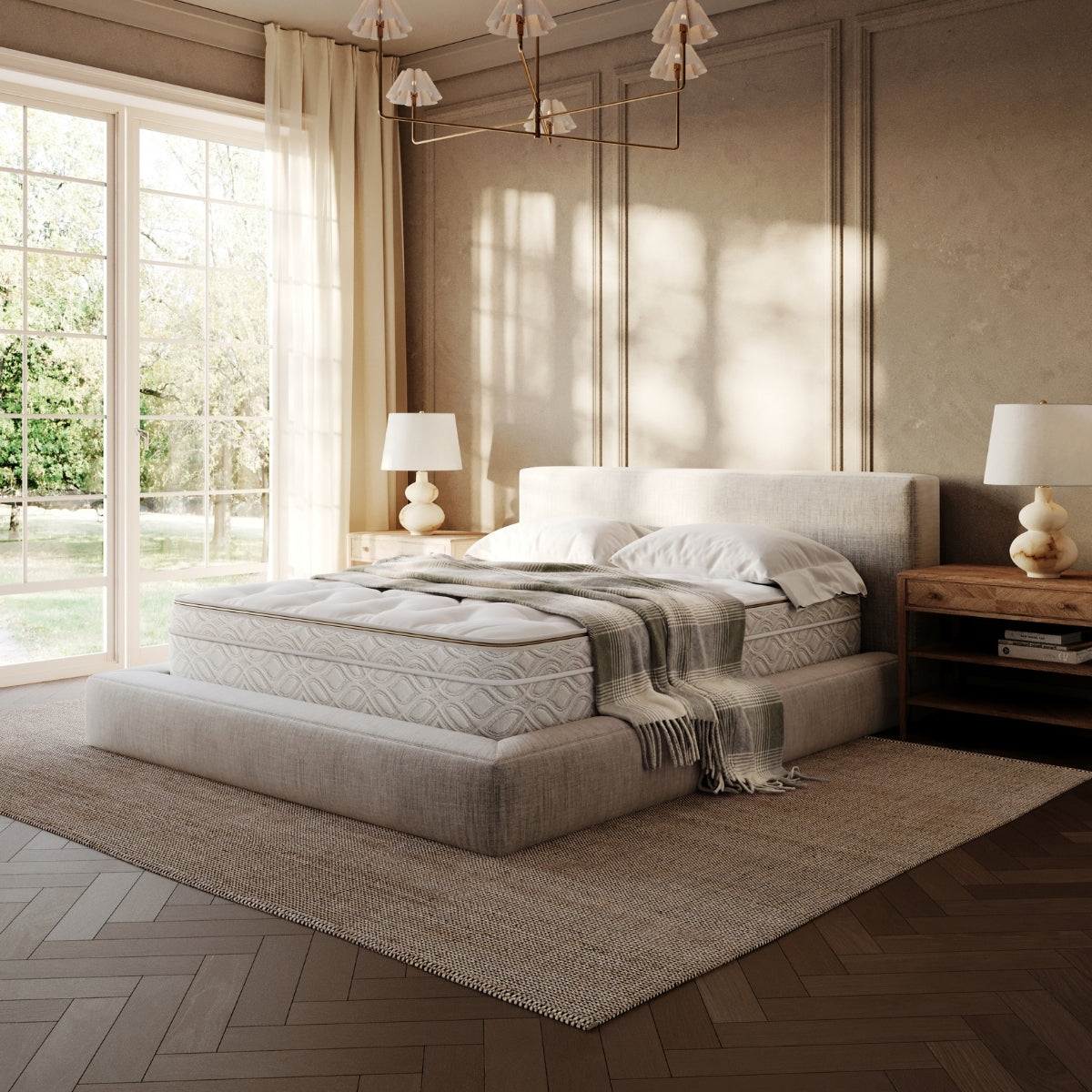
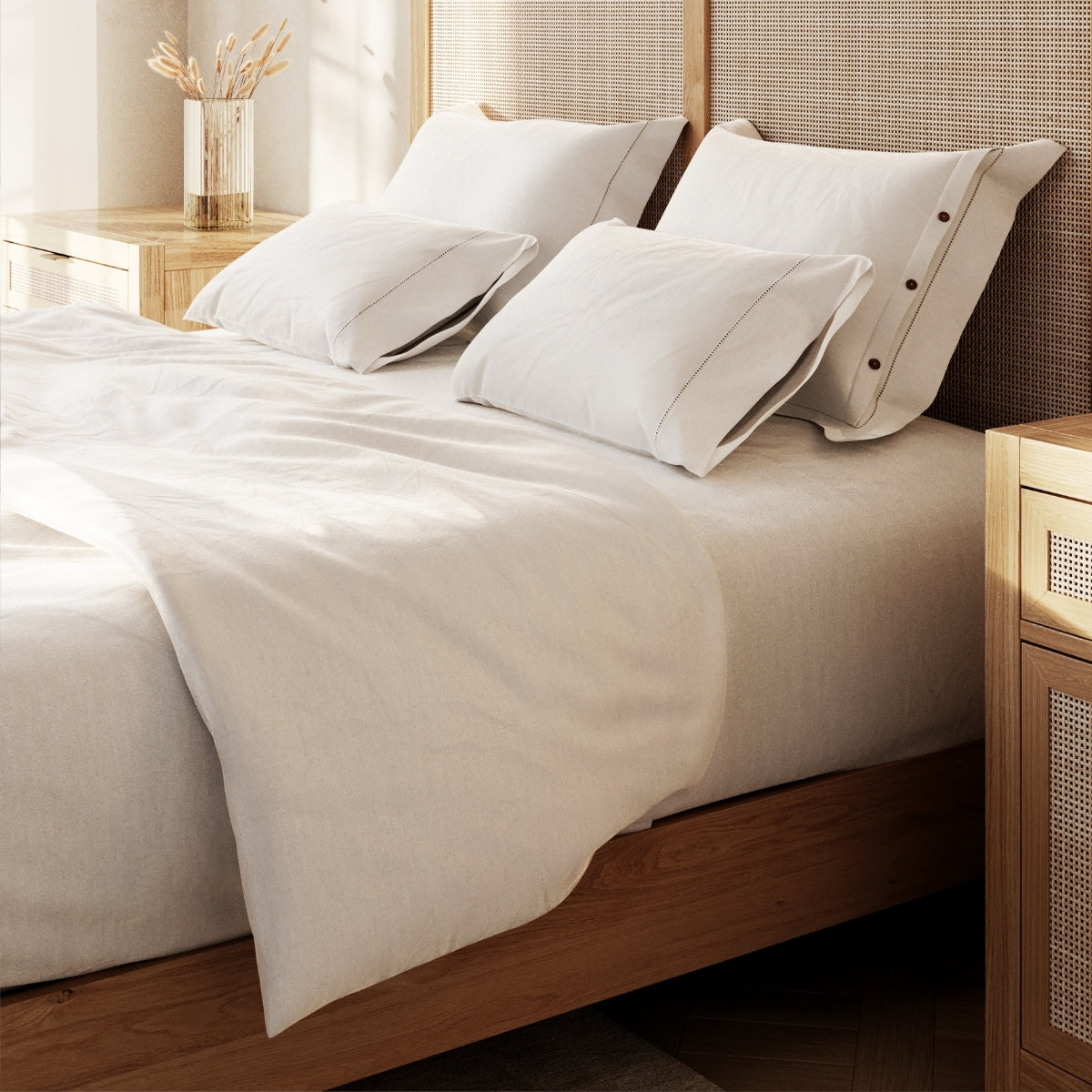
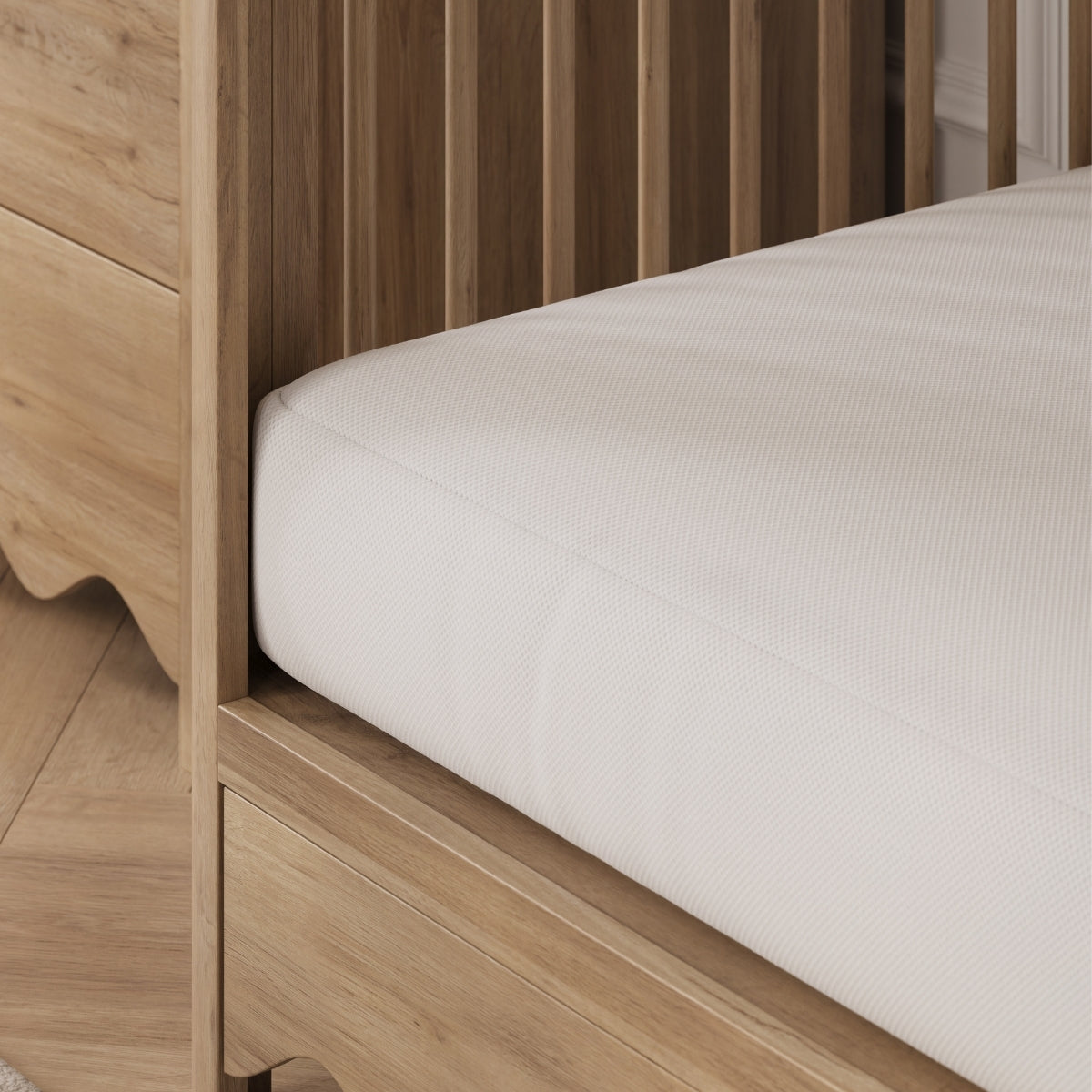
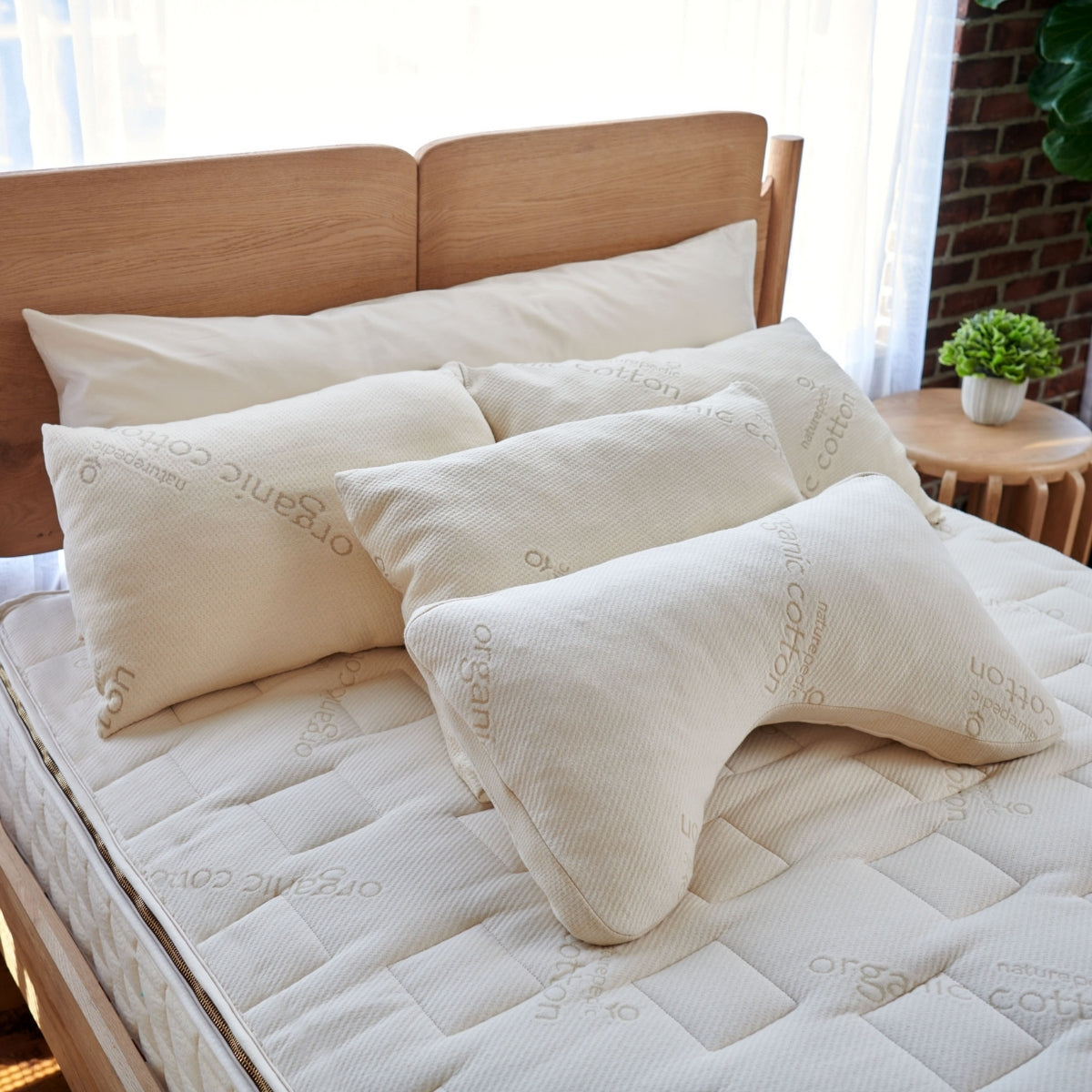
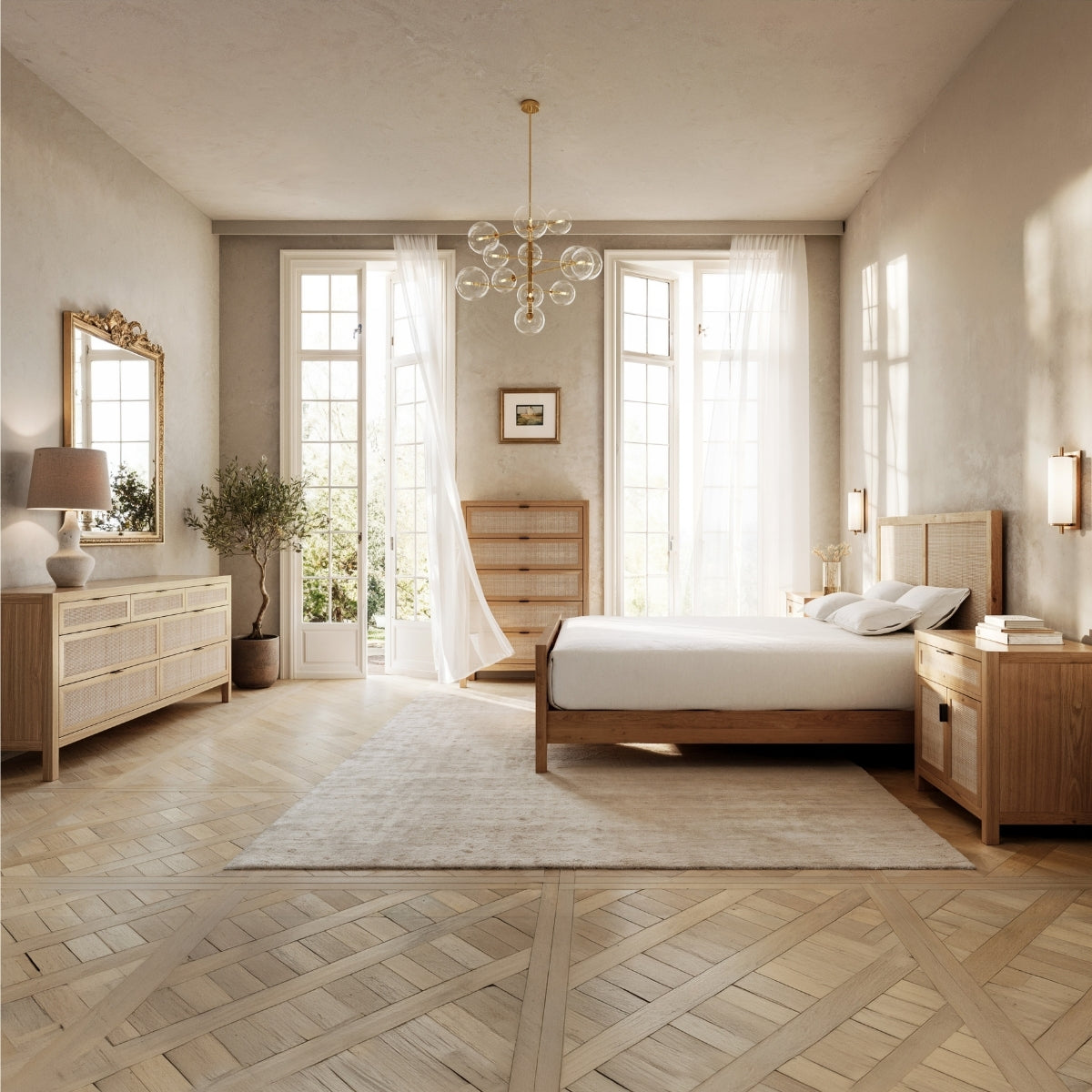

The way you furnish your home says more than you might think – it shapes the overall mood and character of your space. Every design choice, from the type of wood to the shape of a table leg, contributes to a broader visual language known as aesthetic style.
Furniture aesthetics describe the distinctive look and feel that defines a piece or collection: how it’s built, finished, experienced. These styles often reflect deeper influences such as history, geography and cultural values. And from the warmth of rustic craftsmanship to the clean lines of Scandinavian minimalism, each aesthetic tells its own story.
Understanding these styles can help you make more intentional choices when decorating or investing in long-lasting pieces. Whether you prefer something traditional, modern or a blend of both, knowing what defines each look makes it easier to create a space that feels cohesive and true to you.
1. Rustic and Rustic Modern Furniture
Rustic furniture design has its roots in early rural craftsmanship, when furniture was built by hand from locally available materials. Originating from farmhouses, mountain cabins and frontier homes, rustic pieces were made for durability and function, often using solid, unfinished wood that showcased natural grain and texture. Over time, this utilitarian approach evolved into a recognizable style that celebrates the character of raw materials and the beauty of imperfection.
Visually, rustic furniture tends to feel warm, heavy and organic. Pieces often feature reclaimed or rough-sawn wood with visible knots, cracks or tool marks. Common details include sturdy frames and matte finishes that highlight the wood’s natural patina rather than concealing it. Iron or forged-metal hardware, leather upholstery and stone accents are also typical in rustic spaces.
Rustic Modern builds on those traditional qualities but adds a sense of refinement. The forms are simpler, the lines cleaner and the finishes smoother –bridging the gap between rugged charm and modern design. A rustic dining table might be paired with sleek chairs, or a weathered wood headboard might anchor an otherwise minimalist bedroom.
The result is an aesthetic that feels both grounded and current: rooted in craftsmanship and nature, but adaptable to contemporary homes.
2. Mid-Century Modern
Mid-Century Modern design emerged in the postwar years of the mid-20th century, roughly between the 1940s and 1960s. Influenced by the Bauhaus movement and Scandinavian functionalism, it reflected a shift toward simplicity, innovation and mass accessibility. Designers like Charles and Ray Eames, Eero Saarinen and Hans Wegner led the movement, creating pieces that balanced beauty with everyday practicality.

Visually, Mid-Century Modern furniture is defined by clean lines, gentle curves and an emphasis on function over decoration. Pieces often feature tapered legs, geometric forms and organic silhouettes that highlight the natural qualities of the materials. Wood species like walnut, teak and oak were commonly used, often combined with molded plywood, metal or fiberglass. Finishes tend to be smooth and satin-like, allowing the material itself to stand out.
Color also played a key role – earthy neutrals were often paired with bold accent hues like mustard, olive, or turquoise. Upholstery leaned toward simple weaves and durable fabrics that matched the unfussy design language.
Today, Mid-Century Modern remains one of the most recognizable aesthetics in furniture design. Its timeless proportions and approachable style make it easy to integrate into a variety of spaces, from retro-inspired homes to minimalist, contemporary interiors.
3. Classic and Traditional Furniture
Traditional furniture design traces its origins to 17th- and 18th-century Europe, drawing heavily from English, French and Italian influences. It evolved from the craftsmanship of cabinetmakers who emphasized balance, proportion and ornamentation. These early designs were meant to convey elegance and permanence, qualities that still define the Traditional and Classic aesthetic today.
Visually, traditional furniture is distinguished by its symmetry, refined detailing and graceful curves. Common elements include turned legs, carved moldings and rich wood tones such as mahogany, cherry, and walnut. Finishes are typically smooth and polished, sometimes accented with brass hardware or inlay work. Upholstered pieces often feature tufting, rolled arms or patterned fabrics that complement the formal tone.
Despite its historical roots, the traditional style continues to evolve. Contemporary interpretations tend to simplify the detailing, use lighter woods or neutral fabrics and pair classic silhouettes with modern accessories. This creates a look that still feels timeless but less ornate and heavy than the original European versions.
Overall, Traditional and Classic furniture suits interiors that value harmony and sophistication – spaces where craftsmanship and comfort coexist in equal measure.
4. Scandinavian and Nordic
Scandinavian and Nordic furniture design developed in the early to mid-20th century across Denmark, Sweden, Finland and Norway. Rooted in the region’s long winters and appreciation for craftsmanship, the style prioritized light, warmth and functionality. Designers such as Alvar Aalto, Arne Jacobsen and Børge Mogensen helped popularize the movement internationally, promoting the idea that good design should be both beautiful and accessible to all.

Visually, Scandinavian furniture is clean, bright and understated. It features smooth, simple lines and gentle curves that create a sense of calm and order. Light-colored woods such as birch, beech, ash or pine are commonly used, often left natural or finished with pale stains to preserve their warmth and reflect light. Upholstery tends toward natural materials like wool, linen or cotton in soft neutral tones, occasionally accented with subtle patterns or muted pastels.
Functionality is at the core of the Nordic aesthetic. Every piece serves a purpose, and excess ornamentation is avoided in favor of efficiency and longevity. The overall look is airy and uncluttered, with an emphasis on craftsmanship, proportion and a connection to nature.
Modern Scandinavian interiors continue to value these same principles, combining minimalism with comfort. The result is a timeless aesthetic that feels fresh, adaptable, and effortlessly livable.
5. Shabby Chic and Vintage-Inspired
Shabby Chic emerged in the late 20th century as a response to overly formal or mass-produced interiors. Popularized in the 1980s and ’90s by designer Rachel Ashwell, the style drew inspiration from English country cottages and the charm of well-worn antiques. Its philosophy was simple: comfort and beauty can coexist in imperfection, and age adds character rather than diminishing it.
Visually, Shabby Chic and other vintage-inspired aesthetics feature furniture with a soft, romantic feel. Pieces are often painted in light tones like white, cream, blush or pastel blue and intentionally distressed to reveal layers of history. Curved silhouettes, turned legs and floral or embroidered upholstery are common, echoing the elegance of bygone eras in a more relaxed way.
Materials like weathered wood, wrought iron and linen contribute to the lived-in charm of the style. Accessories such as vintage mirrors, crystal knobs or lace textiles add gentle detail without overwhelming the space. The overall impression is one of ease and familiarity, as if every piece has a story to tell.
Modern interpretations of the look tend to tone down the frills, blending vintage finishes with contemporary simplicity. Whether used throughout a home or as an accent, Shabby Chic furniture evokes nostalgia and warmth.
6. Coastal and Beachy
Coastal furniture design draws inspiration from seaside living, where light, air and texture define the atmosphere. Its roots can be traced to homes along the American East Coast, particularly New England’s weathered cottages and the relaxed, breezy interiors of coastal Europe. Over time, this look has evolved into a broader aesthetic that reflects a sense of calm and openness.

Visually, Coastal and Beachy interiors favor light, airy palettes and unfussy forms. Furniture often features pale or sun-bleached woods like oak, maple or driftwood, sometimes whitewashed to enhance brightness. Woven materials such as rattan, cane and seagrass add texture and depth, while linen, cotton and lightweight upholstery fabrics reinforce the easygoing feel.
The color scheme typically reflects the shoreline: soft whites, sandy neutrals, sea-glass blues and muted grays. Finishes are matte or lightly distressed rather than glossy, giving furniture a lived-in, effortless quality. Decorative details are minimal, emphasizing natural light, space and organic texture over ornamentation.
Modern interpretations of Coastal style lean toward simplicity, sometimes blending with Scandinavian or Minimalist influences. The result is furniture that feels bright, comfortable and timeless, ideal for creating interiors that evoke tranquility, even far from the ocean.
7. Gustavian and Swedish Neoclassical
The Gustavian style originated in late 18th-century Sweden during the reign of King Gustav III, who was deeply influenced by the French Neoclassical interiors he encountered at the court of Louis XVI. Upon returning to Sweden, he adapted the grandeur of French design to suit a more modest, Nordic sensibility – resulting in a lighter, simpler and more approachable version of classic European elegance.
Visually, Gustavian and Swedish Neoclassical furniture is characterized by symmetry, refined detailing and an overall sense of balance. Pieces often feature straight lines softened by gentle curves, fluted legs and understated carved ornamentation. While French Neoclassical interiors favored dark woods and gilded finishes, the Swedish interpretation embraced pale colors and painted surfaces to reflect light during long northern winters.
Typical finishes include chalky whites, soft grays, pale blues and muted pastels. Furniture is often made of native woods like birch or pine, painted or lightly distressed to achieve an aged, matte patina. Upholstery fabrics such as linen or cotton complement the quiet color palette and contribute to the overall feeling of restraint and airiness.
Today, the Gustavian aesthetic endures for its timeless sense of grace. It brings classical proportions into brighter, more livable spaces, proving that elegance doesn’t require excess.
8. Wabi-Sabi and Japandi
Wabi-Sabi is a centuries-old Japanese philosophy rooted in Zen Buddhism that finds beauty in imperfection, impermanence and authenticity. Rather than striving for perfection, it celebrates the natural cycle of growth and decay – cracks in pottery, patina on wood or uneven surfaces shaped by time. In design, this philosophy translates into interiors and furniture that feel organic, humble and deeply human.

Japandi is a more recent hybrid aesthetic that blends Wabi-Sabi principles with Scandinavian design sensibilities. Emerging in the 2010s, it unites two cultures that both value simplicity, craftsmanship and connection to nature. The result is a look that’s minimal but warm, balancing the Japanese appreciation for restraint with the Nordic emphasis on comfort and light.
Visually, Wabi-Sabi and Japandi furniture is defined by natural materials and quiet forms. Pieces are typically low-profile and functional, crafted from woods like oak, ash or bamboo with matte or hand-rubbed finishes. Surfaces may show visible grain or texture rather than a flawless polish. Color palettes stay soft and neutral – think beige, taupe, charcoal and off-white – creating a calming, grounded atmosphere.
Together, these aesthetics encourage mindful living. Every object has a purpose, every imperfection a story. The effect is serene, balanced and timeless.
Choosing the Right Aesthetic for Your Home
With so many furniture aesthetics to choose from, it can be helpful to start by identifying what draws you in, whether it’s the rugged character of rustic wood, the balance of Scandinavian simplicity or the refined elegance of a Gustavian palette. Each style offers its own perspective on beauty and comfort, and understanding their origins can help you create a home that feels intentional rather than pieced together.
When exploring different aesthetics, consider how each one aligns with your lifestyle and surroundings. Rustic and Coastal styles, for instance, emphasize natural materials and casual warmth, while Mid-Century Modern and Japandi lean toward structure and restraint. Mixing elements thoughtfully, such as pairing the light finishes of Nordic design with the handcrafted details of rustic furniture, can create a look that feels layered yet cohesive.
Ultimately, there’s no single “right” aesthetic. The best interiors combine design principles with personal meaning. By learning how each style developed and what visual traits define it, you can make informed choices that balance practicality, longevity and the atmosphere you want to create.