


September is National Organic Month — a time to pause and reflect on what “organic” really means in our everyday lives. While the term is everywhere (on food labels, clothing tags, even mattresses) it’s also one of the most misunderstood. Does it simply mean “natural”? Does it guarantee healthier practices? Is it regulated by a measurable standard — or is it just clever marketing?
The challenge is that “organic” isn’t a universally regulated term. In some industries, it carries strict certification requirements. In others, it’s little more than a marketing label with no oversight at all. That inconsistency can make it difficult to know what organic really means or whether a product truly lives up to the promise behind the word.
That’s why, this National Organic Month, we’re breaking down what it means to be organic beyond the buzzword.
What Organic Really Means: Key Points
- “Organic” does not mean the same thing in every industry. In some categories, it is defined by strict certification standards; in others, it may be used more loosely in marketing.
- For food in the U.S., USDA Organic standards govern how crops are grown, animals are raised, and products are processed.
- For textiles and latex, third-party certifications help verify organic claims. Standards such as GOTS, GOLS, and OCS each cover different materials and stages of production.
- Certification adds transparency beyond a material’s origin. Depending on the standard, it may also address processing inputs, environmental practices, social criteria, and supply-chain traceability.
- National Organic Month is a useful reminder to look beyond the word “organic” itself and check what certification or standard actually supports the claim.
Note: This blog may contain links to Naturepedic products and promotional content where relevant to the topic discussed.
What Does Organic Mean in General?
At its root, the word organic simply means “relating to or derived from living matter.” In other words, it refers to substances and materials that come from life itself: plants, animals, and other natural sources. Over time, the term has taken on a broader meaning, especially in agriculture and consumer products. In this context, “organic” doesn’t just describe the origin of a material. It describes how it’s grown, processed, and brought to market. Organic farming, for instance, avoids synthetic pesticides and fertilizers, focuses on building healthy soil, prohibits genetically modified organisms (GMOs) and works to protect ecosystems.

When most people think of “organic,” they picture food. In the U.S., organic food is regulated by the USDA National Organic Program (NOP), which sets strict standards for how crops are grown, how animals are raised, and even how food is processed. A USDA Organic seal on food products means you can trust that certification body has verified compliance with those standards. But outside of food, the term isn’t always so clear.
Organic Beyond Food
Outside the grocery aisle, “organic” becomes much more complicated. You might see it stamped on a cotton T-shirt, a bottle of shampoo, or even a mattress, but unlike food, there’s no single government program defining what organic must mean in those categories. Sometimes it’s backed by credible certifications. Other times, it’s little more than a marketing claim.
This gap is where confusion — and even greenwashing — can creep in. A fabric may be called organic simply because it started with cotton grown without synthetic chemicals, even if harsh dyes or chemical finishes were used later in production. A personal care product might highlight one organic ingredient while the rest of the formula relies on conventional synthetics. Without clear standards, the word can lose its weight.
It's Not Organic Unless It's Certified
Because “organic” isn’t consistently regulated across industries, certifications are the clearest way to know if a product truly meets organic standards.

These third-party programs go beyond marketing claims, ensuring that the word organic reflects meaningful practices from farm to finished product.
USDA Organic
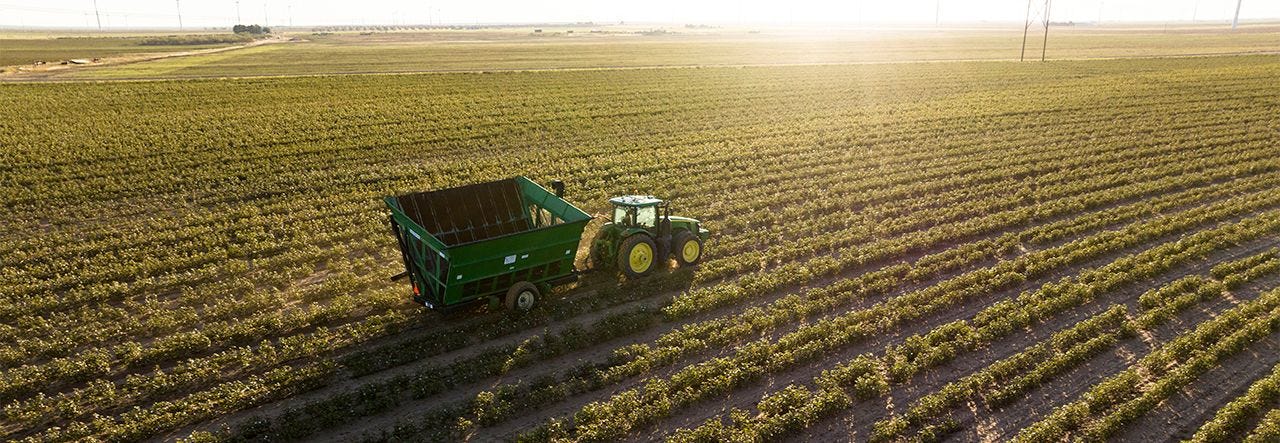
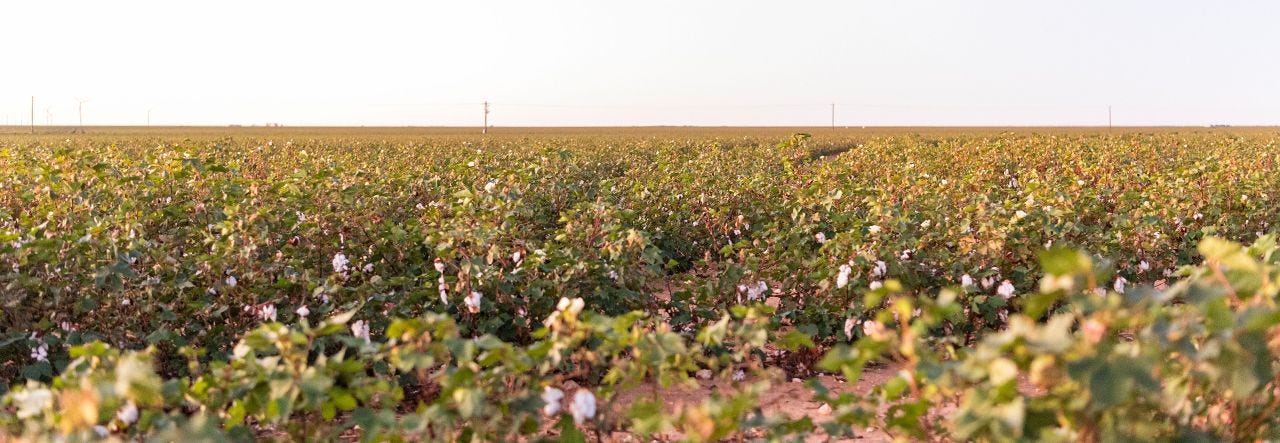
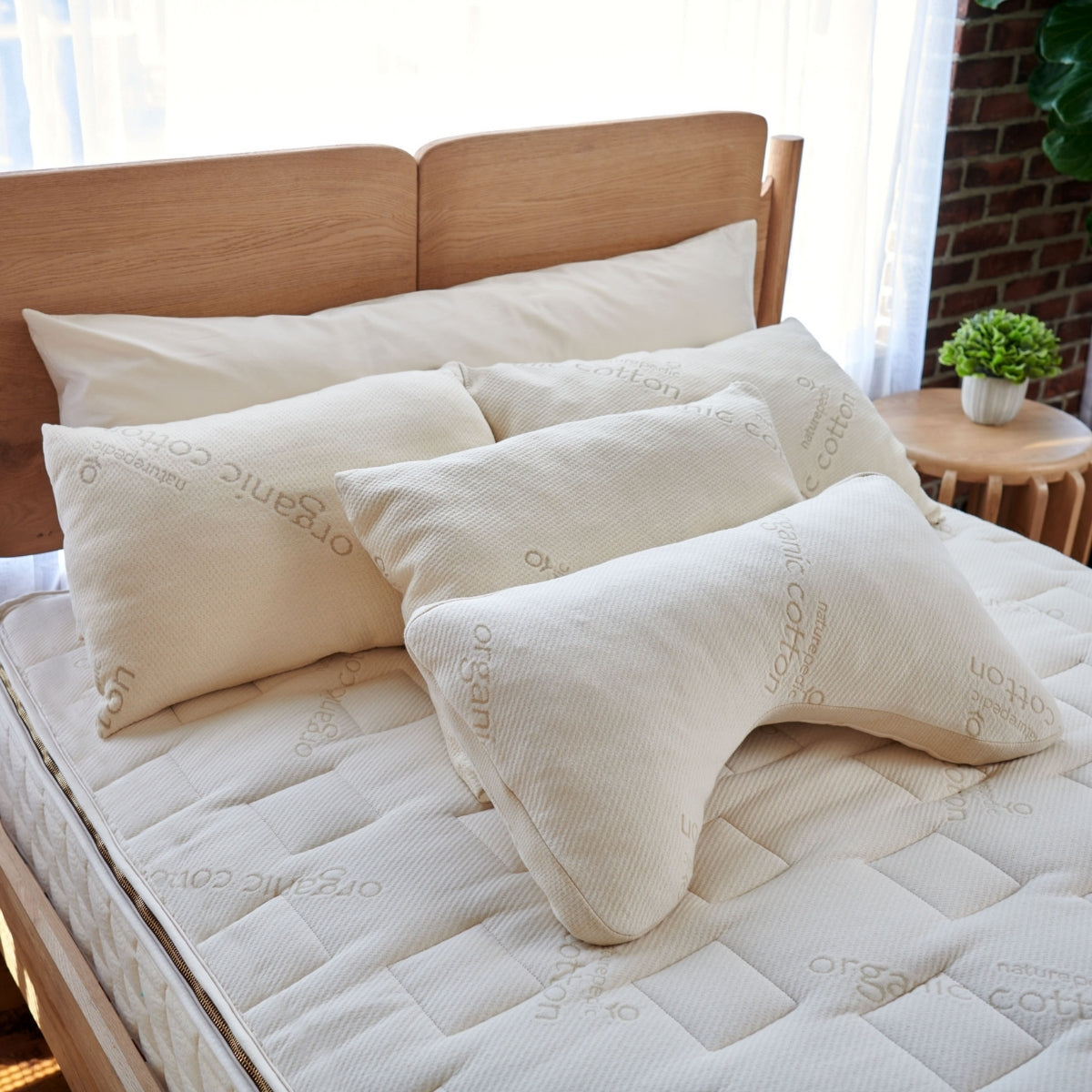
Most familiar in the food space, the USDA Organic seal verifies that crops and livestock are produced without synthetic pesticides, fertilizers, GMOs, or antibiotics. While it primarily applies to food, some personal care products and textiles can also carry USDA Organic certification for certain ingredients. Our organic cotton fill is USDA certified organic and grown right in Texas.
Global Organic Textile Standard (GOTS)
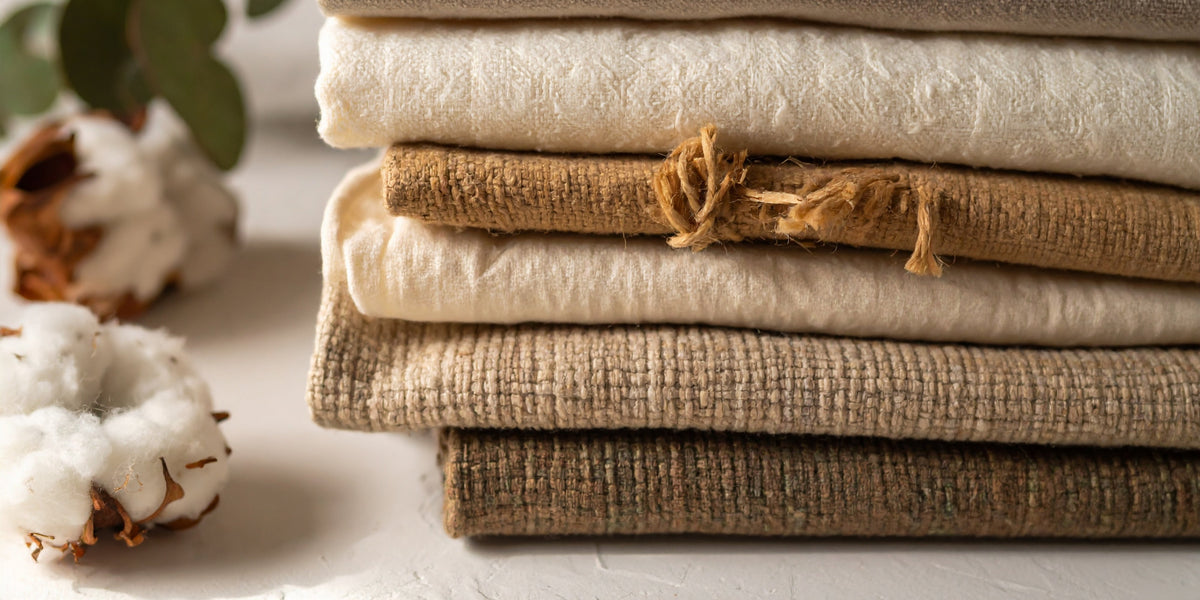
GOTS is the world’s leading standard for organic fibers such as cotton and wool. GOTS requires that textiles contain a minimum of 70% certified organic fibers, and the specific “organic” label requires at least 95% organic fibers. Beyond farming, GOTS also prohibits harmful chemicals during processing and sets strict criteria for environmental and social responsibility.
Global Organic Latex Standard (GOLS)
GOLS applies specifically to latex foam, verifying that the latex comes from organically grown rubber trees and is processed according to rigorous environmental and social standards. Latex might not be an organic material, per se, as it doesn't occur in nature, but GOLS certification means that the rubber tree sap that goes into your latex is genuinely organic — not just marketed as "natural."
Organic Content Standard (OCS)
Where GOTS certifies finished products, OCS tracks and verifies the specific organic materials in a product. While it doesn’t go as far as GOTS in regulating chemical inputs or processing, OCS provides transparency about the percentage of organic fibers used.
Why It Matters for You
Certifications may sound technical, but they have very real implications for your everyday life. When you choose products backed by USDA Organic, GOTS, GOLS or OCS, you’re choosing a higher level of transparency and accountability — it's about so much more than just a label, than status. These seals tell you that what you’re bringing into your home was grown and processed in ways that respect your health, the workers who made it, and the planet we all share.

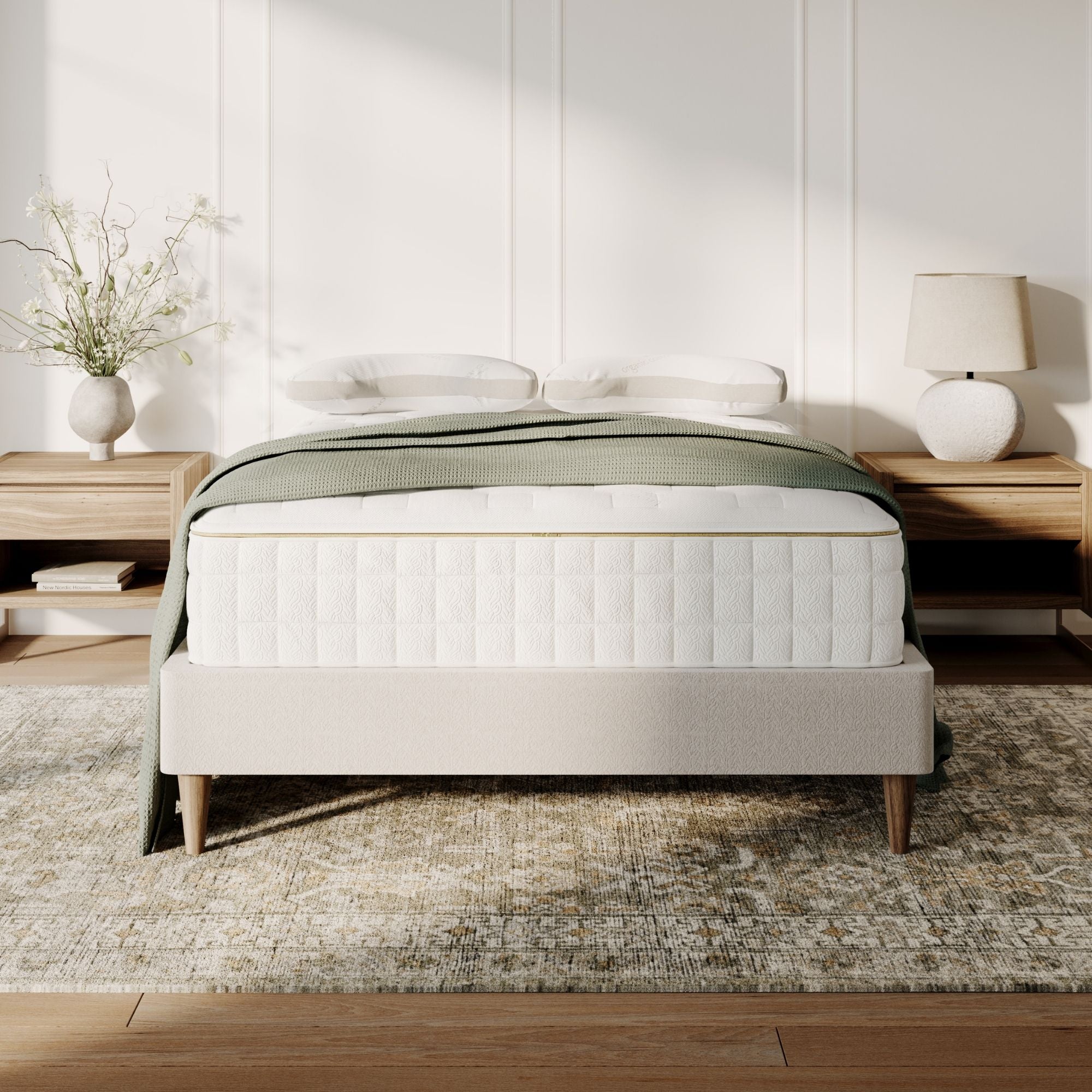
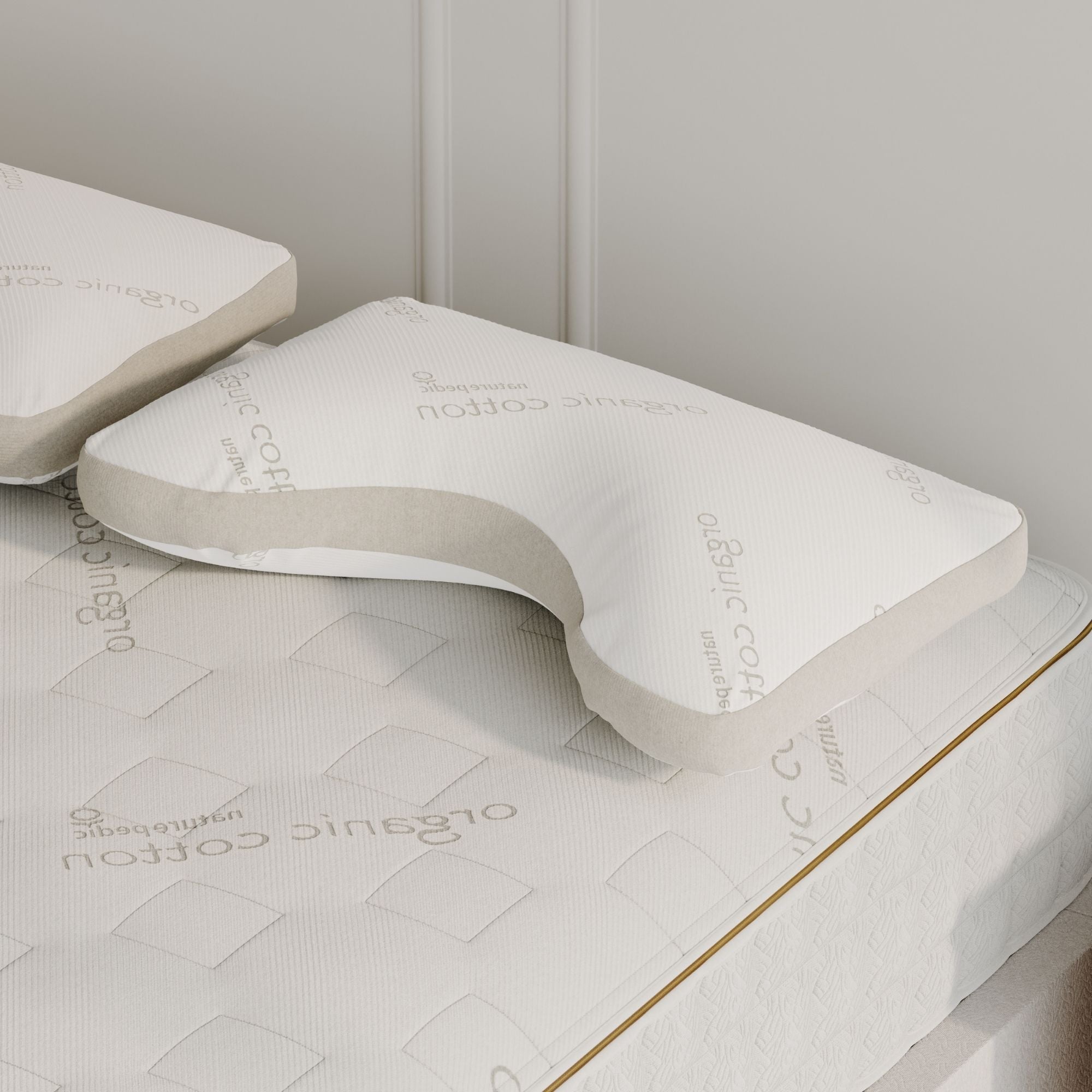
In the sleep space, this matters even more. Bedding and mattresses are products you spend hours in contact with every single day. Certified organic cotton, wool, linen, latex, kapok, you name it — they help to ensure that the fabrics against your skin and the materials beneath you avoid toxic chemical inputs and are produced with respect for the environment.
When the word organic is backed by credible certification, it shifts from being a marketing claim to being a genuine standard you can trust. That trust is exactly what National Organic Month is meant to celebrate.
Celebrating National Organic Month
National Organic Month is a reminder to pause and consider the choices we make every day. The word organic may be everywhere, but when it’s backed by credible certifications, it carries real meaning: healthier products, stronger communities, and a lighter footprint on the planet.
This month is the perfect time to look beyond the buzzwords and seek out products that have earned their place in the organic movement. Whether it’s the food on your table or the mattress you sleep on each night, organic products — truly organic products — give you the confidence that your choices truly align with your values.
Have feedback on our story? Contact us to let us know what you think or visit our about us page to learn more!