
The mattress on the floor meme has become something of a cultural moment. Chances are you’ve lived it once or twice.
But while this setup might evoke a certain carefree simplicity or nostalgia from your college days, your organic mattress deserves better. Placing your premium investment directly on the floor compromises the very benefits that drew you to organic sleep in the first place: long-term health, better sleep hygiene, a cleaner environment, and more.
So, let's explore why keeping your mattress off the floor isn't just recommended — it's essential for both your bed and body. (Spoiler alert: It's not just a red flag — it's bad sleep hygiene!)
Mattress on the Floor: Key Points
- Keeping a mattress directly on the floor can restrict airflow underneath the bed, allowing heat and moisture to build up.
- Trapped moisture can increase the risk of mold and mildew, especially when a mattress sits directly on carpet or another surface that holds humidity.
- Floor placement may void your mattress warranty if the manufacturer requires a supportive, breathable foundation or bed frame.
- A floor-level mattress is also closer to dust, dirt, pet dander, and other allergens that naturally collect near the ground.
- If temporary floor placement is unavoidable, improve airflow with a breathable barrier or slats, air the mattress regularly, monitor for moisture, and move it to proper support as soon as possible.
Note: This blog may contain links to Naturepedic products and promotional content where relevant to the topic discussed.
4 Reasons Why We Don't Recommend Floor Sleeping
While the floor setup might seem harmless enough, there are several practical reasons why your mattress performs better with proper elevation.

Let's break down the main concerns.
1. It Blocks Airflow
Organic materials need to breathe. Unlike conventional mattresses that rely largely on synthetic components and chemical treatments, organic mattresses depend on natural airflow to regulate temperature and moisture. When placed directly on the floor, your mattress becomes trapped in a microenvironment where heat and moisture accumulate. The organic cotton, wool, and latex components that naturally help regulate temperature can't function optimally when proper ventilation is blocked. Without adequate air circulation, your mattress may feel warmer and stuffier than intended, reducing the comfort benefits you're seeking from organic materials.
2. It Increases Mold and Mildew Risk
Without adequate airflow underneath, condensation becomes a serious concern. Moisture trapped between your mattress and the floor creates ideal conditions for mold and mildew growth. These unwanted organisms can develop inside the mattress core or along the bottom surface, compromising the structural integrity of your organic materials, your indoor air quality, and your health.
3. It Can Void Your Warranty
Most mattress warranties, including Naturepedic’s, require use on a supportive, breathable foundation. Floor placement doesn't meet these requirements, which means any issues that arise from improper support won't be covered under warranty protection.
4. It Exposes You to Dust, Dirt, and Allergens
Pet dander, dust particles, and other allergens naturally accumulate closer to the floor. Placing your mattress on the floor puts your sleep surface and the air you breathe while you sleep in direct contact with these household debris. The lower your mattress sits, the more likely it is to collect particles that can compromise your sleep environment's cleanliness.
What If You Really Need to Place Your Mattress on the Floor?
We understand that sometimes circumstances require creative solutions.

Whether it's a temporary living situation, cultural preferences, or aesthetic choices, there are ways to minimize the risks if floor placement is necessary.
- Place a breathable barrier between the floor and mattress. Cardboard or a simple grid of wooden slats can provide crucial airflow while maintaining the low-profile look you're seeking.
- Rotate and air your mattress regularly. Stand it upright against a wall weekly to allow air circulation around all surfaces. This helps prevent moisture accumulation and gives organic materials a chance to release any trapped humidity.
- Choose your flooring carefully. Hard surfaces like wood or tile are preferable to carpet, which can trap moisture and harbor allergens. If you must use carpeted areas, ensure the carpet is dry and well-maintained.
- Monitor for moisture signs. Check regularly for any dampness, musty odors, or visible mold growth. Early detection allows for quick intervention before problems become serious.
Important disclaimer: Placing your mattress directly on the floor is not recommended and will void your Naturepedic warranty. These suggestions are provided only for your convenience in temporary or unavoidable circumstances.
So, What Mattress Support Should You Use?
Ready to give your mattress the support it deserves?

Here are the best options for proper mattress elevation, each offering different benefits depending on your needs and style preferences:
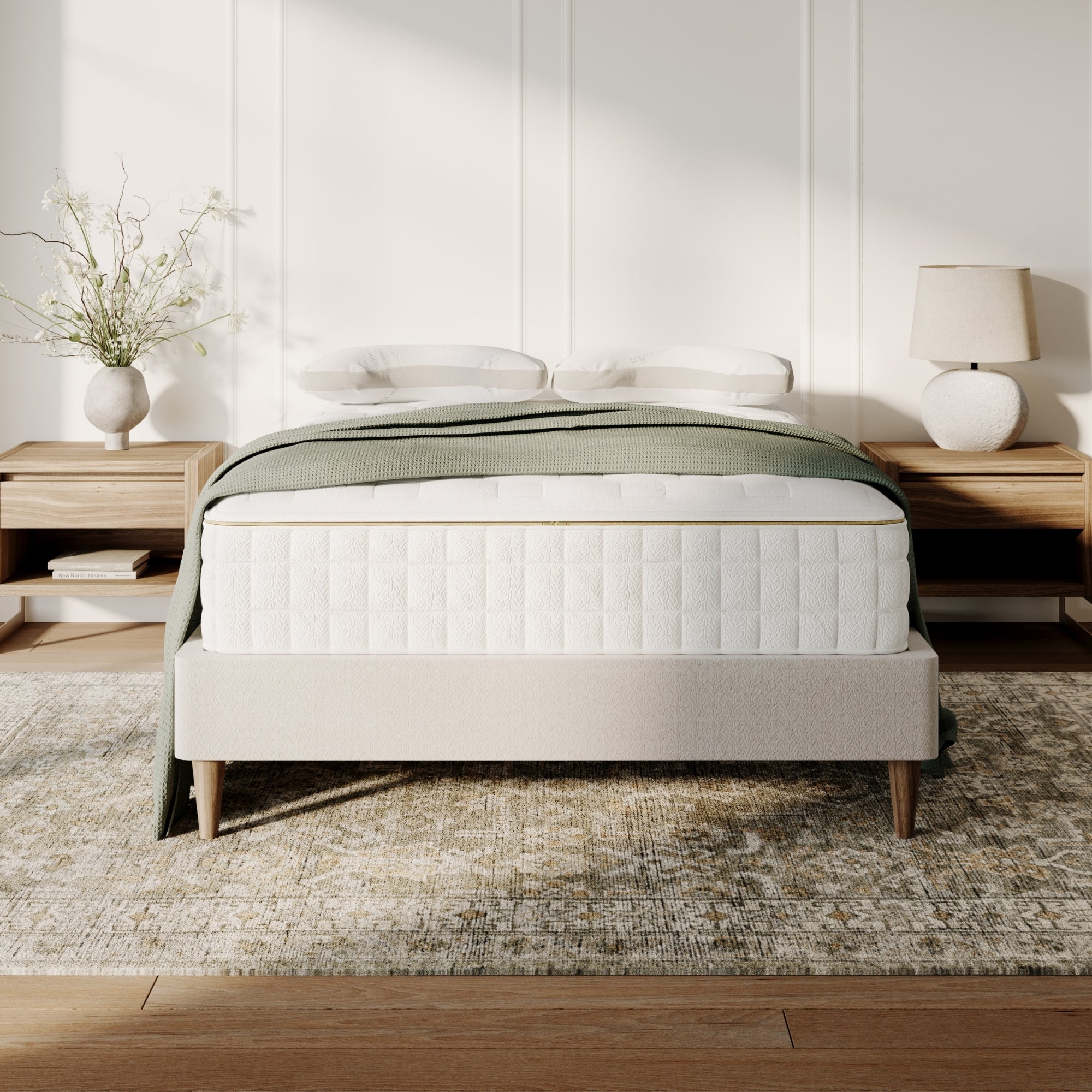
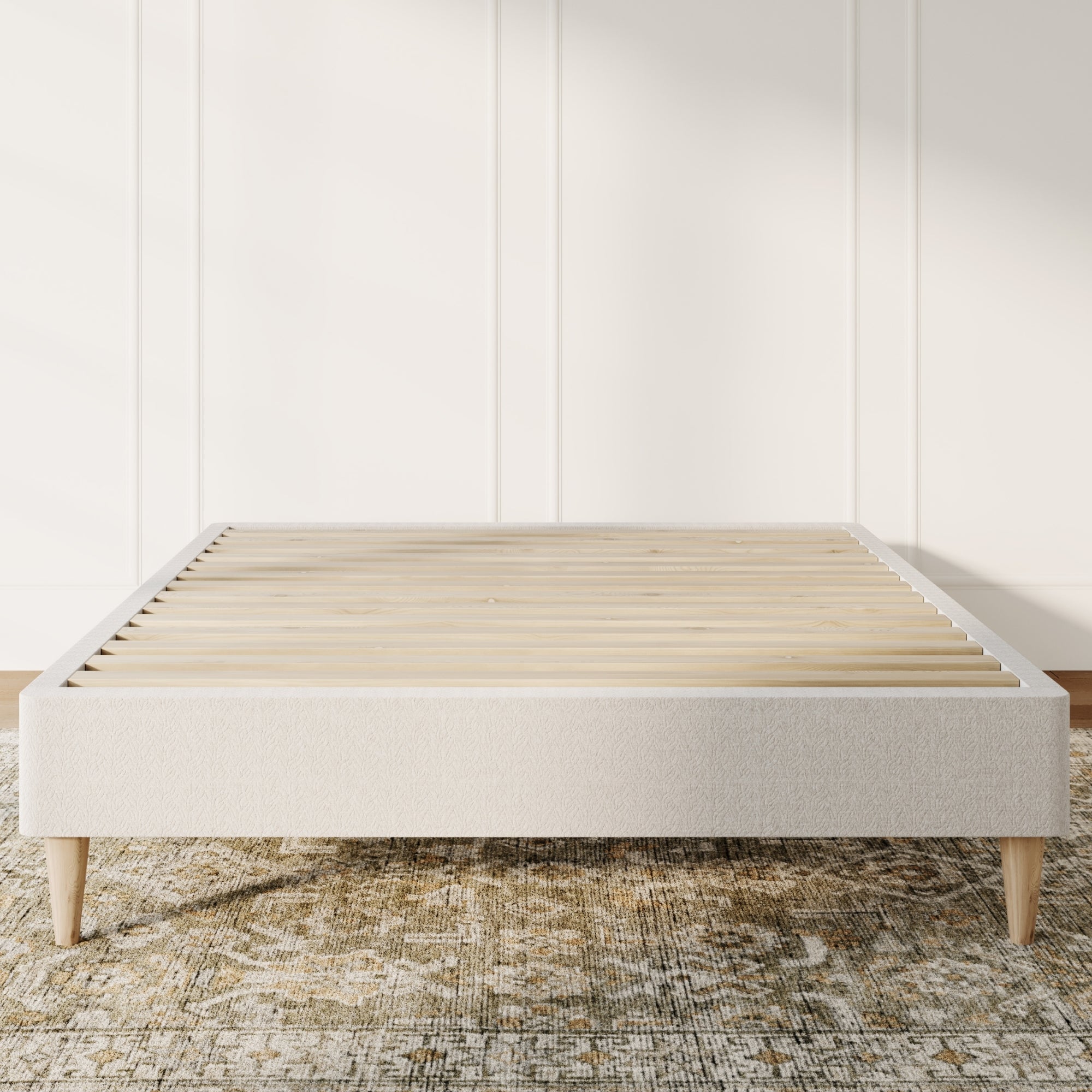
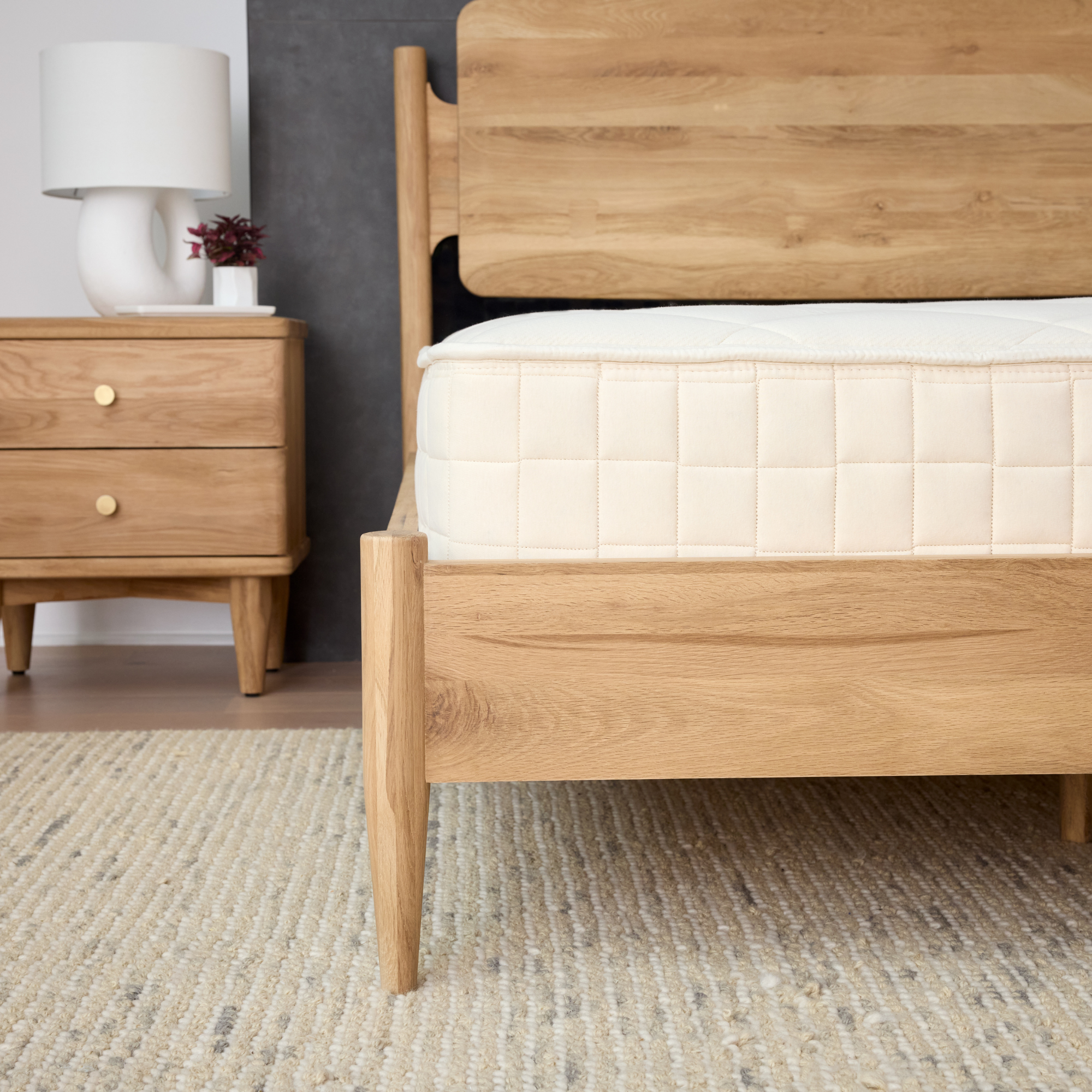
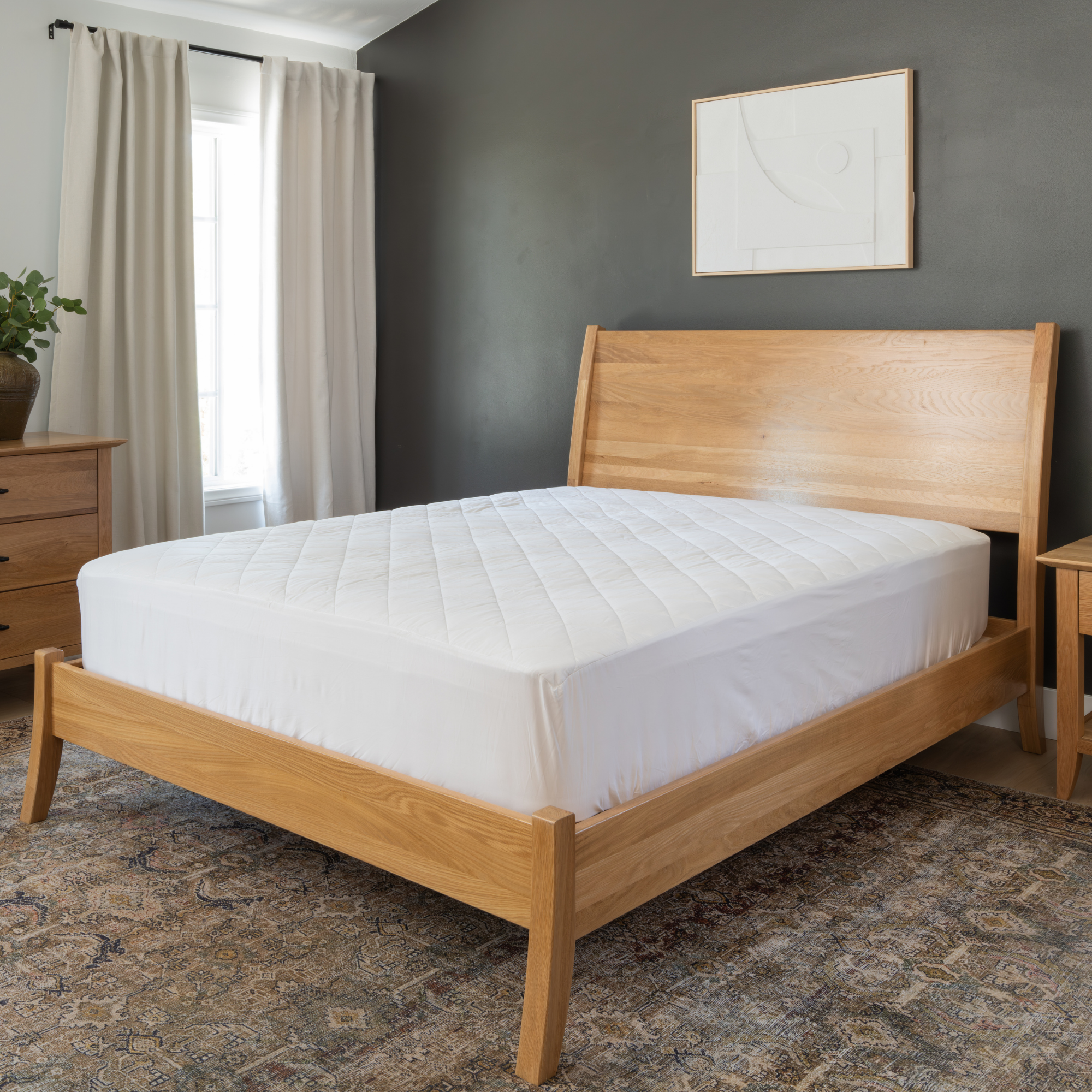
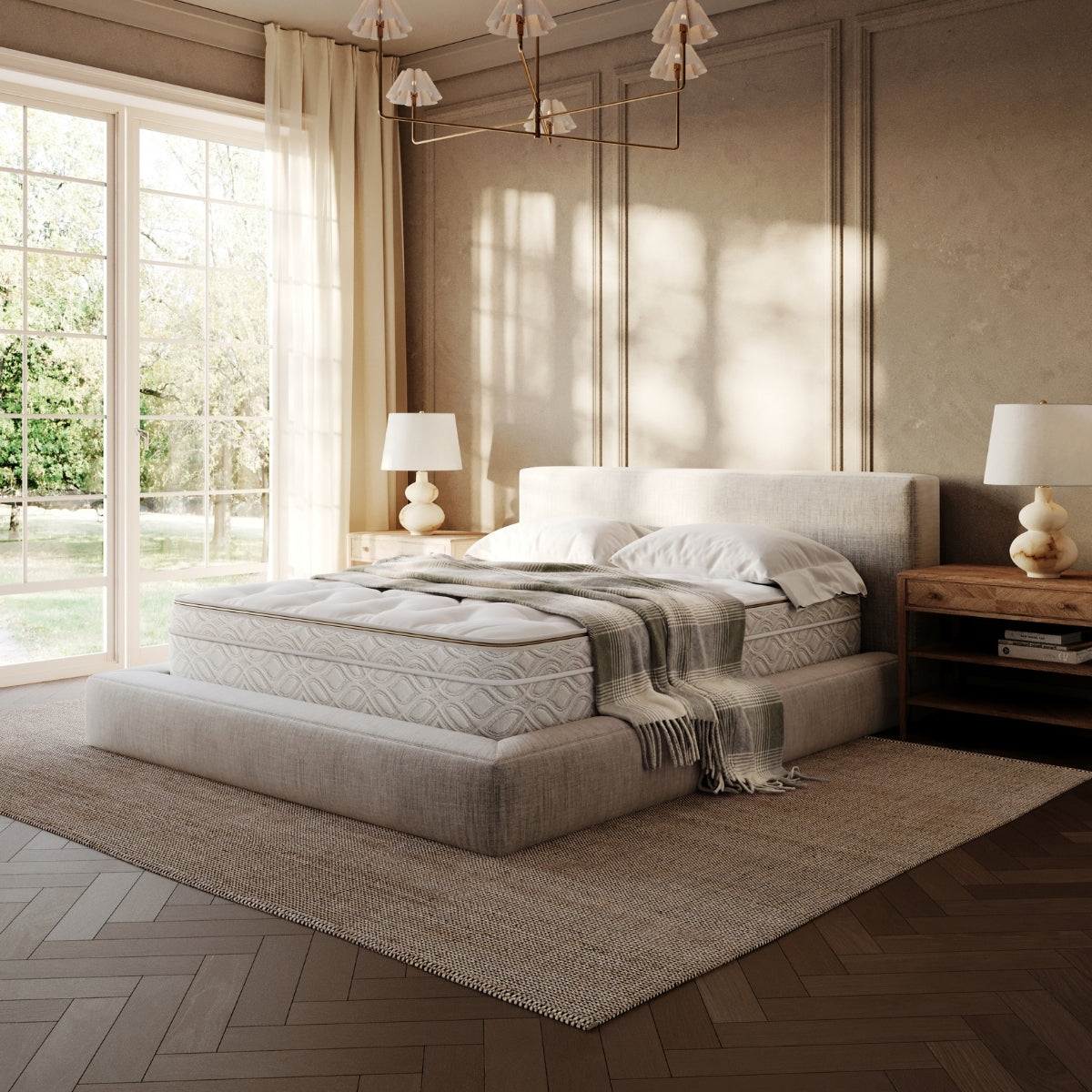
- Foundations: A quality foundation provides the ideal support system for your organic mattress. Proper foundation support distributes weight evenly across the sleep surface, preventing premature sagging or compression that can occur when weight is concentrated on contact points with hard flooring.
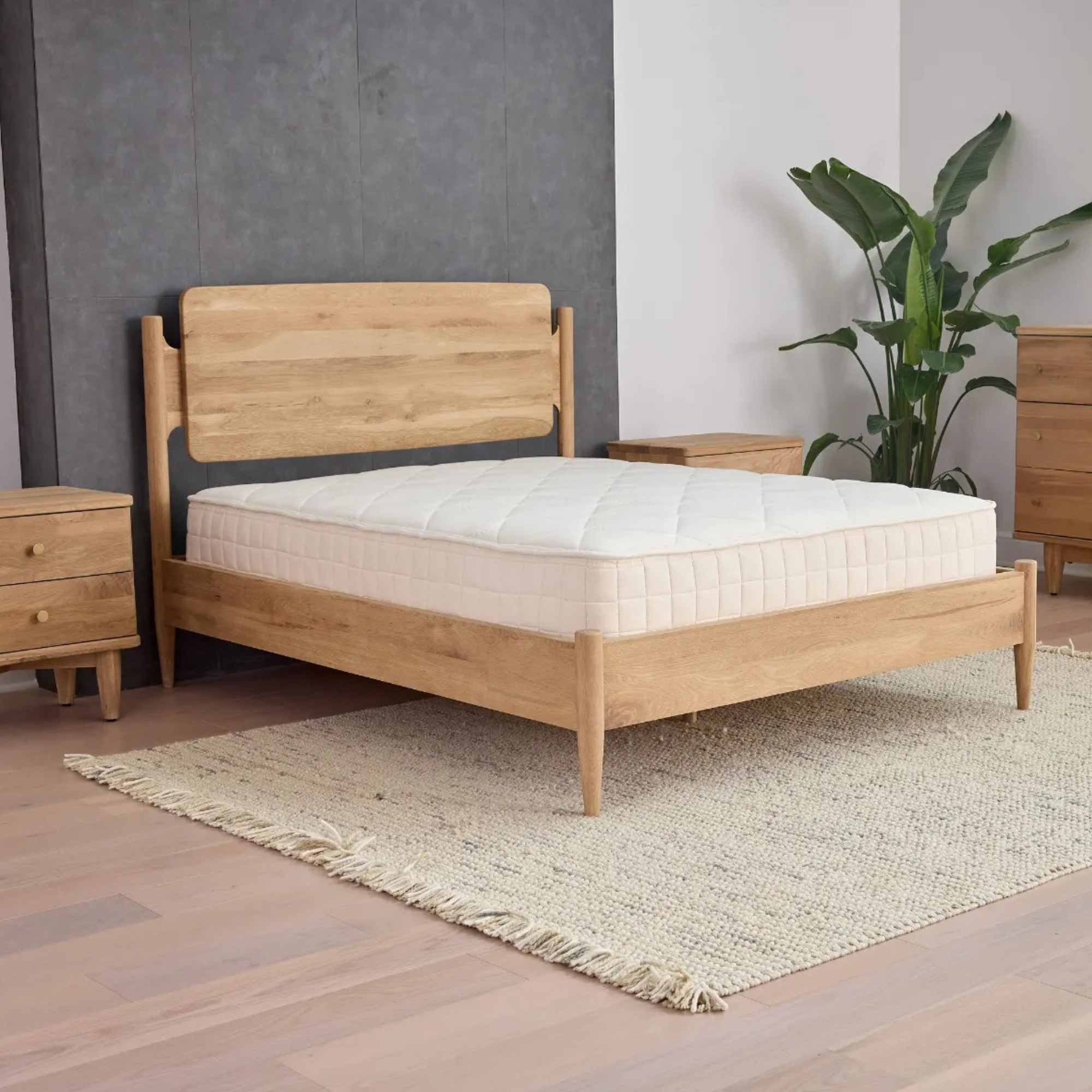
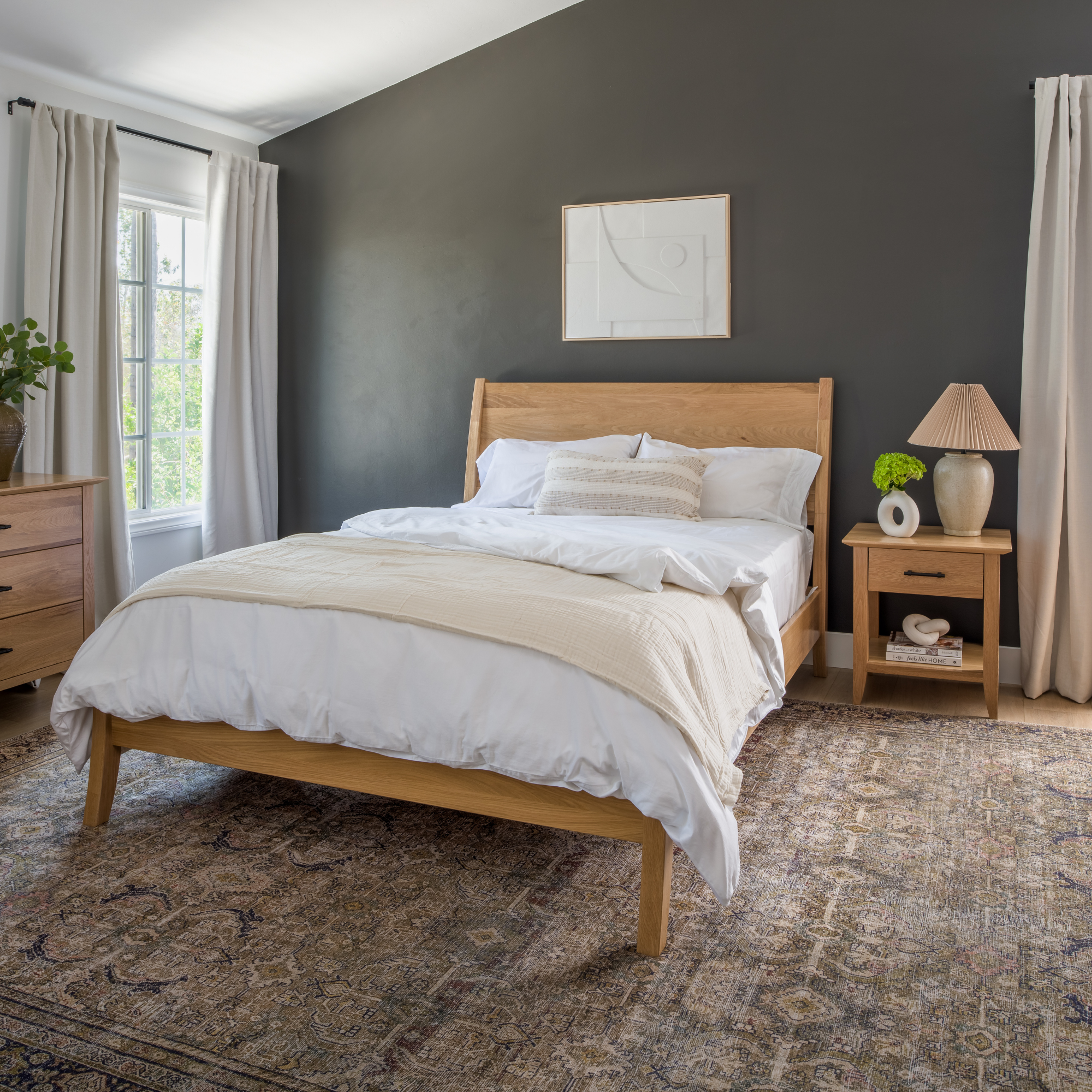
- Slatted Bed Frames: Wooden bed frames with properly spaced slats offer excellent ventilation and support. The gap between slats should be no more than 3 inches to prevent sagging while allowing adequate airflow.
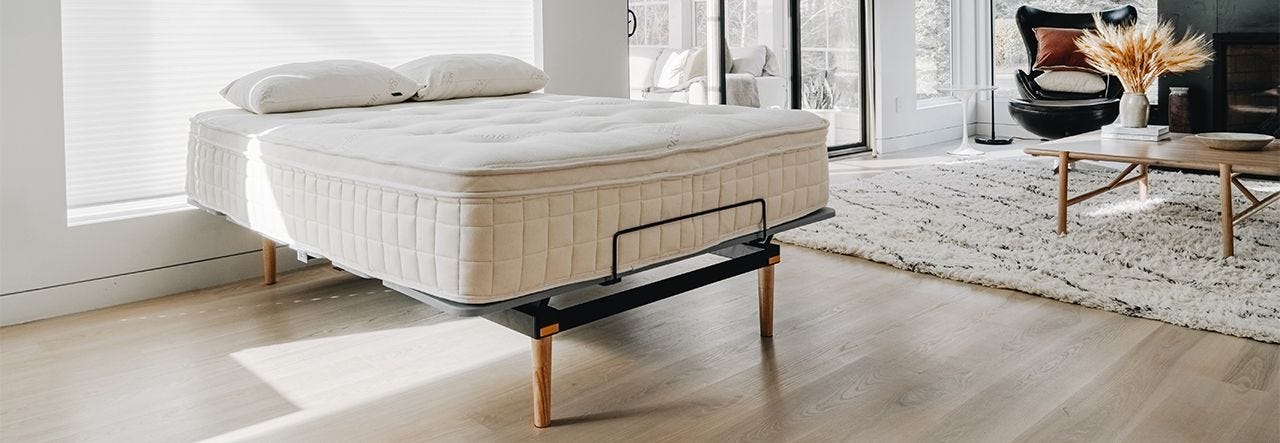
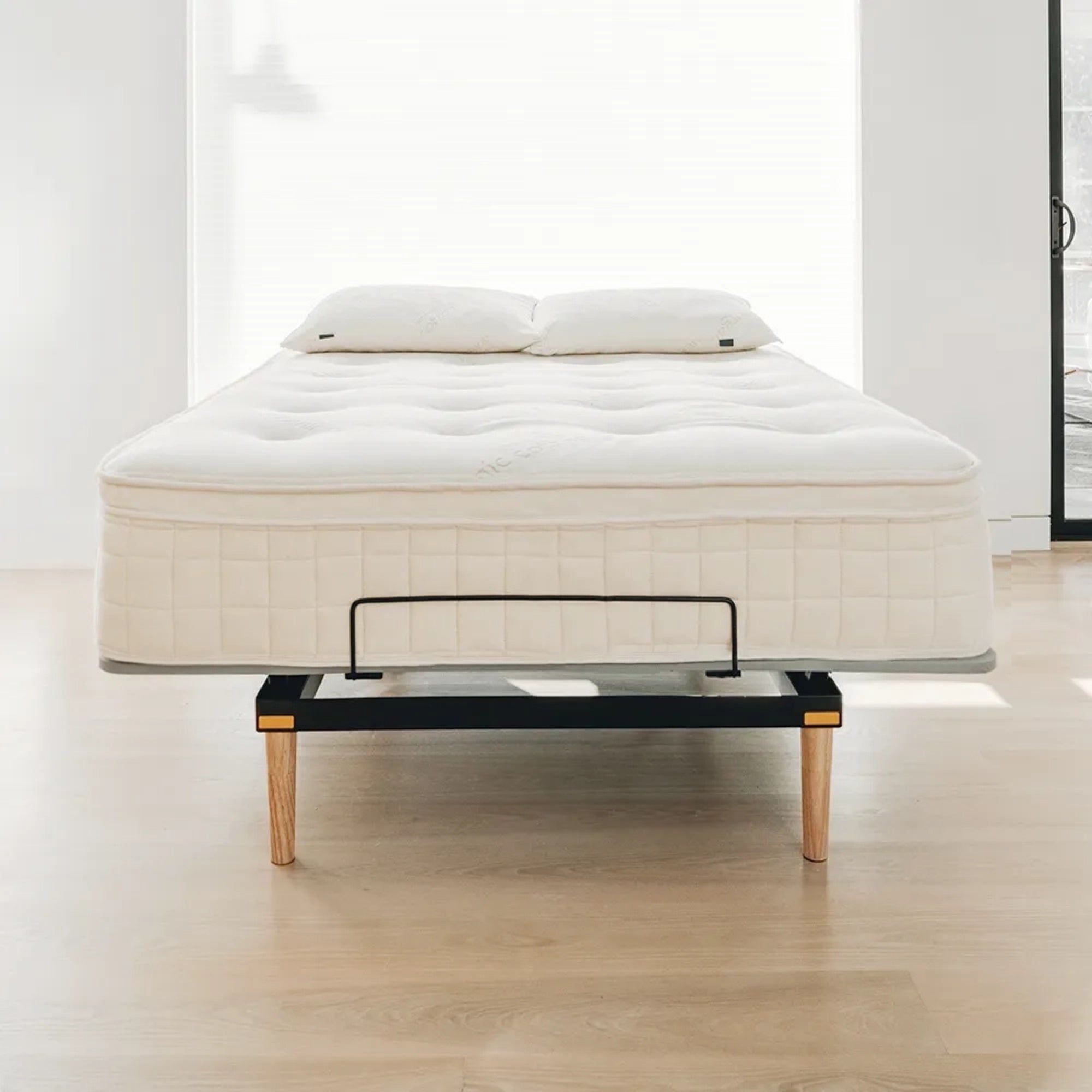
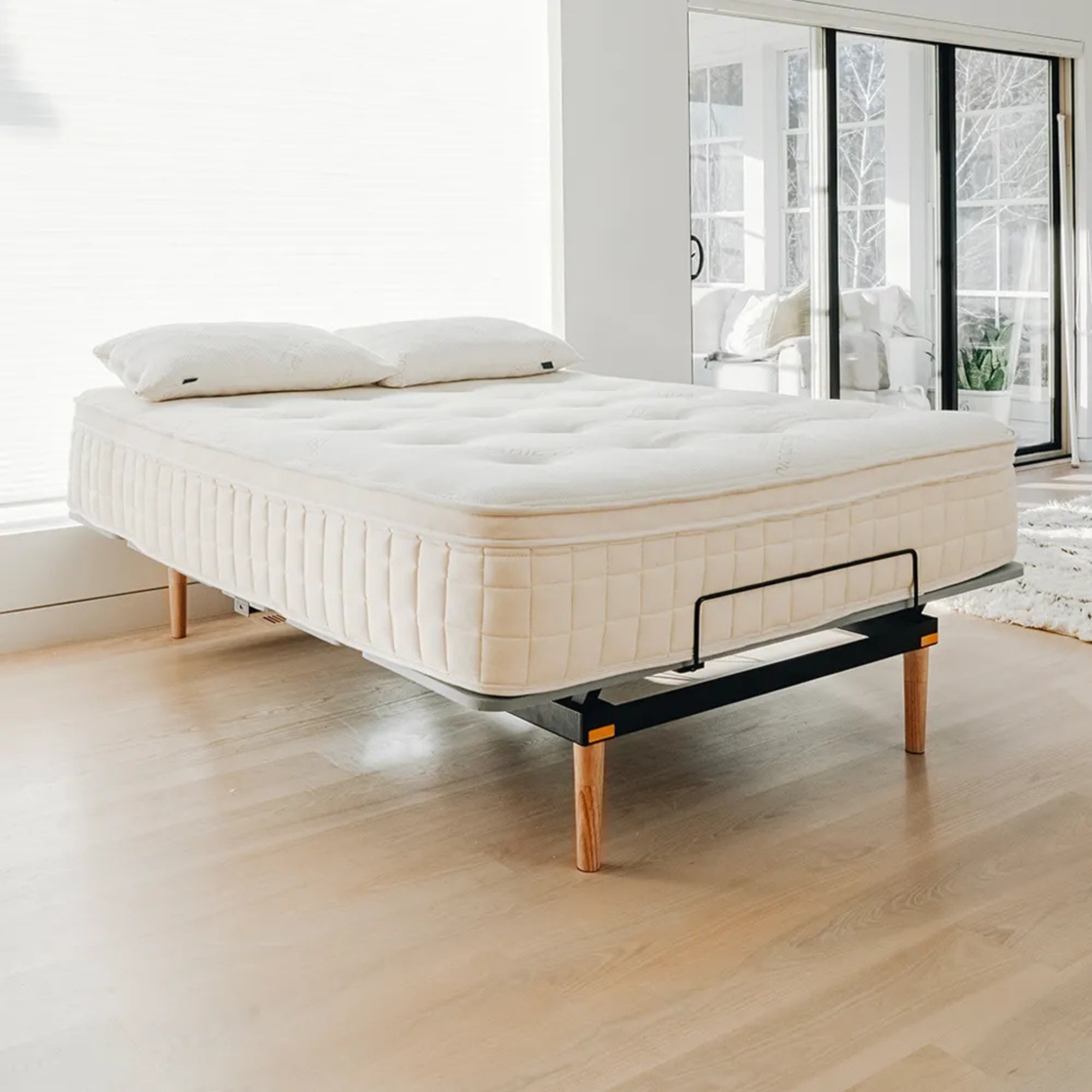
- Adjustable Bed Frames: For the ultimate in customized comfort, adjustable frames let you fine-tune your sleep position while maintaining proper support and ventilation. Many models now feature whisper-quiet motors and sleek profiles that complement modern bedroom aesthetics.
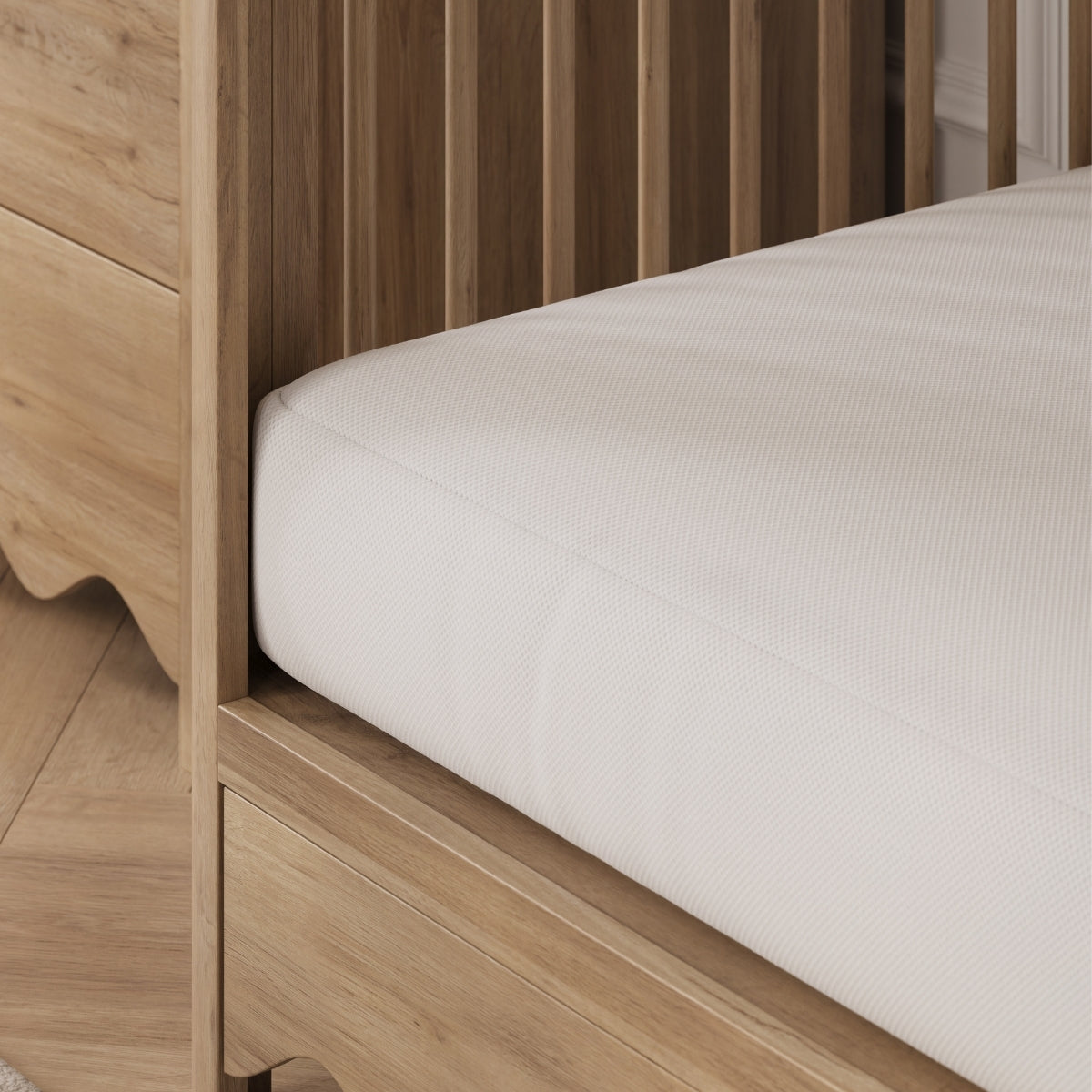
- Low-Profile Foundations: If you prefer the minimalist look of a floor-level mattress, low-profile foundations offer a compromise. These foundations sit just a few inches off the ground, providing necessary airflow and support while maintaining a clean, contemporary appearance.
Your organic mattress represents an investment in healthier sleep and more sustainable manufacturing practices. Protecting that investment with proper foundation support ensures you'll enjoy the full benefits of organic materials for years to come!
Have feedback on our story? Contact us to let us know what you think or visit our about us page to learn more!