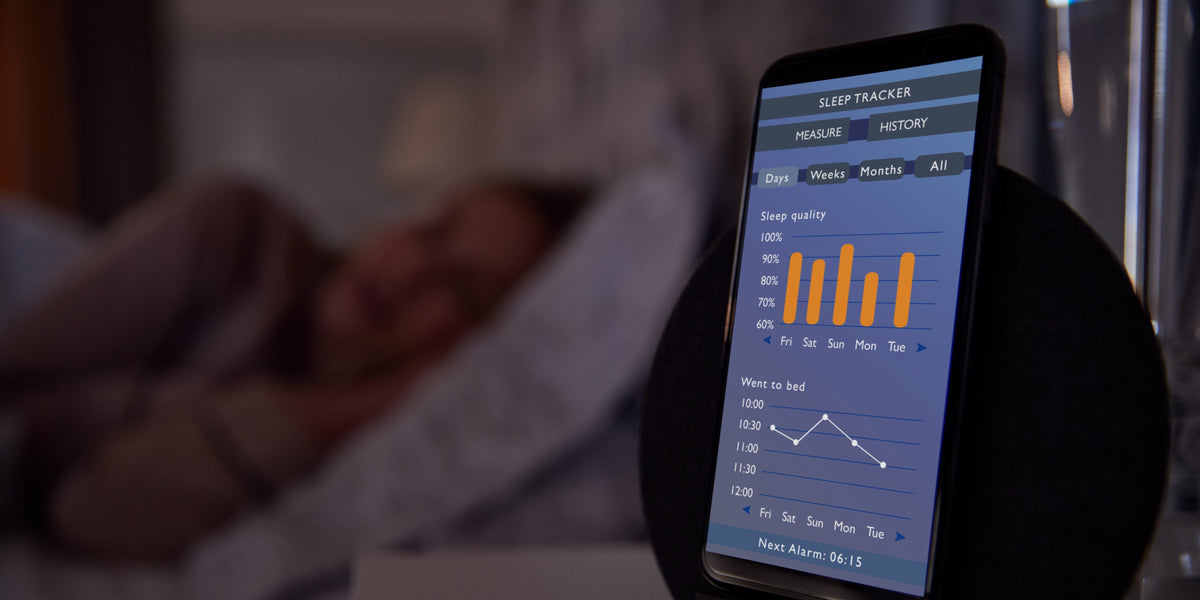


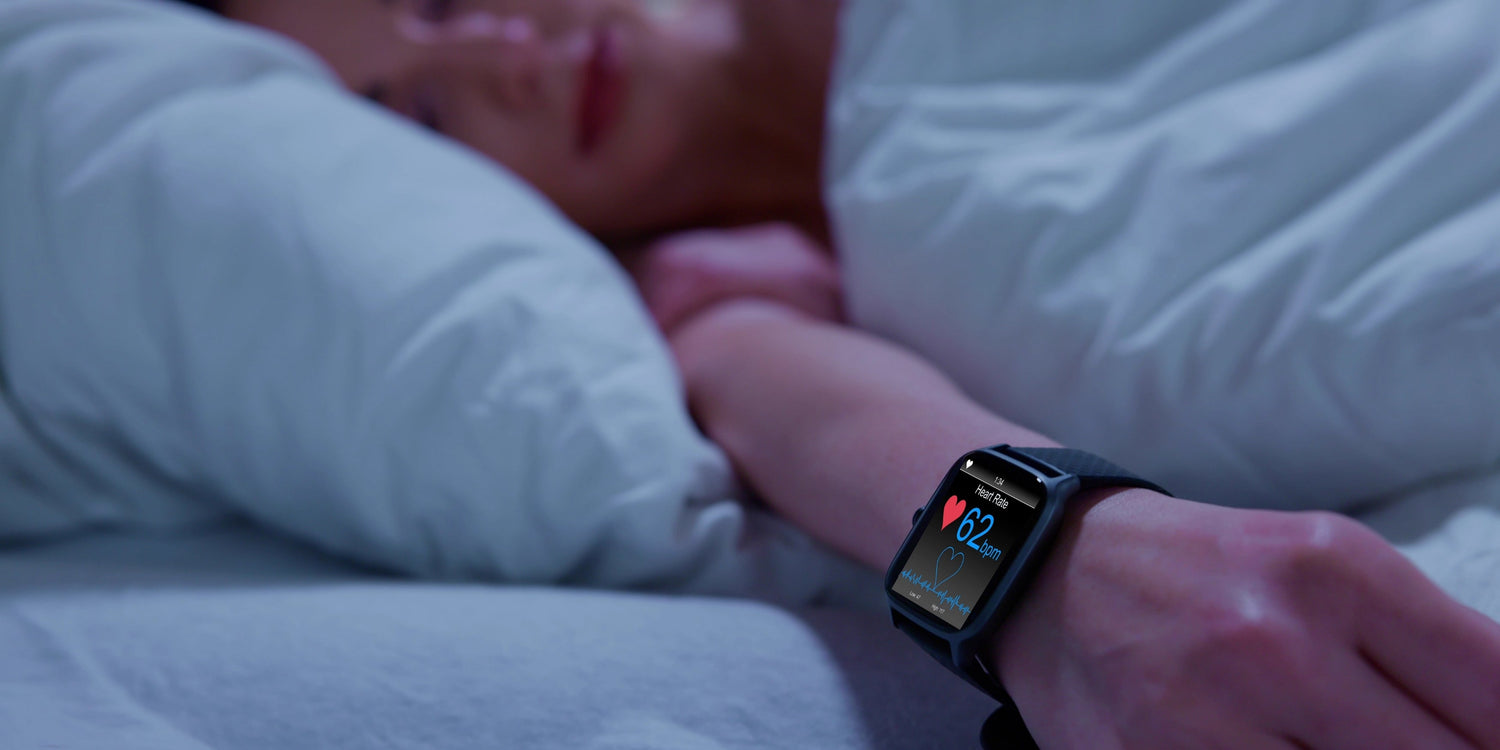
We've never had more information about our sleep. From smartwatches and sleep trackers to readiness scores, recovery metrics, and viral "sleepmaxxing" advice, Americans are constantly searching for the perfect night's sleep. But for some people, that pursuit is actually making sleep worse.
The condition is called orthosomnia, an unhealthy obsession with achieving perfect sleep. It's also part of a much larger trend.
A Naturepedic-commissioned survey of more than 2,000 Americans found that people are feeling increasing pressure to optimize every aspect of their health, from nutrition and exercise to environmental exposures and sleep. While technology can help us build healthier habits, it can also create stress when every night's sleep starts feeling like a test.
This article explores what orthosomnia is, why it's becoming more common and how to pursue better sleep without becoming consumed by perfection.
Orthosomnia: Key Points
- Orthosomnia is an unhealthy fixation on achieving perfect sleep, often fueled by sleep trackers, wearable devices and nightly performance scores.
- Sleep data can be helpful, but more information is not always better. Constantly reviewing REM sleep, deep sleep, and recovery metrics may increase anxiety instead of improving rest.
- Orthosomnia differs from insomnia. The primary issue is anxiety about optimizing sleep, although that anxiety can eventually make it harder to fall or stay asleep.
- Common signs include trusting a tracker more than your body, frequently changing your routine and treating every night of sleep like a performance test.
- Healthier sleep comes from consistency, comfort, and balance, not perfection. Taking breaks from tracking and focusing on how you feel can support a healthier relationship with sleep.
Note: This blog may contain links to Naturepedic products and promotional content where relevant to the topic discussed. This information is to be used for educational purposes and is not a substitute for individualized medical or mental-health care.
What Is Orthosomnia?
As more people turn to technology to improve their sleep, it's important to understand where healthy awareness can cross the line into unhealthy obsession. So, what is orthosomnia?

Orthosomnia is a term used to describe an unhealthy preoccupation with achieving perfect sleep, often driven by data from sleep trackers and wearable devices. Unlike insomnia, where the primary challenge is falling asleep or staying asleep, orthosomnia is rooted in anxiety about sleep and optimizing it rather than an inability to sleep itself.
Many people with orthosomnia spend significant time reviewing sleep scores, analyzing REM and deep sleep percentages, or worrying that one imperfect night will negatively affect their health.
While wearable technology can provide helpful insights, constantly checking sleep data can create unnecessary pressure. Instead of feeling reassured, people may become increasingly anxious each morning when their sleep metrics don't meet expectations.
The irony? Stress is one of the biggest barriers to quality sleep. When sleep becomes something you have to "achieve," it often becomes harder to relax enough to get the rest your body actually needs.
How Does Orthosomnia Affect Overall Sleep Quality and Health?
Sleep is meant to be restorative. But when your attention shifts from resting to constantly evaluating your performance, bedtime can quickly become another source of stress.
Instead of winding down naturally, people experiencing orthosomnia may find themselves asking questions like:
- Will I get enough REM sleep tonight?
- Did that afternoon coffee ruin my sleep?
- Why was my recovery score lower today?
- Why didn't I get enough deep sleep?
These thoughts may seem harmless at first, but over time they can increase stress hormones, create hypervigilance around sleep, and make it difficult to relax at bedtime.
Ironically, worrying about sleep often produces the very outcome you're trying to avoid. Increased anxiety can make it harder to fall asleep, stay asleep, and feel rested the next morning. The more you chase perfect sleep, the harder quality sleep can become.
Signs You May Be Experiencing Orthosomnia
Everyone wants better sleep. The difference is whether healthy habits begin creating unhealthy anxiety.

If any of the following sound familiar, it may be worth rethinking your relationship with sleep data.
- You trust your sleep tracker more than your own body. You wake up feeling refreshed, but after seeing a low sleep score, you suddenly assume you're tired. Instead of listening to how you actually feel, you let the numbers determine your day.
- You constantly change your bedtime routine. Rather than building consistent sleep habits, you find yourself trying every new supplement, gadget, or viral sleep hack in search of better results.
- One "bad" night ruins your next day. A single low recovery score or poor sleep report leaves you convinced you'll have a terrible day, even if you otherwise feel fine.
- Sleep has become another performance goal. Instead of looking forward to bedtime, sleep feels like another metric to optimize and another opportunity to succeed or fail.
Recognizing these patterns can help you shift the focus away from perfect sleep metrics and back toward habits that support how you actually feel.
What Are the Common Causes of Orthosomnia, and How Can It Be Treated?
Orthosomnia doesn't develop overnight. It's often the result of well-intentioned habits that gradually shift from supporting better sleep to creating unnecessary stress.

Understanding the most common causes can help you recognize when healthy sleep tracking crosses the line into unhealthy perfectionism and what you can do to restore a more balanced approach.
Too Much Sleep Data
Sleep trackers can provide useful insights, but they also generate a tremendous amount of information. From sleep stages and heart rate variability to readiness and recovery scores, it's easy to become overwhelmed by the numbers. When every morning begins with analyzing your results, sleep can start to feel more like a performance review than a time to recharge.
Perfectionism
Many people naturally strive to improve their health, but orthosomnia often develops when that healthy motivation becomes perfectionism. Chasing a perfect sleep score night after night can create unrealistic expectations and unnecessary pressure. The reality is that everyone's sleep changes from day to day, and that's completely normal.
Sleepmaxxing Culture
Social media has fueled a growing obsession with optimizing sleep. TikTok trends, wellness influencers, and endless "sleepmaxxing" tips encourage people to constantly upgrade their routines, buy new products, and improve every sleep metric.
Chronic Stress
Daily stress doesn't disappear when your head hits the pillow. Work deadlines, family responsibilities, financial concerns, and everyday anxiety can all carry into bedtime. When you add pressure to achieve perfect sleep on top of existing stress, falling asleep often becomes even more difficult.
Can Lifestyle Changes Help Manage Orthosomnia Symptoms?
Rather than trying to achieve perfect sleep, you should strive for healthy, restorative sleep that leaves you feeling your best.

Small, sustainable habits often have a greater impact than constantly chasing better numbers.
Focus on Consistency Instead of Perfection
Your body thrives on routine. Going to bed and waking up at roughly the same time each day helps reinforce your natural sleep-wake cycle. Consistency matters far more than achieving a perfect sleep score every night.
Pay Attention to How You Feel
Sleep trackers are tools, not judges. While the data can be informative, it shouldn't outweigh your own experience. If you wake up feeling rested and energized, trust your body instead of assuming a lower score means something is wrong.
Create a Bedroom That Encourages Relaxation
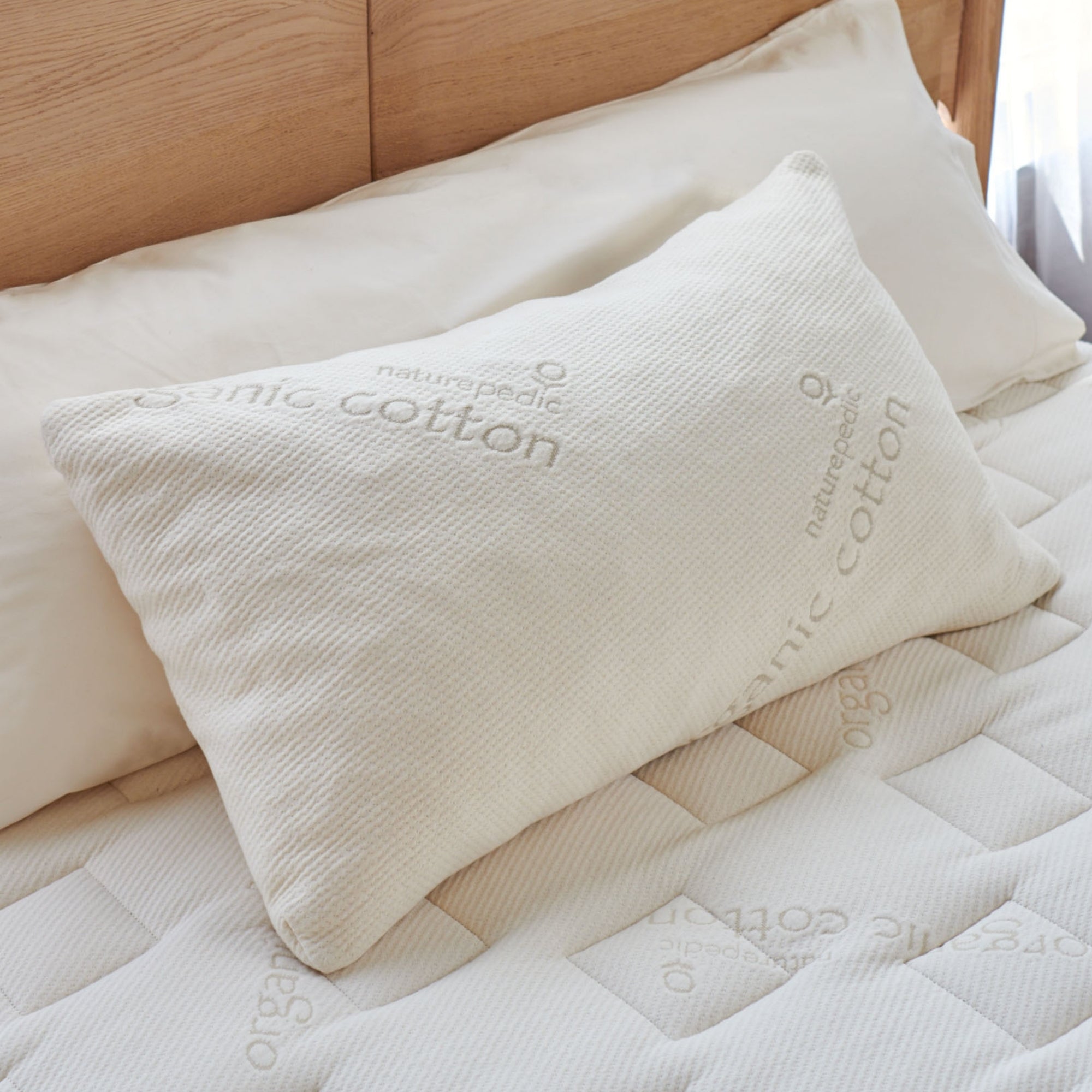
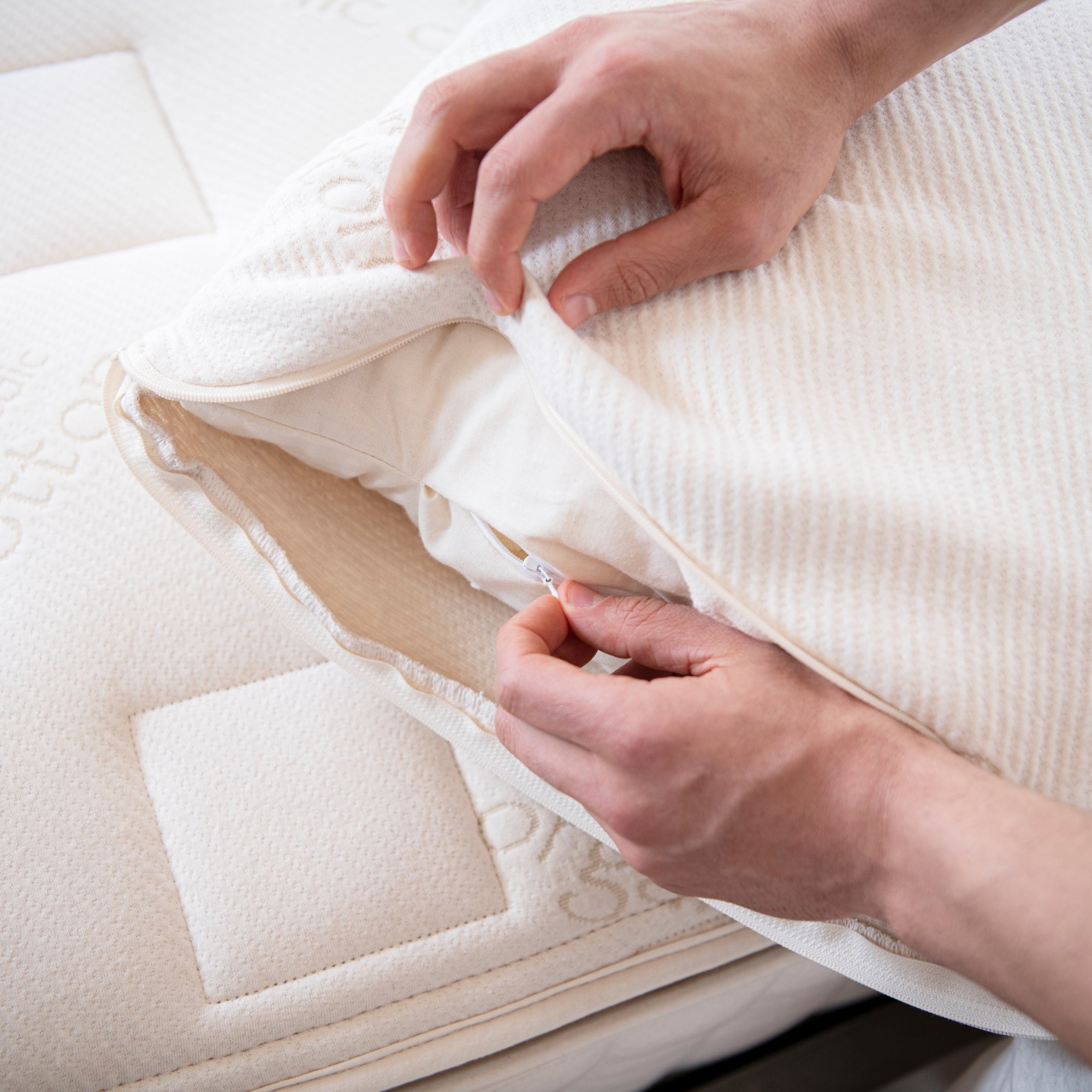
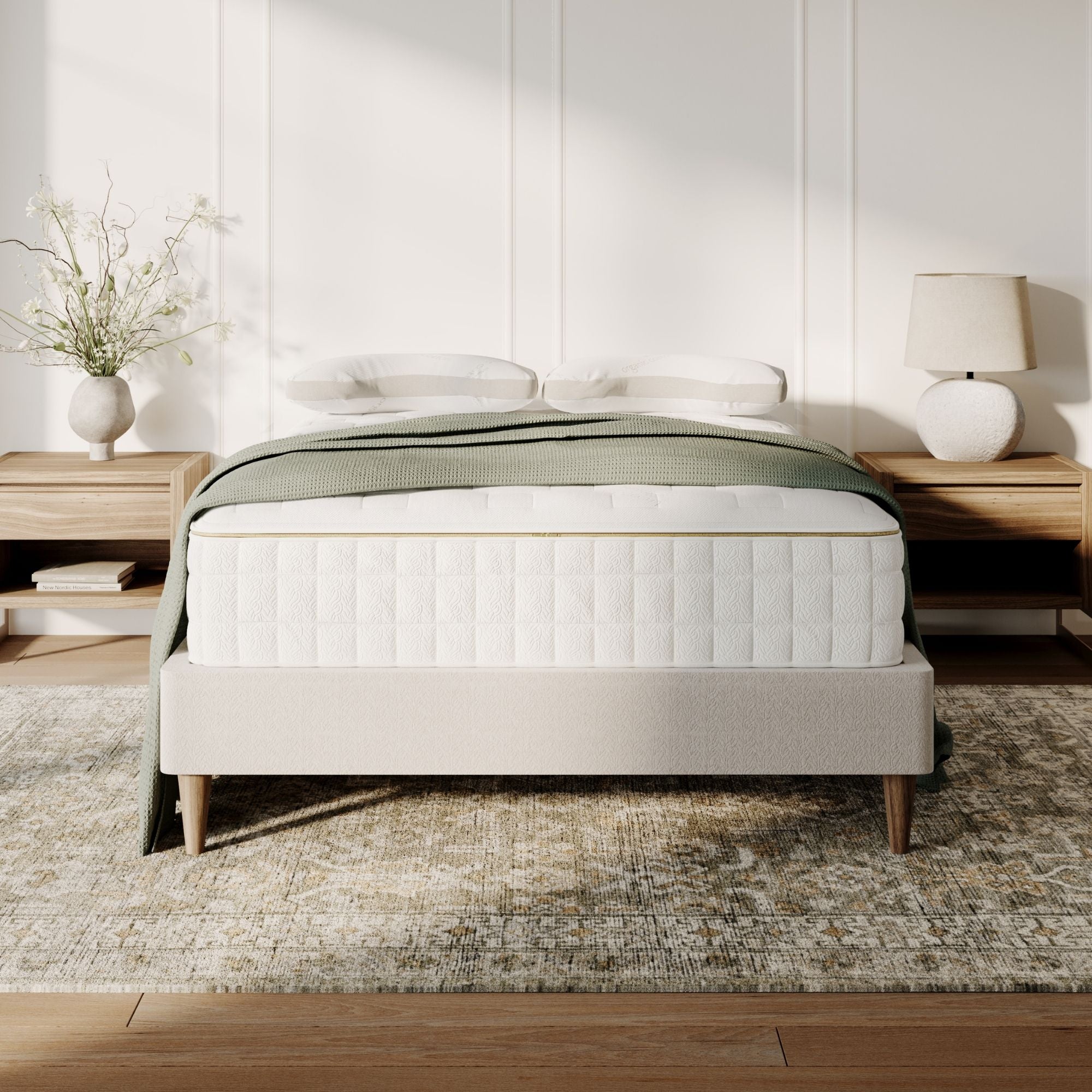
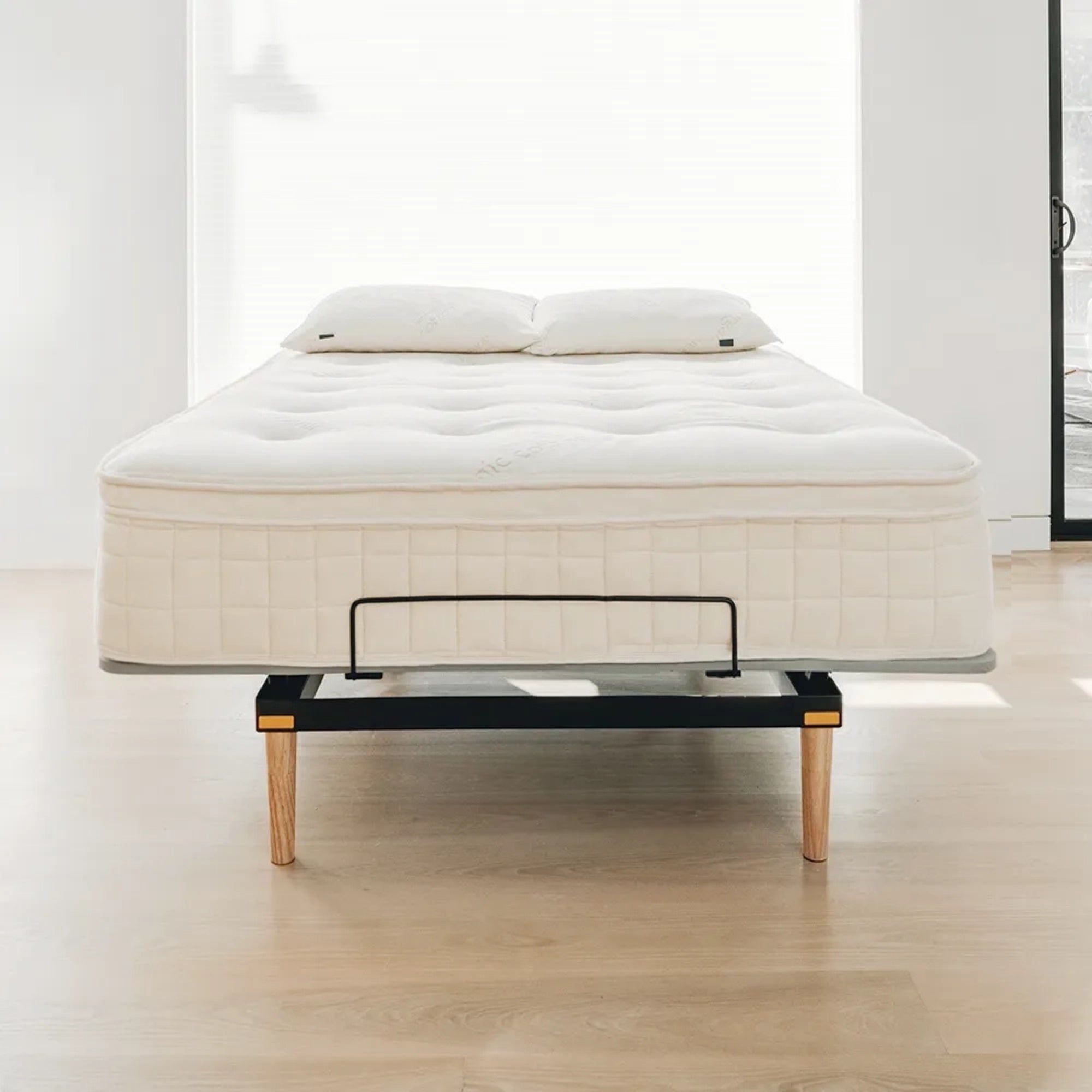
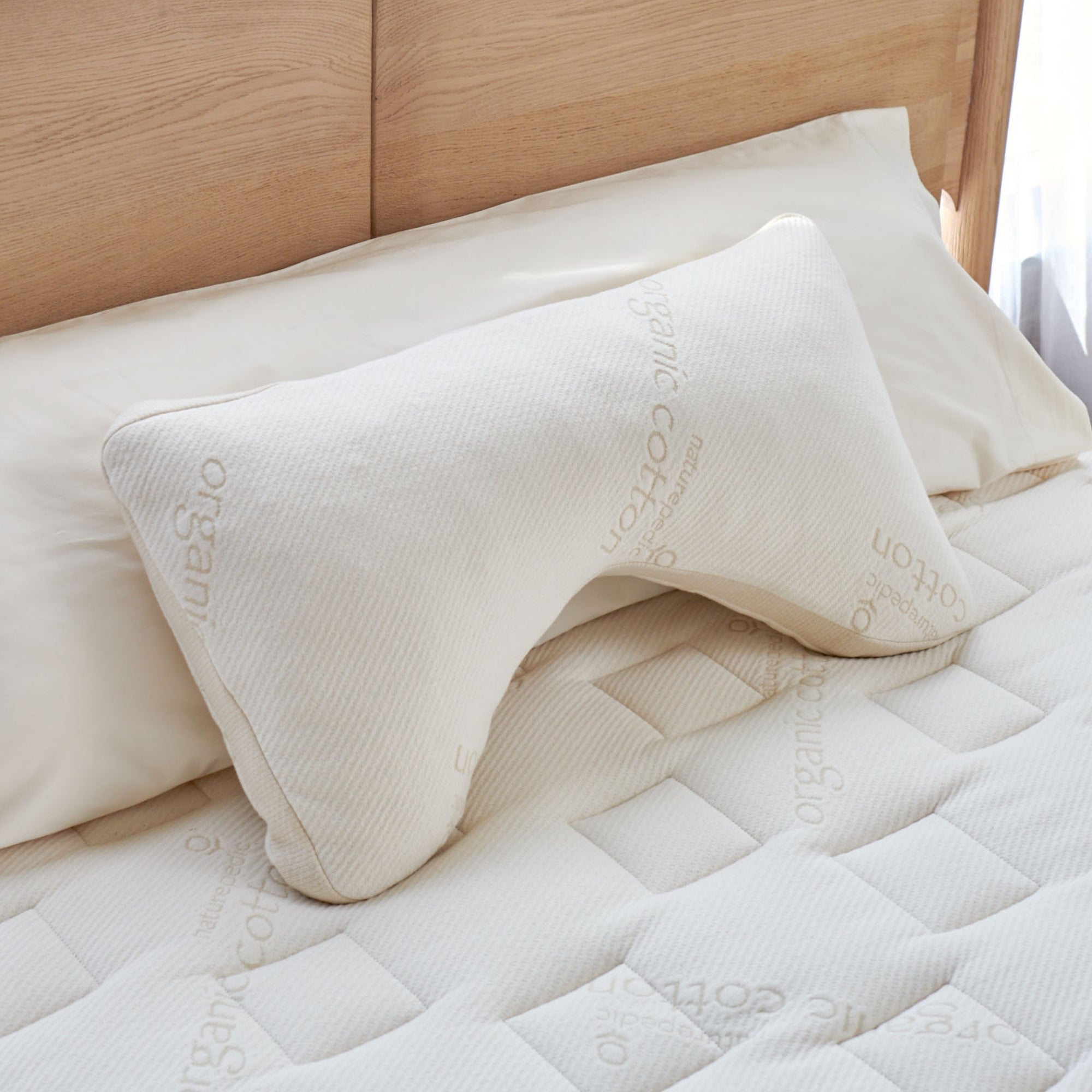
Your sleep environment plays an important role in helping your body unwind. A supportive mattress, breathable organic bedding, a cool room temperature, and fewer distractions can all contribute to a more comfortable night's sleep.
At Naturepedic, we believe thoughtfully designed mattresses and bedding made with certified organic materials can help create a cleaner, more comfortable sleep environment so you can focus less on chasing perfection and more on getting the rest your body needs.
Know When to Put the Tracker Away
For some people, taking a short break from sleep tracking can be surprisingly helpful. Stepping away from nightly metrics allows you to reconnect with your body's natural cues and evaluate your sleep based on how you actually feel instead of what an app reports.
Better Sleep Doesn't Require Perfect Sleep
Technology has made it easier than ever to learn about our health, but more information isn't always better if it creates unnecessary stress.
While technology can help you make informed decisions, your well-being shouldn't be measured solely by numbers. Sometimes the healthiest thing you can do is stop chasing perfection, trust your body, and simply let yourself sleep.
Have feedback on our story? Contact us to let us know what you think or visit our about us page to learn more!