

What are phthalates? Phthalates — the “everywhere chemical” — can be hard to pronounce, hard to spell, hard to locate, and even harder to make sense of.
Phthalates are chemicals commonly used to make plastics more flexible and durable, which is why they appear in everything from food packaging to personal care items to crib mattresses. The tradeoff, however, has led to growing questions around exposure and long-term impact.
In this guide, we’ll break down what phthalates are, where they’re found, how they may affect health, and how to identify phthalate-free alternatives.
Phthalates: Quick Facts
- What they are: Chemicals used to make plastics more flexible and durable
- Where they’re found: Vinyl products, food packaging, personal care items, and some mattresses
- Why they matter: Linked to potential hormone disruption and developmental concerns
- How exposure happens: Through air, dust, food contact, and skin absorption
- What to look for: Phthalate-free labels and materials that avoid PVC or vinyl
Note: This blog may contain links to Naturepedic products and promotional content where relevant to the topic discussed.
What Are Phthalates?
Phthalates are a group of chemical compounds commonly used as plasticizers in various industrial and consumer products. They are added to plastics to increase their flexibility, durability, and transparency, per the EPA.

Odorless, colorless, and highly versatile, some of the most commonly used phthalates include:
- Dioctyl phthalate (DOP)
- Diethyl phthalate (DEP)
- Diisodecyl phthalate (DIDP)
- Diisononyl phthalate (DINP)
- Di-n-butyl phthalate (DBP)
If, like us, you try to live by the maxim, “If you can’t pronounce an ingredient, don’t consume it,” that list above might look a little scary — and for good reason. Some phthalates, including DINP and DBP, have already been restricted by the Consumer Product Safety Commission (CPSC) due to studies showing the toxic and harmful effects of phthalates. However, these restrictions only apply to baby and children’s products (and for phthalates at levels greater than 0.1% by weight). Read more about the CPSC restrictions here.
Other phthalates may be just as toxic but, as yet, no action has been taken.
FAQ: How Do You Pronounce Phthalates?
Phthalates is pronounced “THAL-ates.” The “ph” is silent, which is why the word looks more complicated than it sounds.
What Are Phthalates Found in?
Phthalates show up in far more places than most people realize. Because they’re used to make plastics more flexible and to help fragrances last longer, they’ve become common in both household items and personal care products.

You’ll often find phthalates in:
And that list only scratches the surface. Because phthalates are used across so many industries, they’ve become a common part of everyday products and often in places you wouldn’t expect.
How Does Phthalate Exposure Happen?
Because phthalates are used in so many everyday products, exposure can happen more easily than most people realize.

People can be exposed through ingestion, inhalation, and skin contact. In practical terms, that means phthalates can enter your body through:
- Food and drink: when phthalates migrate from plastic packaging or processing equipment
- Air and dust: as phthalates slowly escape from products like flooring, furniture, or synthetic materials
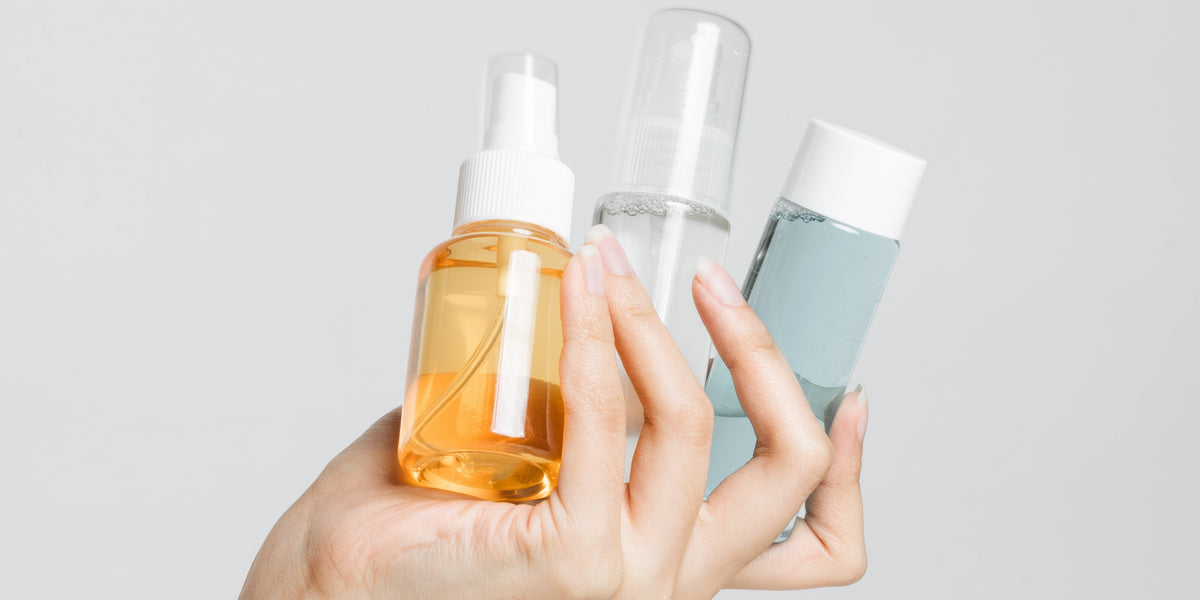
- Skin contact: through personal care products like lotions, cosmetics, and fragrances
Unlike some chemicals, phthalates are not chemically bound to the materials they’re added to. Over time, they can move out of those products and into the surrounding environment, settling into household dust, circulating in the air, or transferring through direct contact.
This constant, low-level exposure is part of why phthalates are often described as “everywhere chemicals.” Even small, repeated interactions with phthalate-containing products can add up over time.
Why Are Phthalates Harmful?
Phthalates have been studied for their potential impact on human health, particularly their ability to interfere with the body’s endocrine system, the network of glands and hormones that regulate growth, development, and reproduction.

Risks of Phthalates Exposure
According to the EPA, some phthalates are classified as endocrine disruptors, which means that they can mimic or interfere with the body’s natural hormones. Research has linked certain phthalates to:
- Hormonal disruption: which may affect reproductive health and development
- Developmental concerns: particularly in infants and children during critical growth stages
- Reproductive effects: including impacts on fertility and pregnancy outcomes
- Respiratory issues: with some studies suggesting links to asthma and allergies
A 2025 review of current research by RTI International, a nonprofit research institute, determined that even with current alternatives and regulation, phthalate exposure is widespread, which makes even small, repeated exposures worth understanding, especially over time.
Who Is Most Vulnerable?
While phthalate exposure can affect anyone, some groups may be more sensitive to its effects:
- Pregnant women: due to potential impacts on fetal development
- Infants and children: whose bodies are still developing
- People with frequent product exposure: such as through personal care or occupational environments
Because development happens so rapidly during early life, even low-level exposures during these stages are often studied more closely.
What About Regulations?
In the U.S., certain phthalates have been restricted in children’s products by the CPSC, particularly at levels above 0.1% in items like toys and child care articles.
However, not all phthalates are regulated equally, and restrictions can vary depending on the product category. In some cases, similar chemical substitutes may be used in place of restricted compounds.
Are Phthalates Harmful to the Environment?
Phthalates can leach into the environment, contaminating soil, water, dust, and even the air. They are not persistent in the environment, as they break down easily, but they are released into the environment at high enough levels to be concerning, especially due to their known endocrine-disrupting properties, which can harm wildlife and ecosystems.

Phthalates have been linked to reproductive and developmental issues in aquatic organisms, disrupting the delicate balance of ecosystems. The phthalate DBP has been linked to the decline of amphibian species even when found in low concentrations. And as mentioned, the accumulation of phthalates in the environment can pose risks to human health when they enter the food chain.
So, Why Are Phthalates Used in Crib Mattresses?
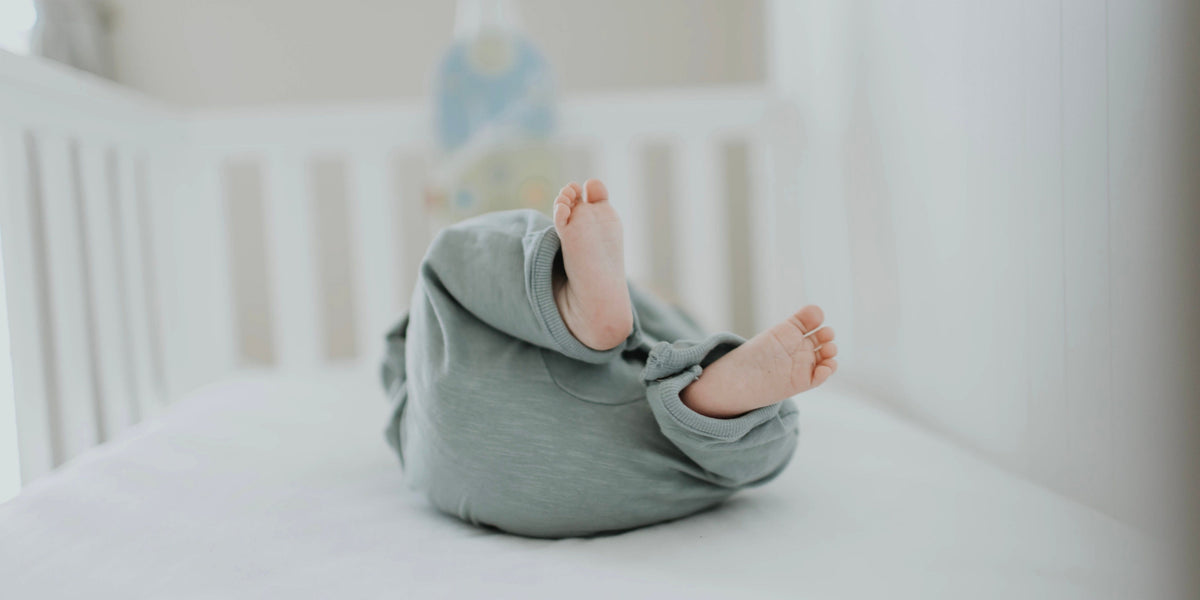
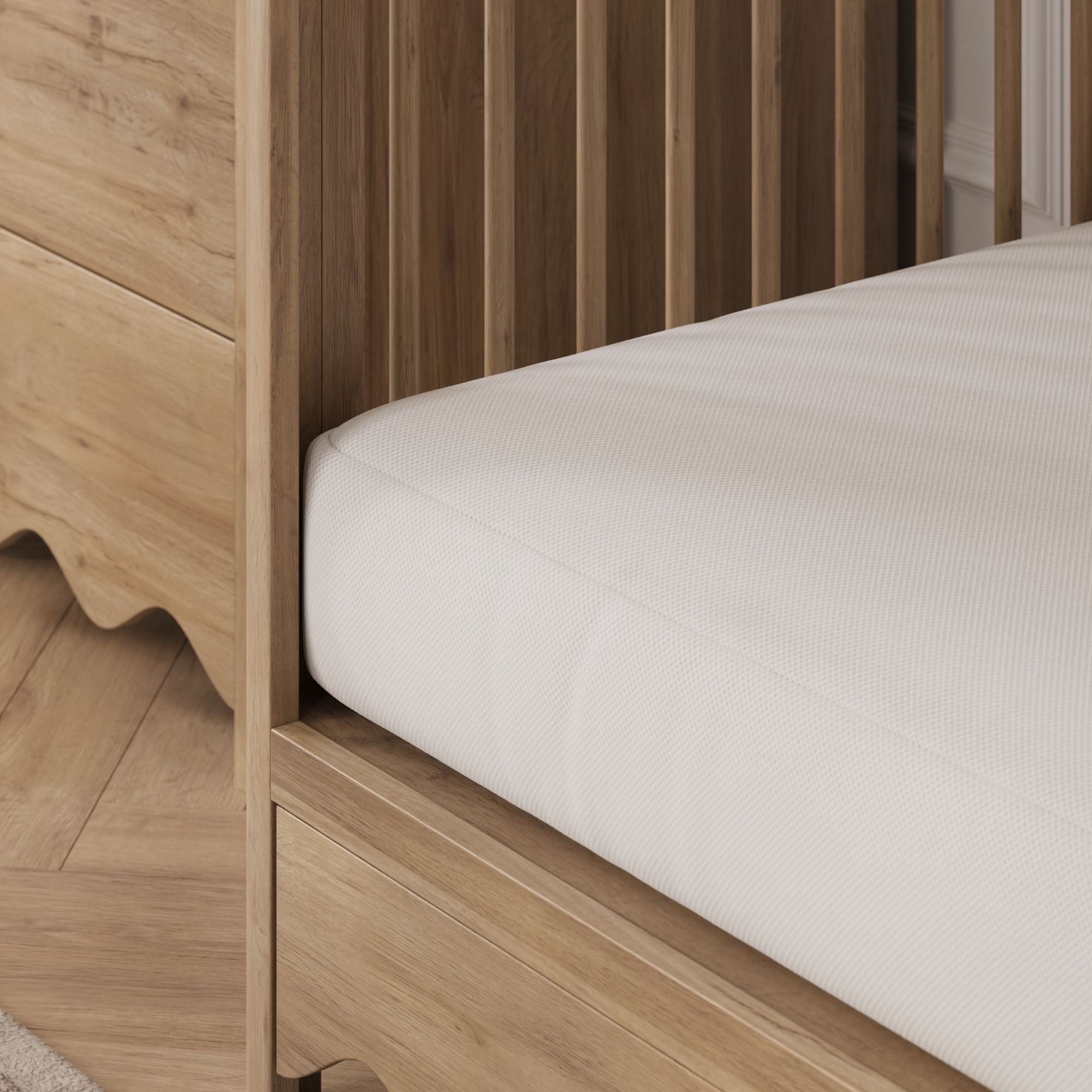
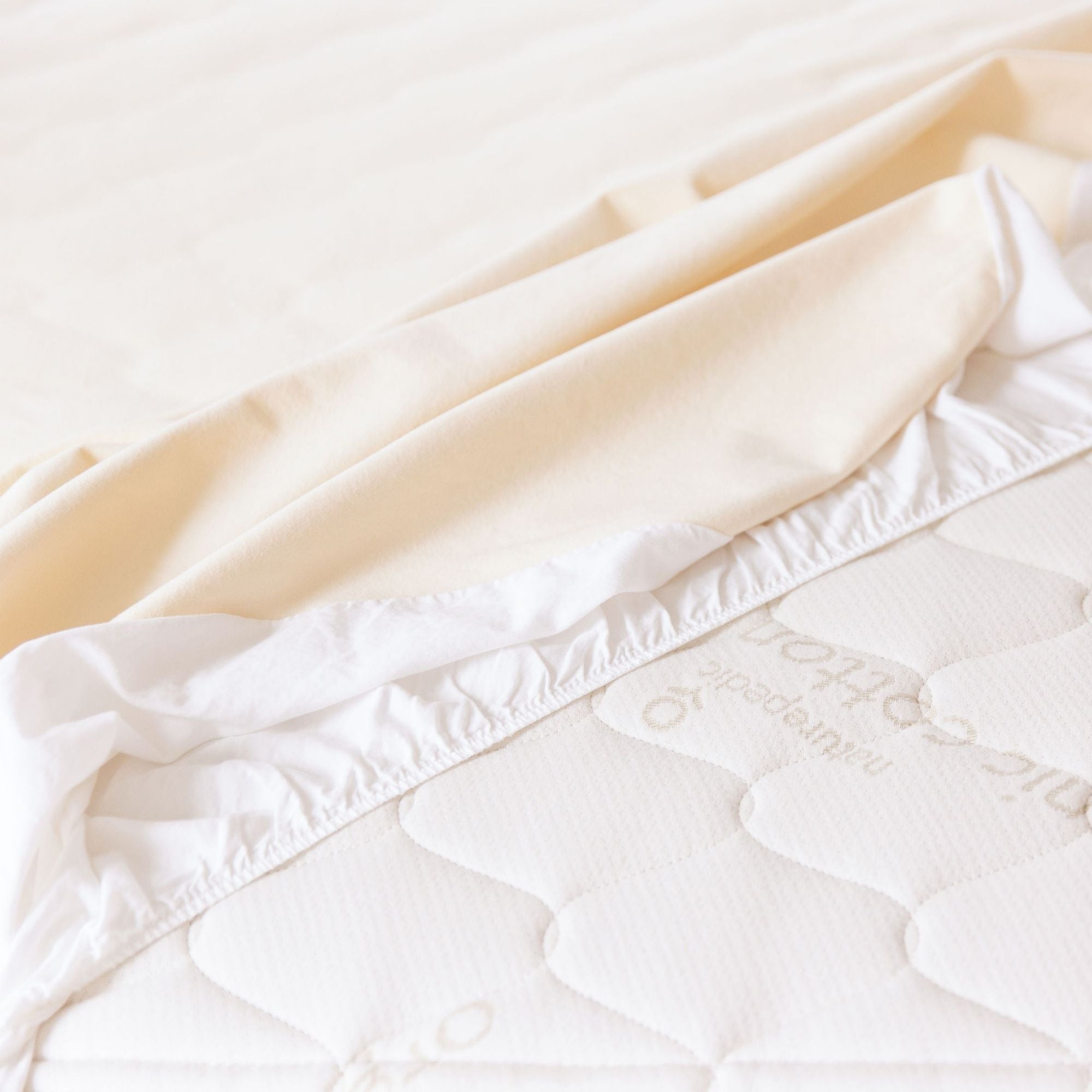
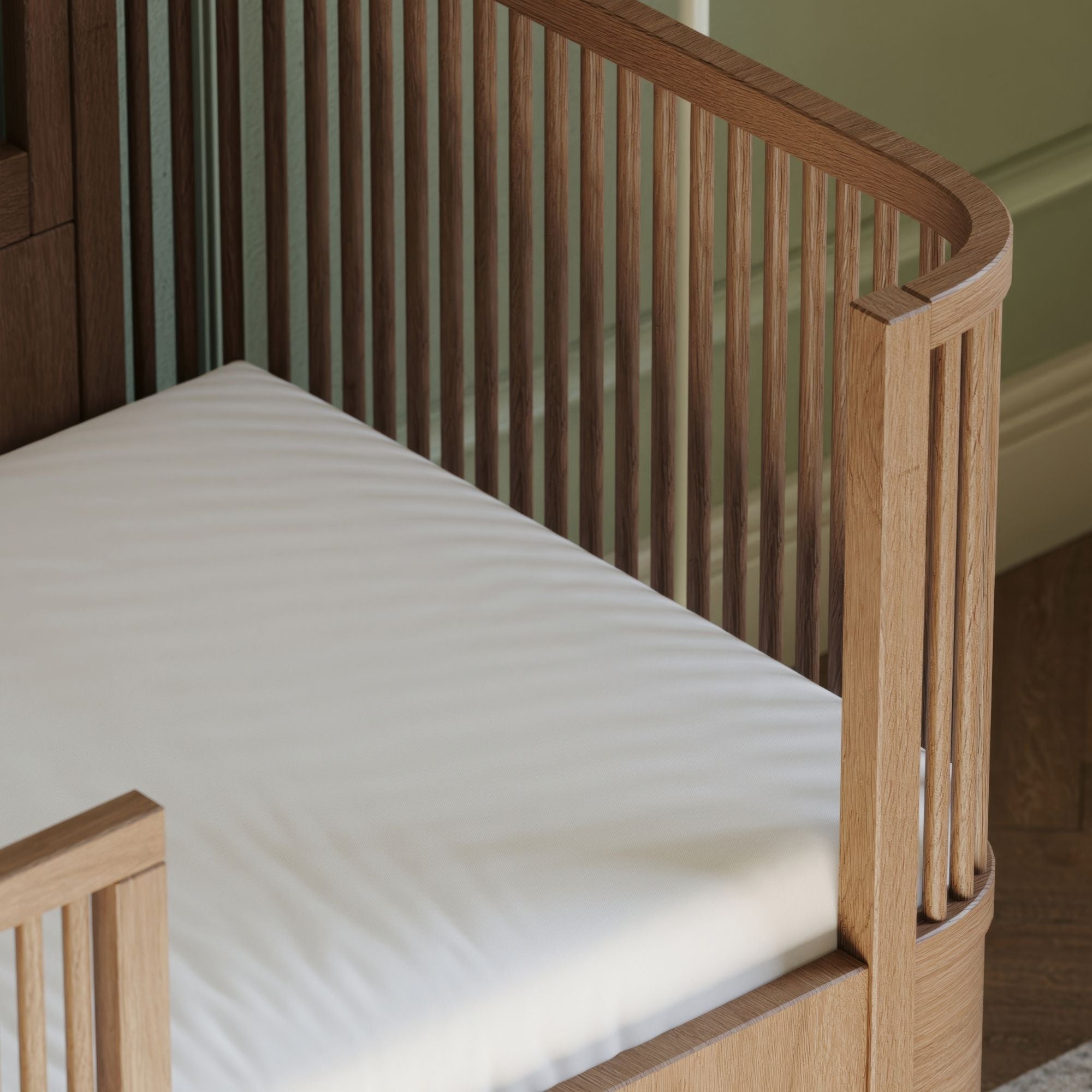
Phthalates are most commonly used in crib mattresses as part of vinyl (PVC) waterproof covers. These materials are popular because they’re inexpensive, flexible, and effective at preventing liquids from soaking into the mattress.
Waterproofing is highly important in crib mattresses. A crib mattress needs to stand up to everyday messes like diaper leaks, spit-up, and spills. Without a waterproof barrier, moisture can seep inside the mattress and allow mold, bacteria, and odors to develop over time, which isn't safe for a baby.
But phthalates aren't safe either — so why use them? In many conventional mattresses, phthalates are added to vinyl, a cheap waterproofing material, to make it softer and more flexible. This helps manufacturers create a waterproof surface at a lower cost, which can make the final product more affordable.
However, this approach comes with trade-offs. Babies spend so much time sleeping — up to 18 hours a day as a newborn — which is a large amount of time to be directly exposed to phthalates, especially for a vulnerable population.

How an Organic Crib Mattress Can Help
A waterproof crib mattress plays an important role in maintaining a clean and hygienic sleep environment. But how that waterproofing is achieved is an important detail.
While many conventional crib mattresses rely on vinyl (PVC) and added plasticizers like phthalates, Naturepedic takes a different approach.
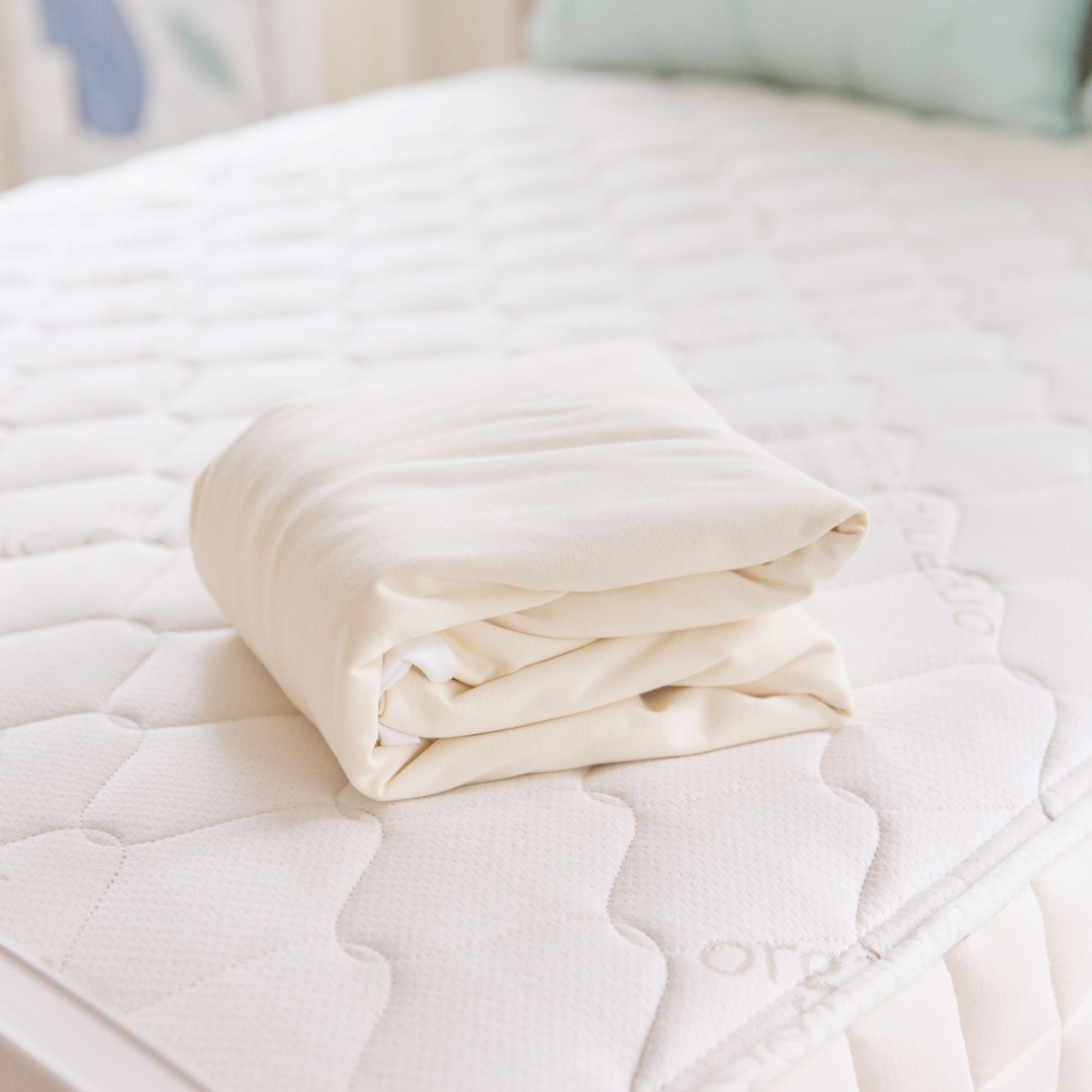
We use a food-grade polyethylene waterproof layer made from non-GMO sugarcane. This creates an effective barrier against moisture, while avoiding the need for flexible vinyl materials and the phthalates they often come with.
For parents, that means you don’t have to choose between a more hygienic mattress and a chemically safer mattress — you can have both.
Don't Sleep With Phthalates
Phthalates are part of modern life found in everything from everyday products to the materials used in our homes. While it’s nearly impossible to avoid them entirely, understanding where they show up and how they’re used can help you make more informed decisions. And few places matter more than where you sleep.
Your bedroom is where your body rests, resets, and recovers for hours at a time, every single night. The materials you bring into that space, especially those closest to your body, can play a meaningful role in your overall health.
Have feedback on our story? Contact us to let us know what you think or visit our about us page to learn more!
This article or parts of this article may have been created with the support of AI tools. All Naturepedic content is thoroughly reviewed and edited by our team to ensure accuracy.