

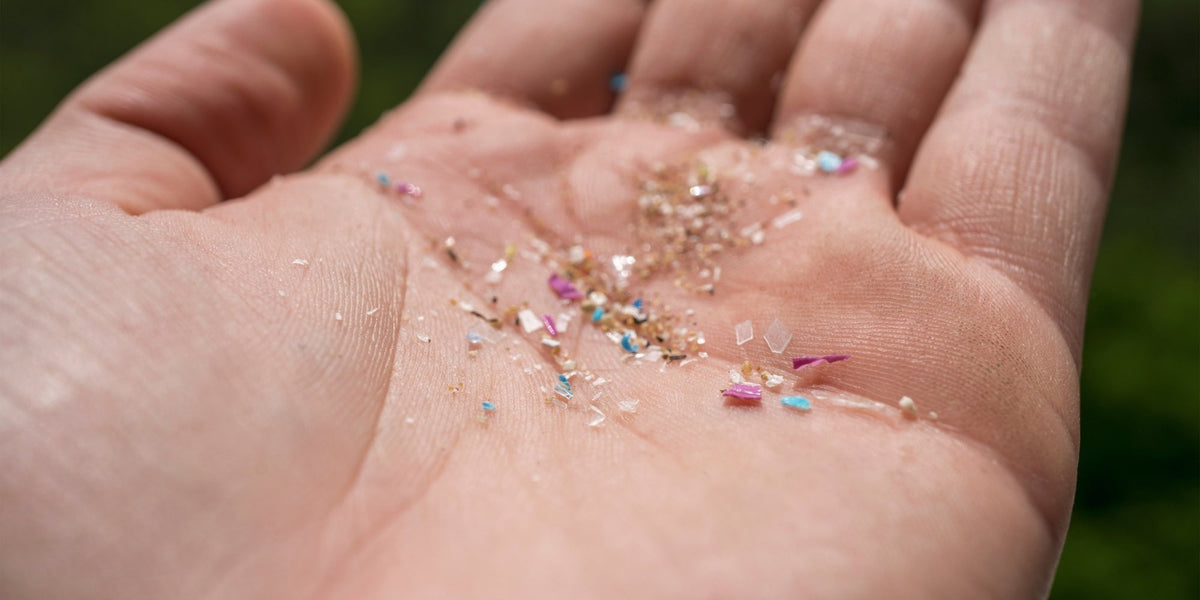
Microplastics are a growing environmental and health concern, and they’re likely closer to home than you want. These tiny plastic particles can be found in everyday household items and are increasingly infiltrating our air, water, and food supplies. The good news is that with some mindful changes, it’s possible to reduce your exposure.
Here’s how to avoid microplastics at home, so you can enjoy a cleaner, healthier living environment.
How to Avoid Microplastics at Home: Key Points
- Replace plastic household items with glass, stainless steel, wood, ceramic, or other durable alternatives when practical.
- Choose natural textiles such as organic cotton, linen, and wool instead of polyester, acrylic, and nylon.
- Reduce microfiber shedding by washing synthetic clothing less often, using cold water, and adding a microfiber-catching bag or washing machine filter.
- Check cleaning and personal care products for plastic ingredients, including polyethylene and polypropylene.
- Filter drinking water and reduce plastic packaging to limit additional sources of microplastic exposure at home.
Note: This blog may contain links to Naturepedic products and promotional content where relevant to the topic discussed.
What Are Microplastics?
Microplastics are tiny plastic particles, typically less than five millimeters in size. They come in two forms. The first are small plastic fragments that result from the breakdown of larger plastic materials, like water bottles and synthetic fabric. The second are intentionally manufactured plastic particles, like in exfoliating scrubs and toothpaste. They’re all non-biodegradable, which means they stay in the environment for a long time.

These particles are everywhere. They can be found in oceans, soil and even the air we breathe. They are easily ingested by wildlife, where they enter the food chain and are ingested by humans. And given their microscopic size, they can easily make their way into our homes, too.
Are Microplastics Harmful?
The potential harm from microplastics is a subject of ongoing research, but early studies suggest they pose a significant threat to both human health and the environment.
Microplastics can carry toxic chemicals, which could be ingested or inhaled. Research indicates that when consumed, these particles can accumulate in our bodies, potentially causing inflammatory responses and disrupting the endocrine system. Inhalation of microplastics may also contribute to respiratory issues.
Additionally, microplastics have been found in almost every ecosystem on the planet. Because they’re persistent, microplastics contribute to the pollution of land, water and air — affecting wildlife and natural habitats.
7 Ways to Avoid Microplastics at Home
Given the above risks, many are looking for ways to limit exposure to microplastics.

Here are seven practical steps you can take to reduce microplastics in your home.
1. Swap Out Plastic Household Items for Natural Materials
Household items like plastic utensils, containers, and kitchenware are some of the most common culprits for releasing microplastics, especially when exposed to heat. As your plastic-based products wear out, replace them with their more natural, sustainable alternatives. Opt for glass, stainless steel, or silicone food containers. Switch to bamboo, wood, or stainless steel kitchen utensils. Avoid non-stick cookware altogether because of its plastic coating and choose cast iron, stainless steel, or ceramic instead. Together these swaps will cut down on the microplastics in your home.
2. Choose Natural Textiles for Bedding, Clothing and Upholstery
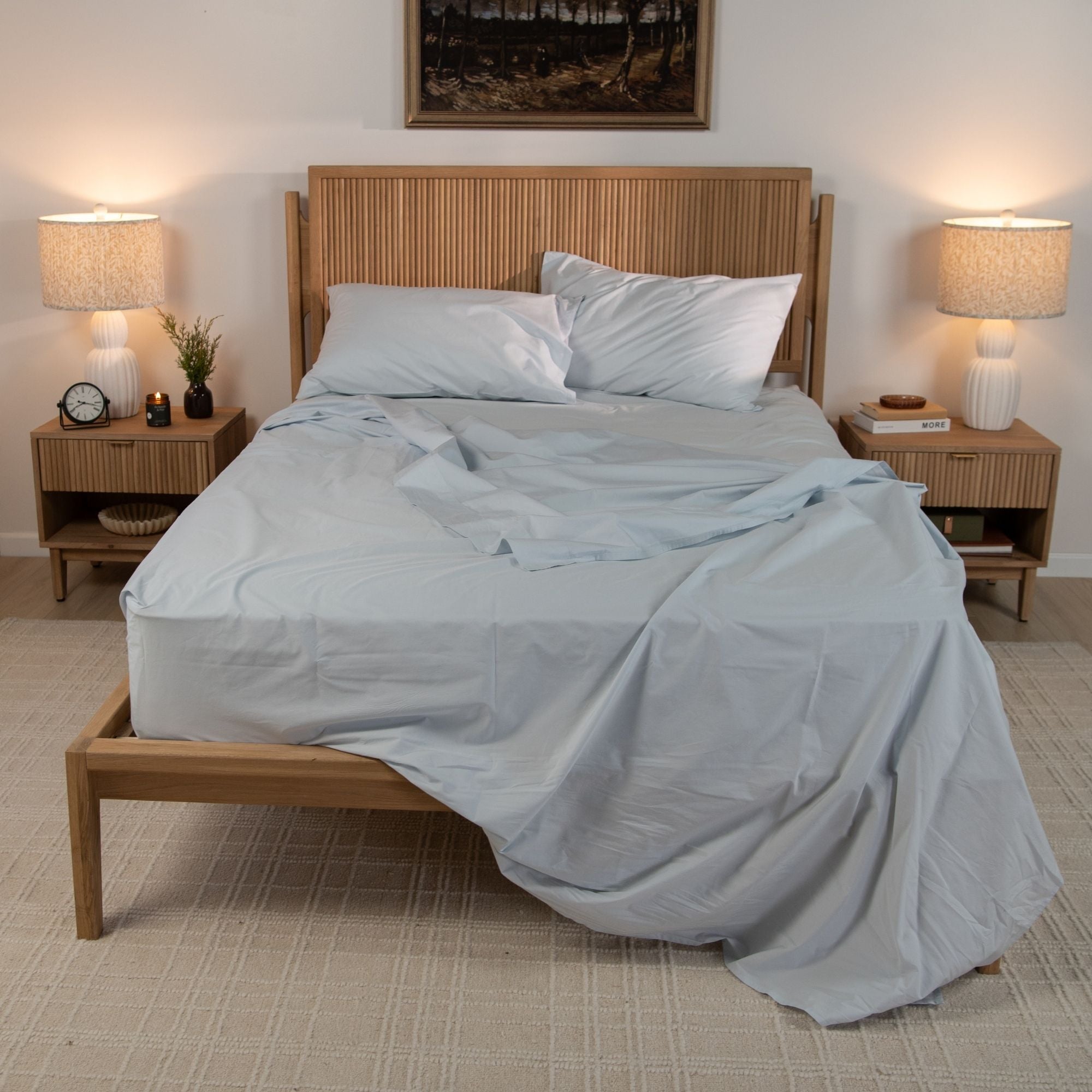
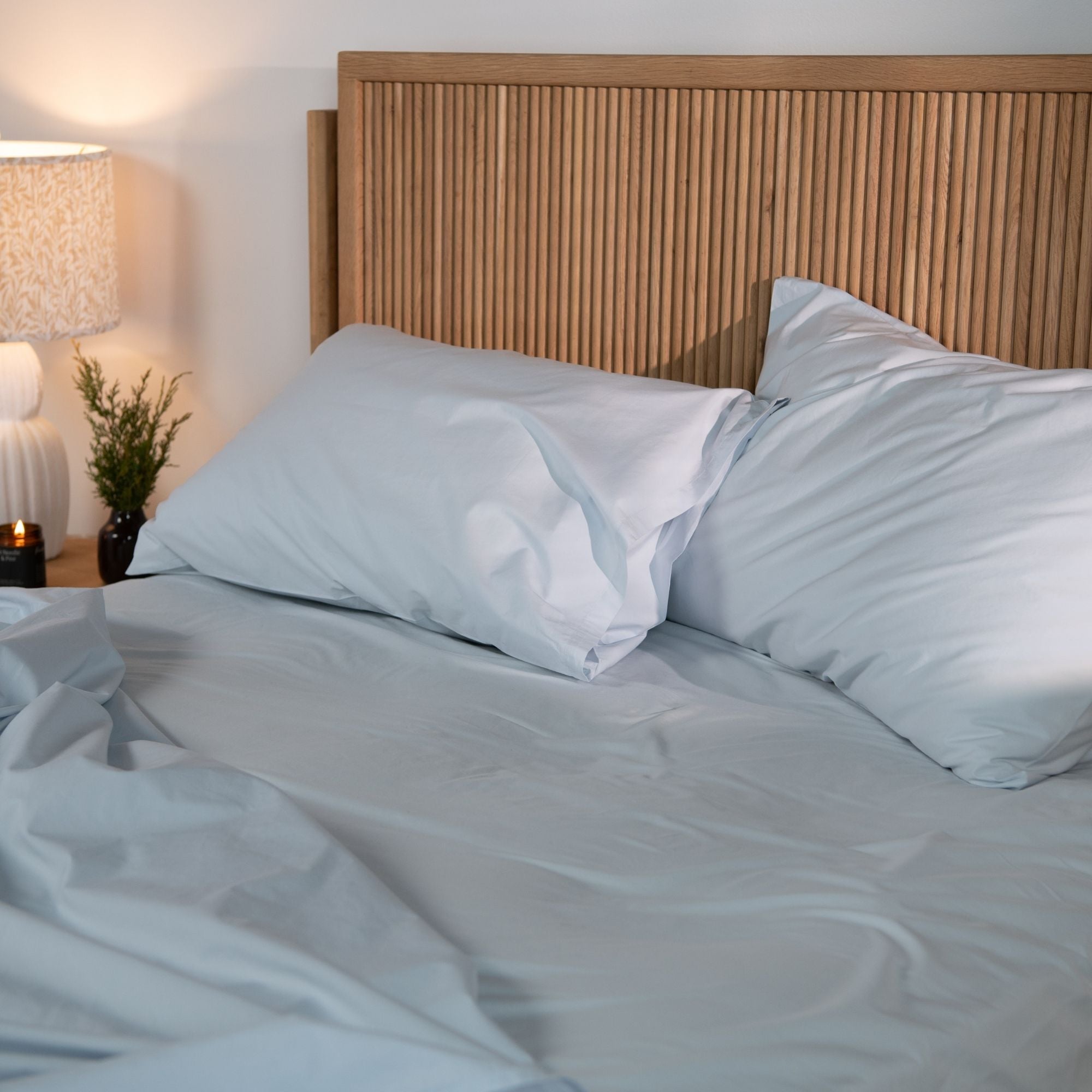
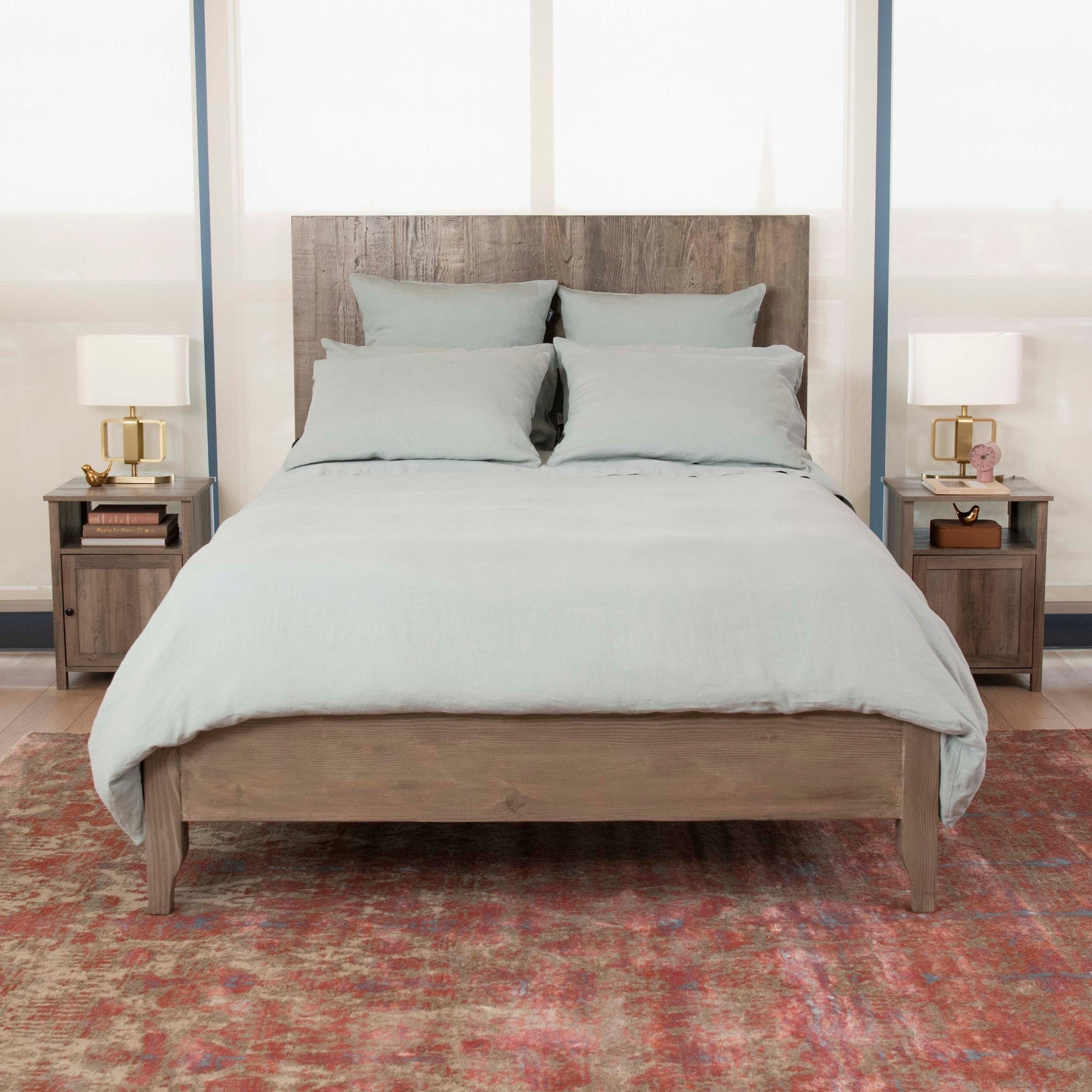
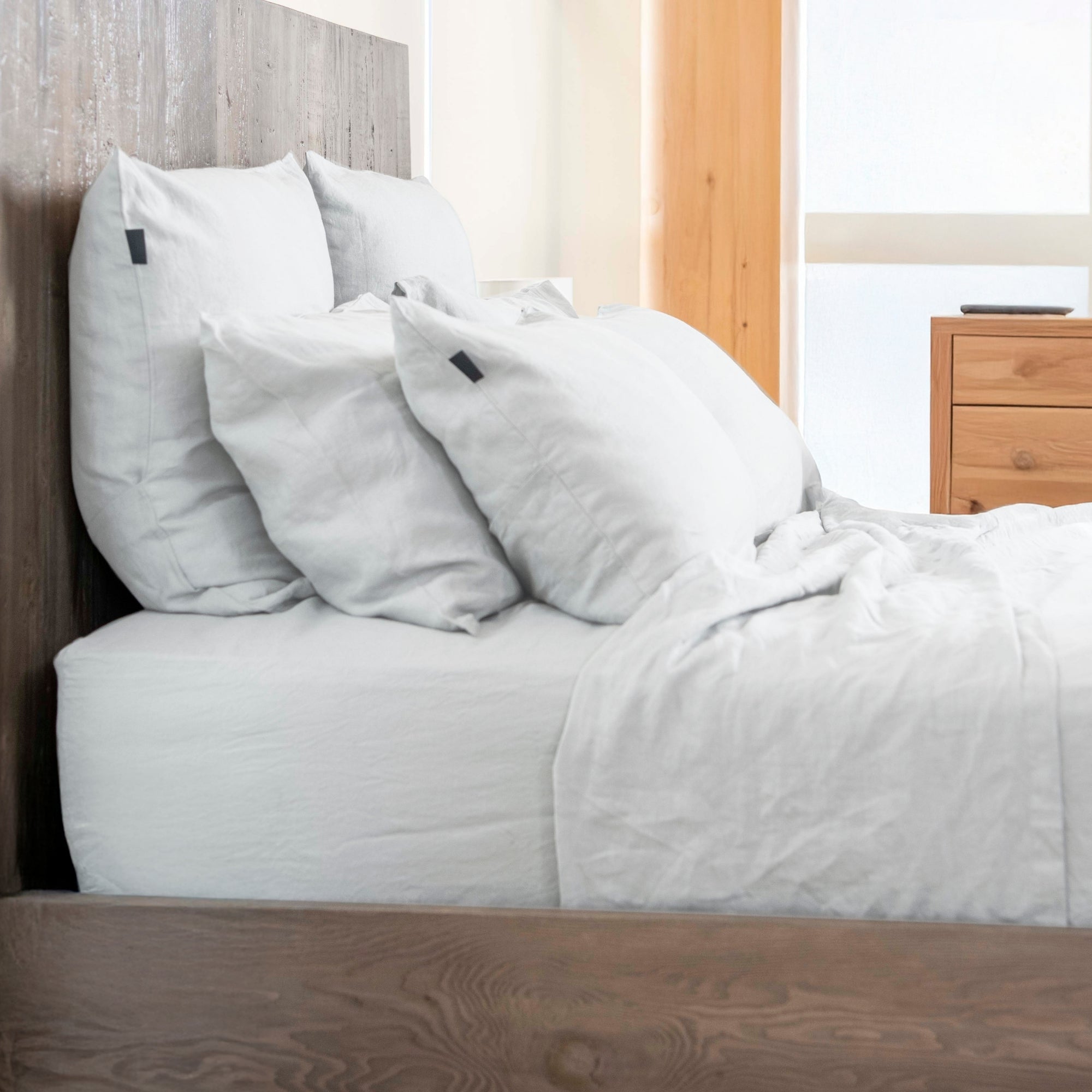
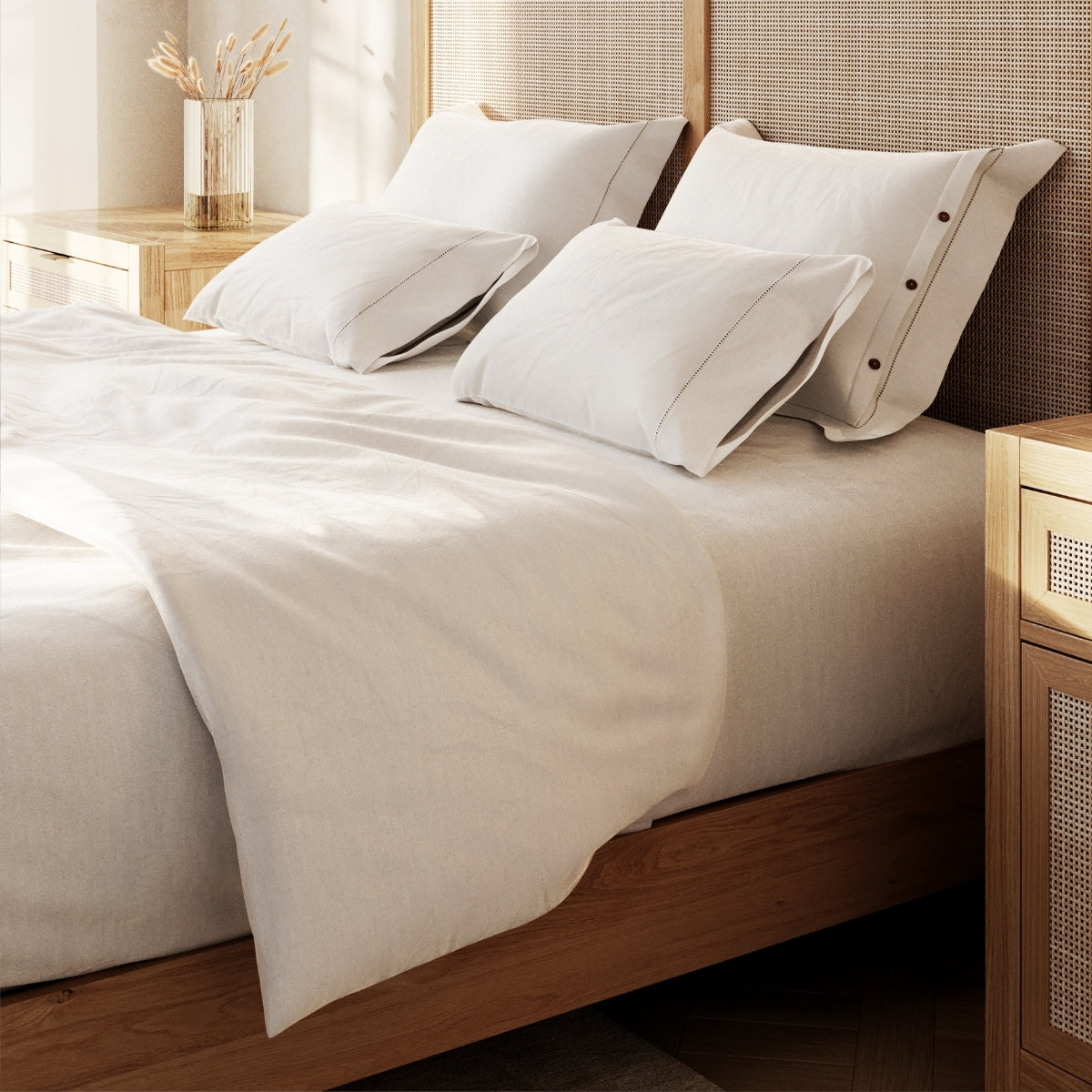
Synthetic fabrics like polyester, acrylic, and nylon shed tiny microplastic fibers each time they are washed. Instead, opt for natural textiles in your bedding, clothing, and upholstery. Options like organic cotton, linen and wool are made from renewable resources instead of plastics. Switching to natural textiles not only reduces your exposure to microplastics, but these materials also offer improved breathability and comfort.
3. Limit Synthetic Fiber Clothing and Use a Washing Machine Filter
As mentioned, synthetic fabrics are a major source of microplastic pollution. Each time you wash synthetic clothing, tiny fibers break off and enter the water system.
Limiting the purchase of synthetic clothing can help, but for the garments you already own, here are additional steps you can take:
- Use a washing bag designed to catch microfibers released during washing.
- Install a washing machine filter designed to trap microplastics before they drain into the water system.
- Wash clothes less frequently or use cold water since heat accelerates fiber shedding.
By being mindful of how often and how you wash synthetic clothing, you can significantly reduce microplastic pollution.
4. Opt for Organic Mattresses and Bedding
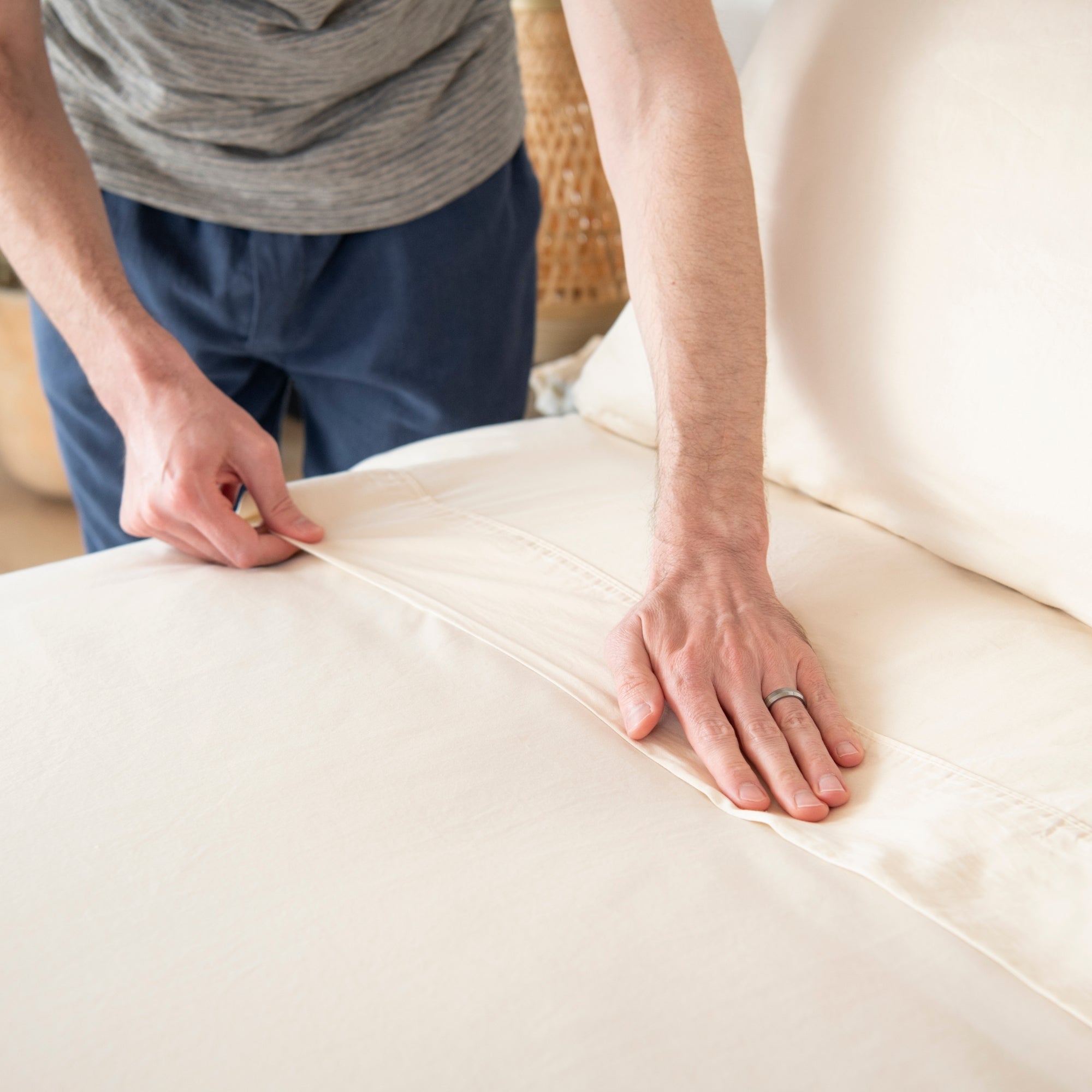
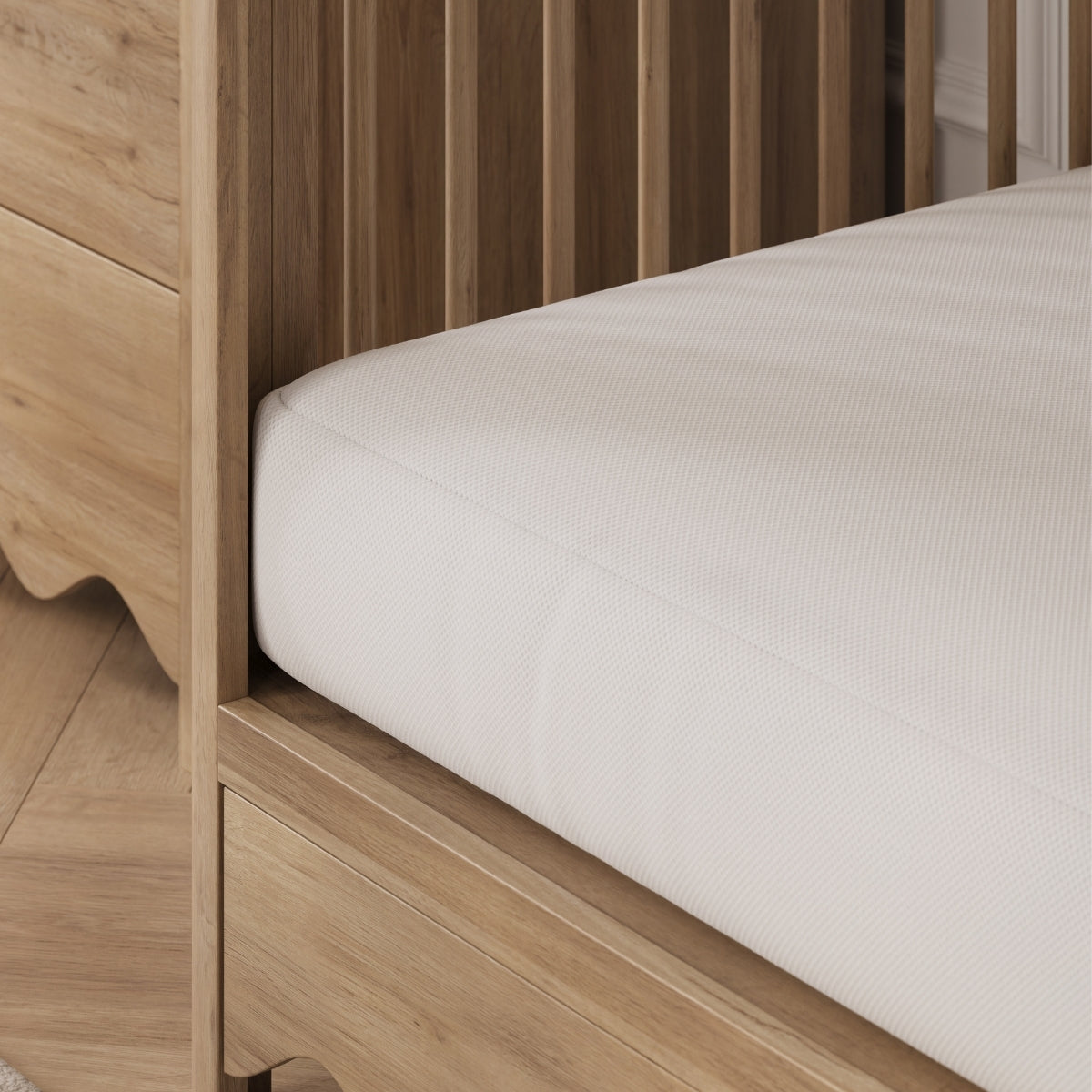
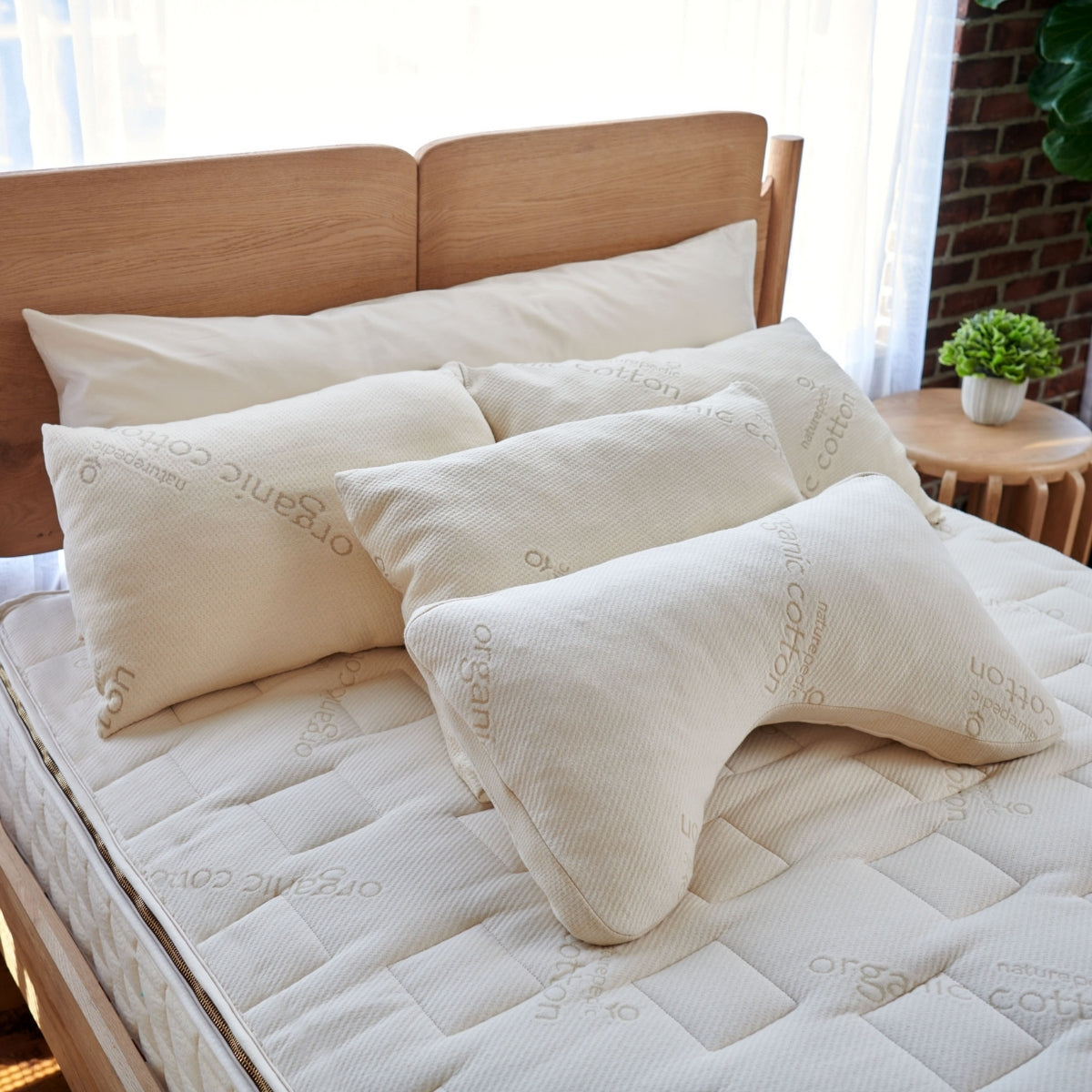
Your mattress and bedding may be significant sources of microplastic shedding if they contain synthetic materials like memory foam, polyester, or polyurethane. Choosing organic sleep essentials made from natural fibers can drastically reduce the presence of microplastics in your bedroom. Naturepedic offers organic mattresses made from GOTS-certified cotton, latex, and wool. These materials reduce the presence of microplastics in your home and provide a healthier sleeping environment, too.
5. Reduce Microplastics in Cleaning and Personal Care Products
Microplastics are often hidden in personal care products and household cleaners. They can be found in either the formula itself or the container they’re sold in. These can include exfoliating scrubs, toothpaste, and even detergents.

Here are some tips for reducing microplastics in cleaning and care products.
- Check the label for ingredients such as polyethylene and polypropylene.
- Choose natural exfoliants like pumice stone, bentonite clay, bamboo, and jojoba beads in personal care items.
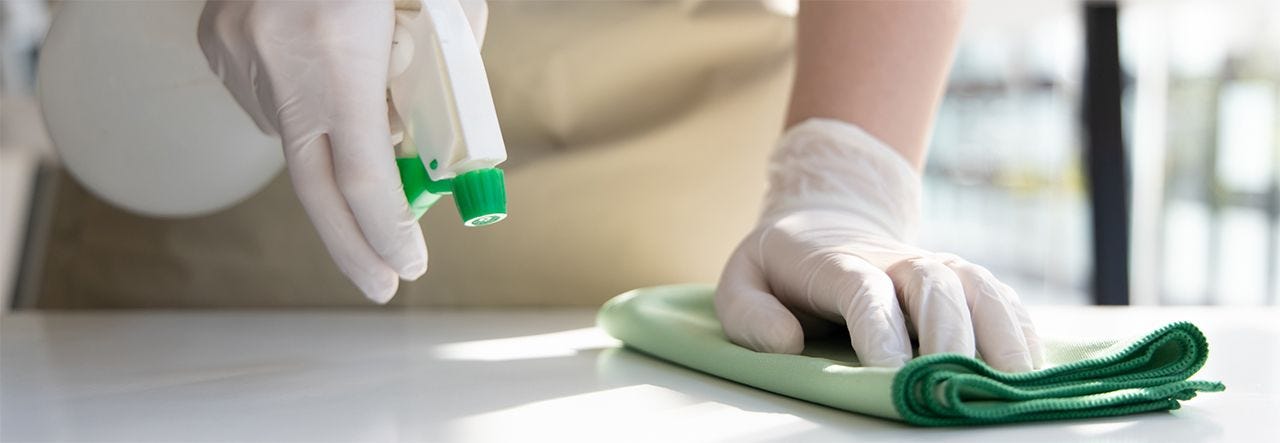
- Choose EWG Verified® cleaning products or make your own with natural ingredients like vinegar and baking soda.
Switching to natural alternatives is a simple way to reduce your daily exposure to microplastics.
6. Filter Your Water
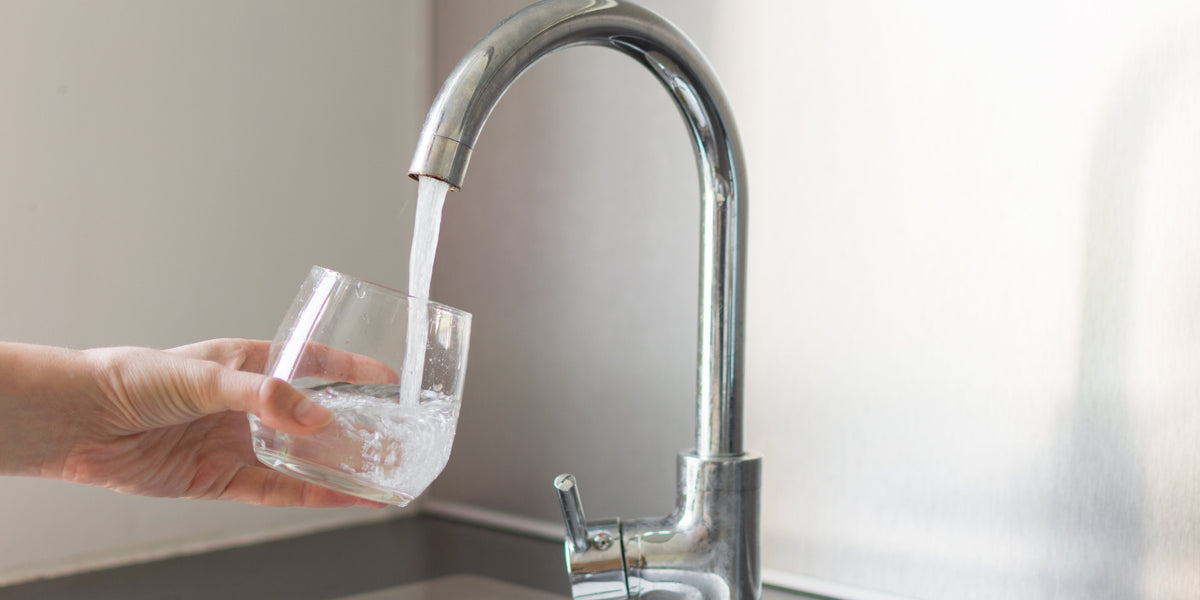
Microplastics have been found in tap water worldwide, so filtering your water is an essential step in reducing exposure. Also, consider eliminating single-use water containers from your home since they are made of plastic. Filtering your water helps ensure cleaner water, reducing the potential for microplastic ingestion.
7. Be Mindful of Packaging
Plastic packaging is a major source of microplastic pollution. From food containers to product packaging, many items we buy come wrapped in plastic, which often ends up shedding microplastics. Reduce your use of plastic packaging by buying products in bulk, choosing items packaged in glass, metal, or cardboard, and bringing reusable containers when grocery shopping. Making these changes can significantly reduce the amount of plastic waste and microplastics entering your home.
Conclusion
Microplastics may be everywhere, but with some conscious lifestyle changes, you can limit their presence in your home and reduce their impact on your health and the environment. Interested in learning more about what makes a mattress sustainable? Check out our blog.
Have feedback on our story? Contact us to let us know what you think or visit our about us page to learn more!