


Recycling may seem simple — blue bin, done. But with constantly changing rules, confusing labels, and wishcycling (tossing something in and hoping it gets recycled), even the most eco-conscious households can get it wrong.
This guide breaks down the basics of recycling correctly, why it matters more than ever, and how small changes at home can lead to big environmental wins.
How to Recycle Right: Key Points
- Check local recycling rules because accepted materials vary by city, hauler, and processing facility.
- Keep contaminants out of the bin by emptying and rinsing containers and avoiding food-soiled items, plastic bags, and other materials your program does not accept.
- Do not wishcycle. When you are unsure about an item, look it up instead of placing it in the recycling bin and hoping it will be accepted.
- Use special collection programs for batteries, electronics, textiles, mattresses, light bulbs, and household hazardous waste.
- Reduce and reuse before recycling whenever possible, especially when it comes to plastic and excessive packaging.
Note: This blog may contain links to Naturepedic products and promotional content where relevant to the topic discussed.
Why Recycling Right Is So Important
That “feel good” feeling you get when you recycle is great, but it’s not what recycling is really about. And if you're causing more harm than good, why recycle at all?

When items are placed in the wrong bin or aren’t prepared properly, the consequences ripple far beyond your curb. Food-soiled containers can contaminate clean recyclables, sending entire batches to the landfill and entirely disrupting the recycling stream. Plastic bags can jam sorting machinery, leading to costly delays. And wishcycling wastes energy and resources when non-recyclable items are processed only to be discarded later. The difference between "feeling good" recycling and "doing good" recycling is all in the details.
Recycling correctly also plays a role in reducing our reliance on new materials, especially plastic. Most plastics are made from fossil fuels, and only a small percentage are ever successfully recycled. The rest piles up in landfills, litters oceans, and harms wildlife. While recycling helps, cutting back on plastic use in the first place is the most powerful step we can take.
The Plastic Problem
Plastic might seem like the ultimate recyclable material, but the reality is far more complicated. While we’re encouraged to toss plastic bottles and containers into the blue bin, most plastic actually isn’t recyclable through standard curbside programs. Many items — from plastic bags and straws to certain food containers — either contaminate recycling streams or can’t be processed at all. Even when plastics are technically recyclable, they often end up in landfills or incinerators because of sorting challenges and a lack of proper facilities. This disconnect between perception and reality makes plastic one of the trickiest materials to handle sustainably and highlights the importance of reducing plastic use in the first place.
What Belongs in the Recycling Bin (and What Doesn’t)
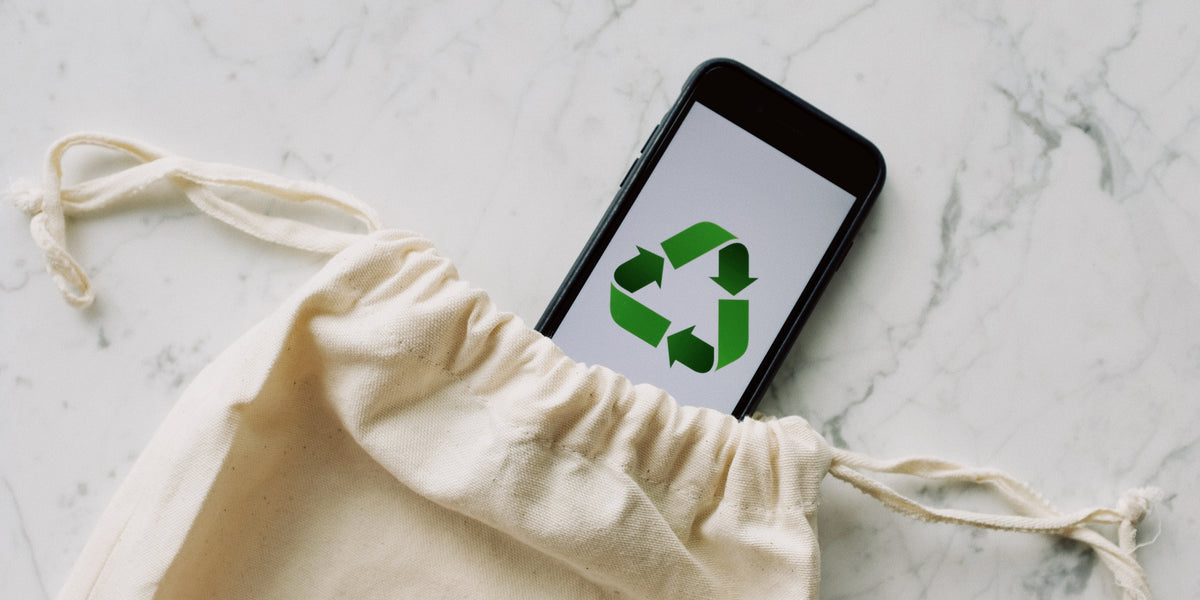
That familiar recycling triangle doesn’t always mean an item is accepted in your local program. The symbol simply means the material is technically recyclable in some setting, somewhere. The truth is, it doesn’t guarantee it can be recycled in your area.
Recycling rules vary by location, and what goes in the blue bin in one city might be considered trash in another. That’s why it’s worth taking the time to check your city’s guidelines before tossing something into the recycling container.

Here are the basics you should know:
Common Household Recyclables
In general, paper, cardboard, plastics labeled #1 and #2, metals such as aluminum and tin cans, and glass bottles and jars are widely accepted. These materials can often be processed into new products, reducing the need for virgin resources. However, it's important to note that some municipalities have discontinued glass collection from curbside bins due to cost and contamination challenges, so it's always smart to double-check.
Contaminants to Avoid Recycling
Certain items should always be kept from recycling bins since they can interfere with the recycling process. Greasy pizza boxes, plastic bags, Styrofoam, disposable coffee cups, and food-soiled containers can all cause problems at sorting facilities. Even small amounts of residue can result in entire batches being sent to the landfill. When in doubt, it’s better to check an item than to guess and risk contaminating the recycling stream.
Can I Recycle This? Quick Answers to Common Questions
We’ve all stood over the bin holding something unfamiliar. Here are some quick answers to common recycling questions, though you should always check your local guidelines for specifics.
*Varies by location/facility. Research your local guidelines for specifics.
It’s more likely than not that you’ll encounter an item or material that you aren’t sure can be recycled or not. The urge to assume will be there, but it’s important to resist that urge and look it up to be sure. Resources like Earth911.com or your local waste authority can help clear up any confusion.
The Recycling Rules That Often Get Missed
A few small changes can make a big difference in the effectiveness of your recycling.
For example, does it really matter if containers are rinsed? The answer (unfortunately for your chore list!) is yes because it helps prevent contamination. Bagging your recyclables will send the entire bag straight to the trash because bags can shut down sorting machines. The question of caps on or off varies by location, though many modern systems now process them attached. Most importantly, take the time to learn your local recycling rules since what’s recyclable in one area may not be in another.
What to Do With the Hard-to-Recycle Stuff
Many household items don't belong in your curbside bin but can still be recycled through special programs. Batteries can be dropped off at retailers or municipal facilities. Electronics require certified e-waste recyclers. Clothing and textiles can often be donated or sent to textile recycling programs.

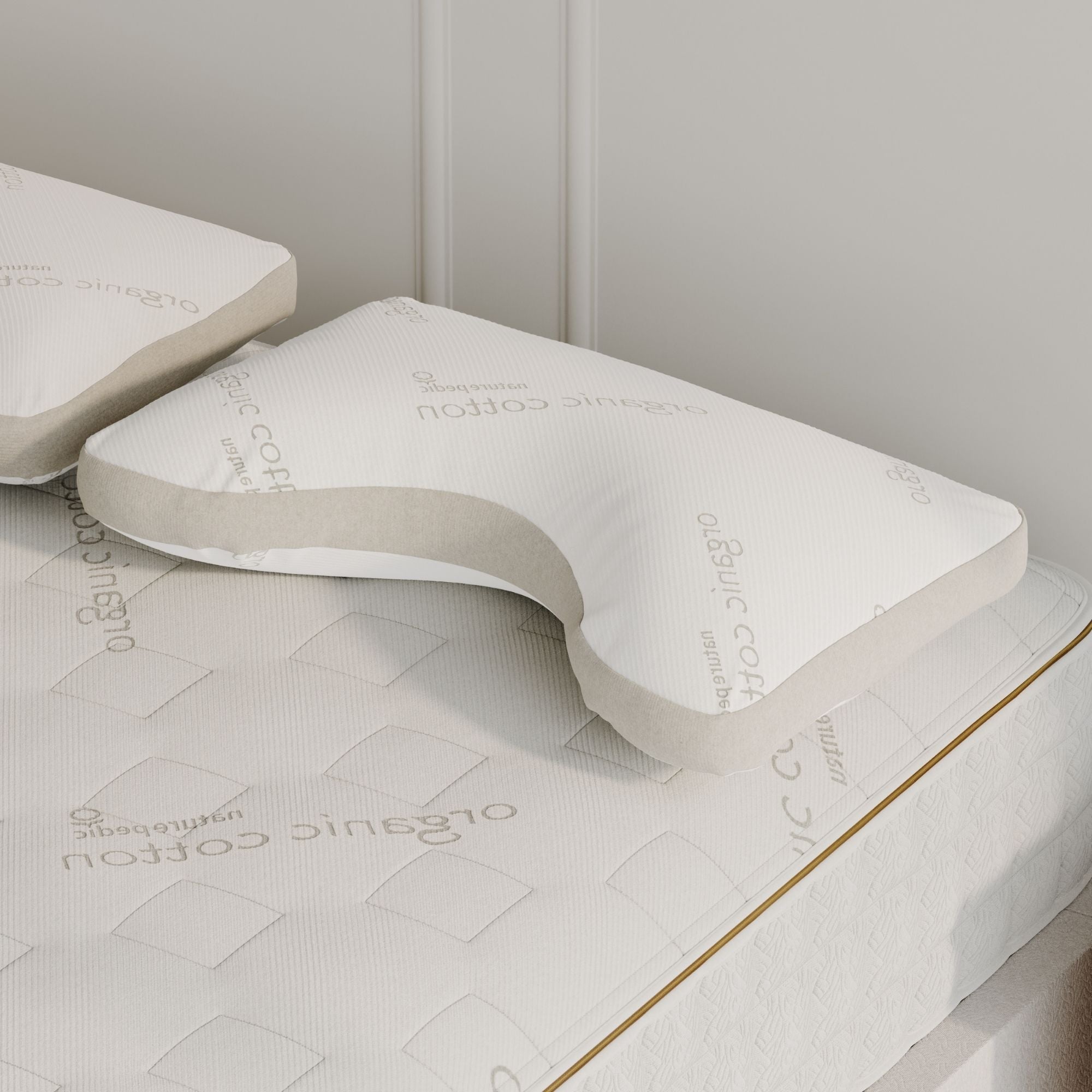
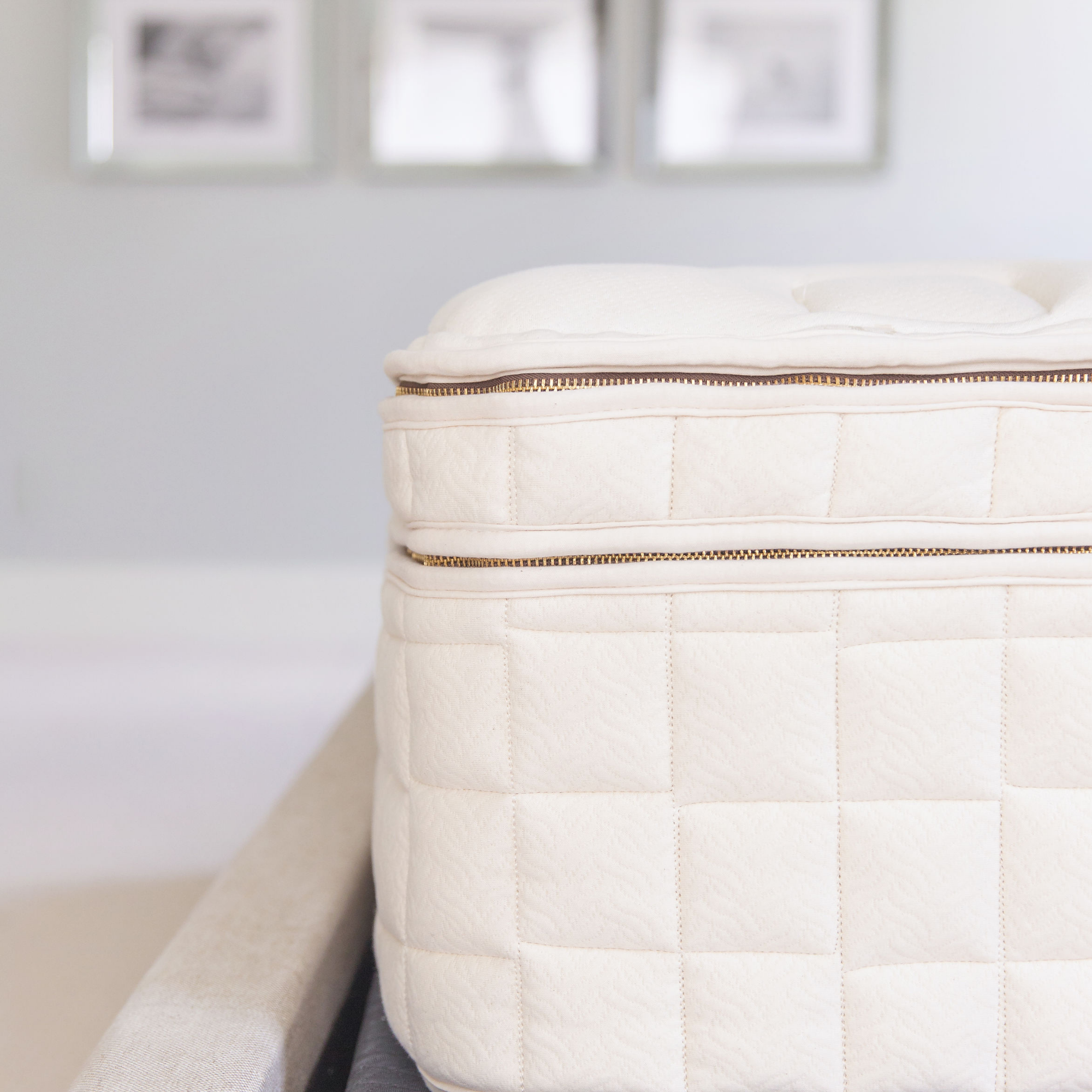
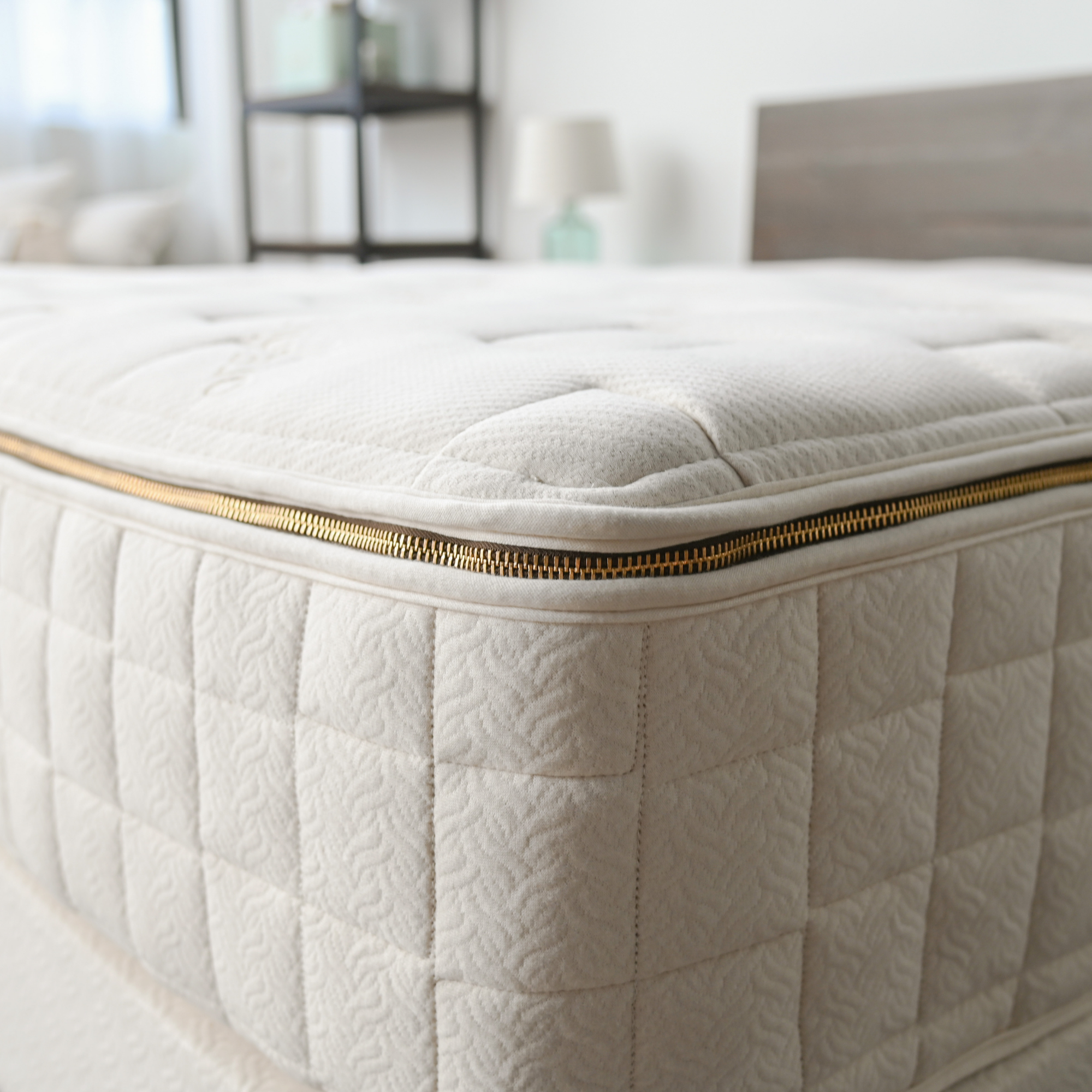
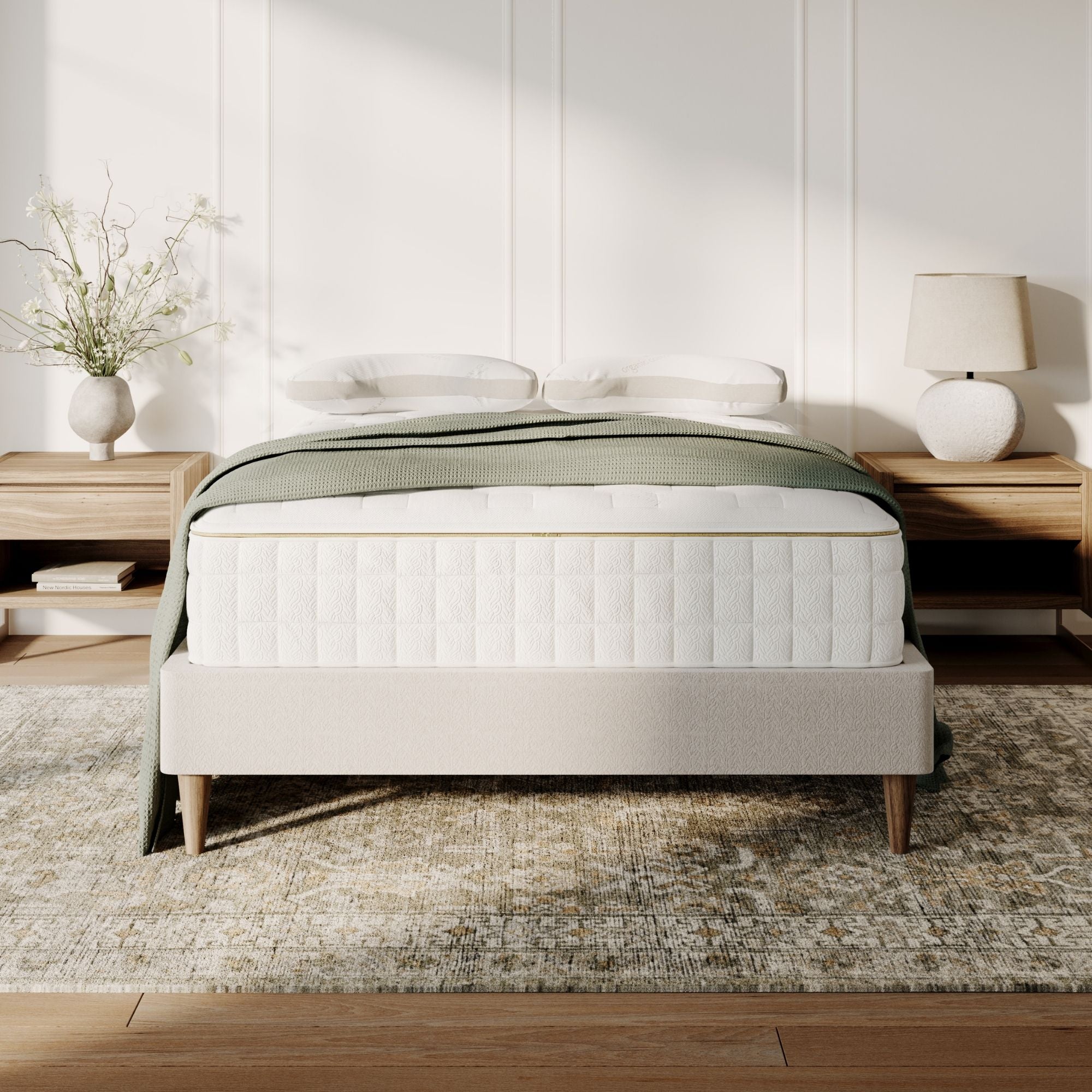
In some states, mattresses and pillows can be recycled through specialized services. Household hazardous waste like paint, chemicals, and other hazardous materials should always be handled through proper channels.
A quick online search can help you find the right place for these hard-to-recycle items, keeping them out of landfills and reducing environmental harm.
How to Recycle More Effectively at Home
Recycling works best when it’s easy. Set up a sorting system that makes it simple to separate recyclables from trash in your home. Post your local recycling guide in a high-traffic area like the kitchen where everyone will see it.
Go a step further and prevent non-recyclable items from coming into your home in the first place! While shopping, choose products with minimal or easily recyclable packaging. These small adjustments can make recycling second nature for the whole household.
Recycling to Reuse: A Bigger Picture of Sustainability
Recycling is just one piece of the sustainability puzzle. Reducing consumption and reusing materials wherever possible should come first to make the most impact. At Naturepedic, we design products with people and the planet in mind, using certified organic materials, avoiding unnecessary chemicals and focusing on durability and end-of-life considerations.
This approach reflects the principles of circular design — an idea where products are created to minimize waste, keep materials in use longer, and consider what happens at the end of a product's life. It also emphasizes material health, ensuring the materials used are safer for people and the environment, as well as exploring compostable or more sustainable options wherever possible. Choosing products made with these values in mind helps support a healthier future for everyone.
Small Habits, Big Impact
While it might feel small, these choices add up. When more of us take an extra moment to recycle properly, we help conserve resources, reduce landfill waste, and contribute to a cleaner planet. And that’s worth sorting for.
Have feedback on our story? Contact us to let us know what you think or visit our about us page to learn more!