




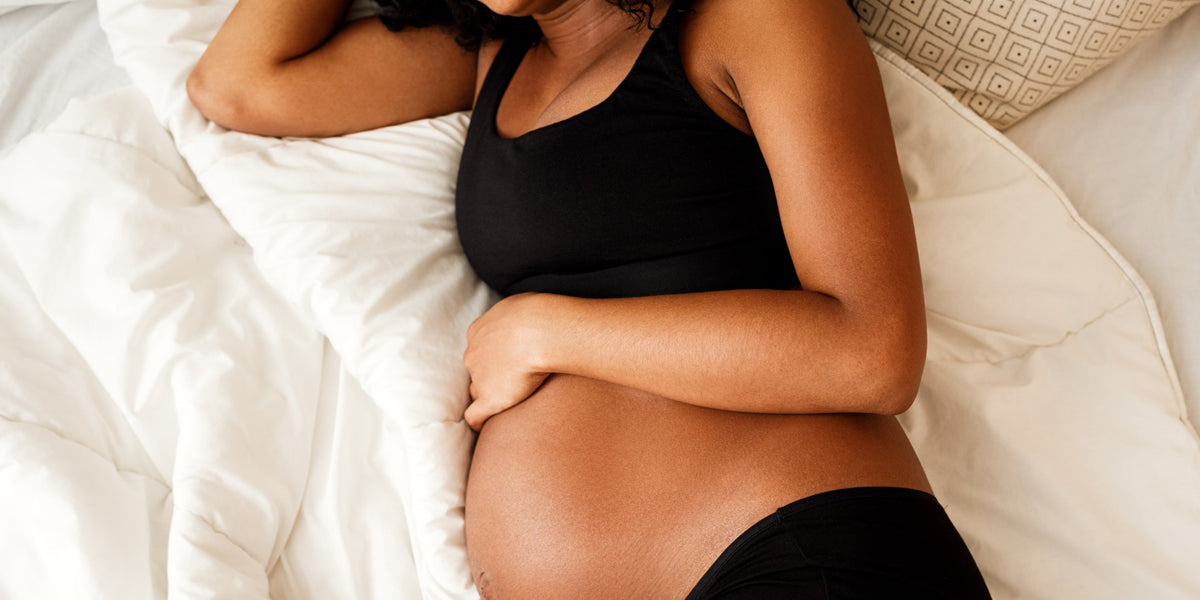
Pregnancy is often associated with exhaustion, yet many people find it surprisingly difficult to sleep once they’re expecting. If you’re dealing with pregnancy insomnia, waking frequently at night or struggling to get comfortable in bed, you’re far from alone. Sleep disturbances are extremely common during pregnancy due to hormonal changes, physical discomfort and shifting sleep positions.
Many expecting parents also have questions like: Is sleeping on your stomach bad in pregnancy? Is sleeping on your back safe? Can you take melatonin while pregnant? Understanding how sleep changes throughout pregnancy and learning safe strategies to manage insomnia can make a significant difference.
This guide explores why sleep becomes difficult during pregnancy and what you can do to improve your sleep safely and naturally, with expert advice from relationship and parenting coach Jessica Martin-Weber.
"As a parent of eight kids, and someone who has worked closely with pregnant people for a long time at The Leaky Boob, I’m no stranger to the sleep struggle when pregnant. Here’s what I’ve learned over the years and how it may help you slip into the glorious sleep you need." -Jessica Martin-Weber
Note: This blog may contain links to Naturepedic products and promotional content where relevant to the topic discussed.
Sleep During Pregnancy: Key Points
- Pregnancy insomnia is common and can be influenced by hormonal changes, physical discomfort, frequent urination, heartburn, and shifting sleep positions.
- Sleep challenges often change by trimester, from early hormonal disruption to increasing physical discomfort later in pregnancy.
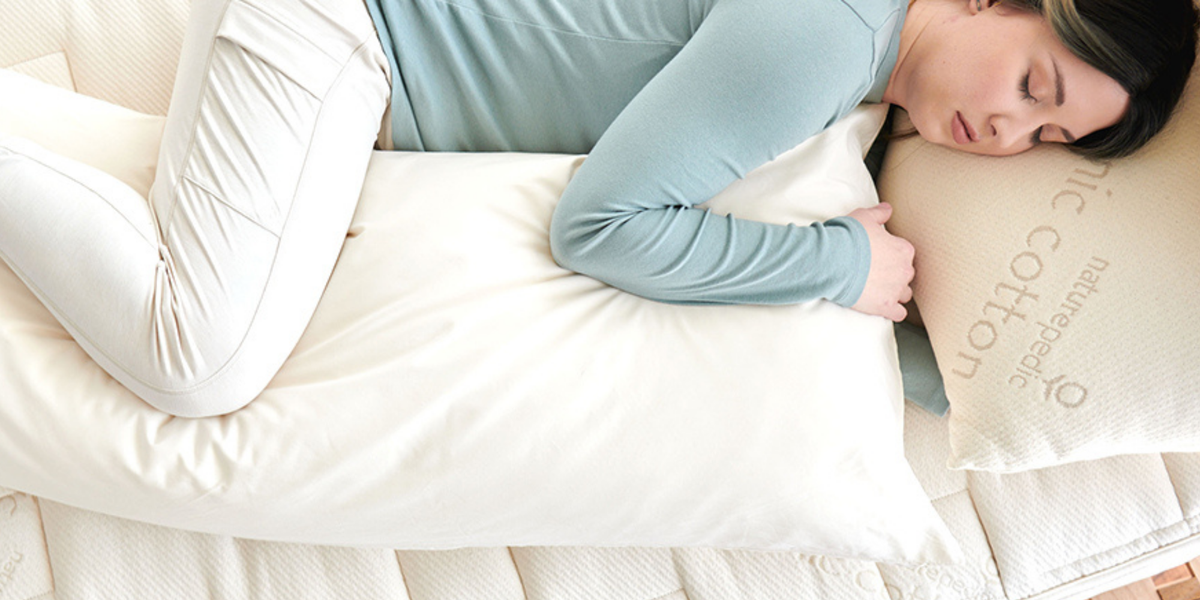
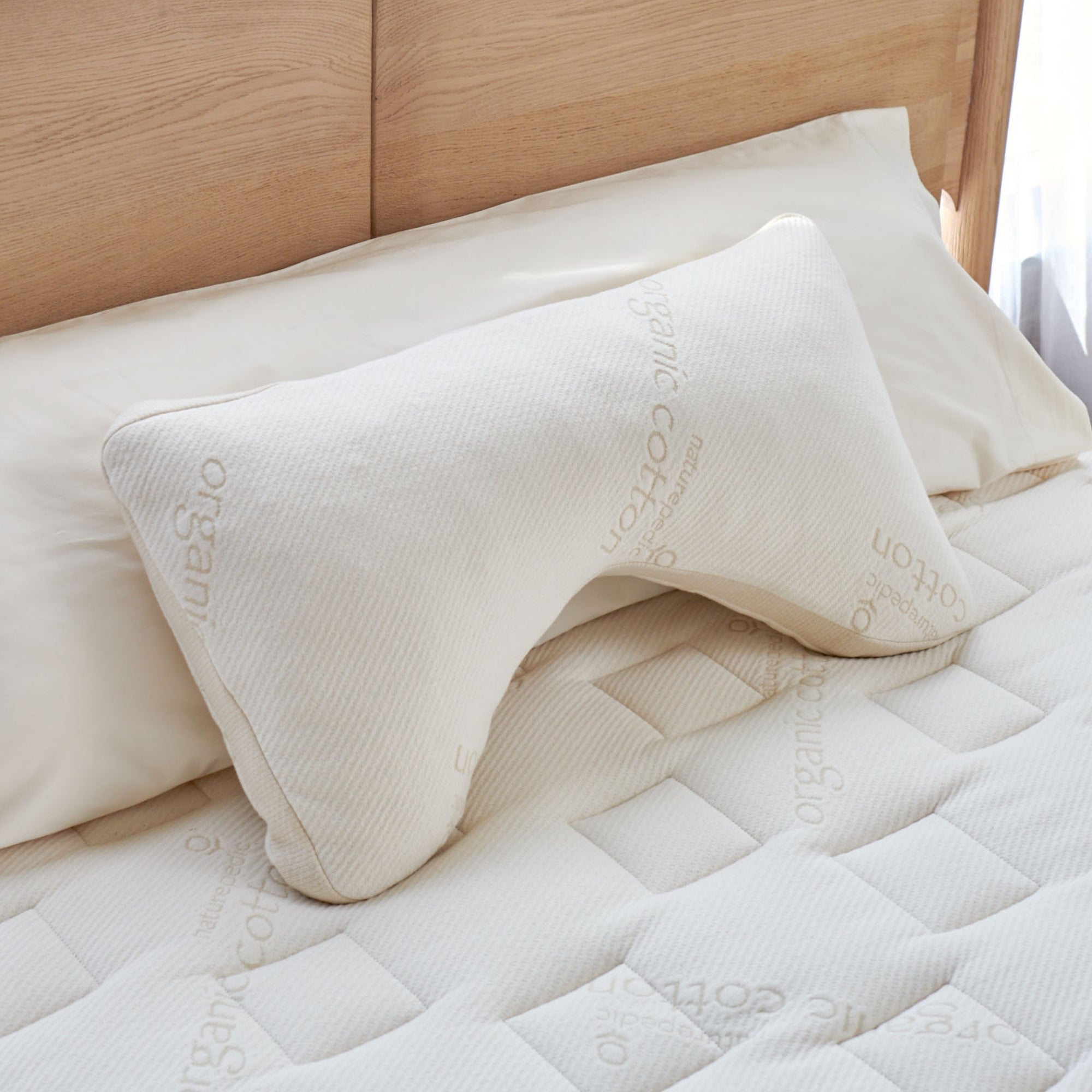
- Side sleeping is commonly recommended as pregnancy progresses, while pillows can help support the belly, back, hips, and knees.
- Research on melatonin supplements during pregnancy is limited, so talk with your healthcare provider before taking melatonin or other sleep aids.
- Consistent sleep habits, daylight exposure, gentle movement, and a supportive sleep environment may help make rest more comfortable during pregnancy.
Why Is Pregnancy Insomnia So Common?
Martin-Weber assures her clients that pregnancy insomnia is extremely common. "If you’re pregnant and can’t sleep, you’re definitely not alone," she says. "Sleep in pregnancy can be hard to come by for many reasons, and your sleep challenges can be hard to solve even when you do identify what’s keeping you up. But, knowing why you’re struggling to sleep is a good start."

Hormonal shifts, physical discomfort and changes in sleep cycles can all affect how easily you fall asleep and stay asleep.
During pregnancy, hormones like progesterone rise dramatically. These changes can increase fatigue during the day but also disrupt nighttime sleep. The body is working harder to support a growing baby, which can alter circadian rhythms and body temperature.
Many pregnant people also experience more frequent awakenings due to bathroom trips. "Following the increased production of certain hormones, the need to pee will typically increase as well, waking us more often during the night to empty our bladder," Martin-Weber says. "Combined with an increase in kidney function, an increase in blood volume and water in the body and the growing uterus pressing on the bladder, waking often for potty breaks can make sleep challenging."
Other factors to consider are heartburn, temperature fluctuations and discomfort as the uterus expands. For a deeper explanation of how sleep cycles work and why nighttime awakenings happen, the Sleep Foundation provides a helpful overview of how sleep works.
Are There Different Sleep Challenges in Different Trimesters?
Sleep doesn’t stay the same throughout pregnancy — each trimester brings its own unique set of challenges that can affect how (and how well) you rest. This chart breaks it down:
Is Sleeping on Your Stomach Bad in Pregnancy?
Many pregnant people worry about whether stomach sleeping is safe.

Early in pregnancy, sleeping on your stomach is usually not dangerous because the uterus is still small and protected by the pelvis. However, as pregnancy progresses, stomach sleeping becomes uncomfortable and less practical.
As the belly grows, most people naturally transition to side sleeping. Using supportive pillows and adjusting mattress firmness can help make this transition easier. Healthcare organizations such as the American Pregnancy Association also provide guidance on sleeping positions during pregnancy.
FAQ: When Should You Stop Sleeping on Your Stomach During Pregnancy?
Most people stop sleeping on their stomach naturally sometime during the first or early second trimester. As the uterus grows, stomach sleeping becomes uncomfortable and can place pressure on the abdomen. At this point many pregnant sleepers begin transitioning to side sleeping. Supportive pillows placed under the belly or between the knees can make this transition easier by reducing pressure on the hips and lower back. Comfortable bedding materials can also help to improve sleep posture.
Sleeping on Your Back While Pregnant: Is It Safe?
Sleeping on your back during early pregnancy is generally considered safe. However, after about 20 weeks, many healthcare providers recommend avoiding prolonged back sleeping.
When lying flat on the back, the weight of the uterus can compress the inferior vena cava, a major vein responsible for returning blood to the heart. This compression may reduce circulation and cause dizziness or nausea. Side sleeping is often recommended because it improves circulation and reduces pressure on major blood vessels.
The Sleep Foundation explains in detail why sleep position matters during pregnancy and how side sleeping supports circulation.
FAQ: When Should You Stop Lying on Your Back During Pregnancy?
Most medical guidance suggests avoiding prolonged back sleeping after about 20 weeks of pregnancy. However, accidentally rolling onto your back during sleep is common and usually not dangerous. Your body will often shift positions naturally if circulation becomes restricted. Placing a pillow behind your back can help prevent rolling during sleep. Some pregnancy pillows are specifically designed to keep the body supported in a side position.
What Is the Best Sleeping Position During Pregnancy?
The best sleeping position during pregnancy is typically side sleeping, especially on the left side. This position supports circulation, helps nutrients reach the placenta and reduces pressure on the liver.

Side sleeping may also reduce swelling in the legs and feet. As pregnancy progresses, many people find that additional pillow support helps maintain comfortable alignment.
Why Side Sleeping Is Recommended
Side sleeping supports better circulation between the heart, placenta and baby. This position also helps reduce pressure on the spine and major blood vessels. Left-side sleeping is often recommended because it may further improve circulation and kidney function. During pregnancy, even small changes in circulation can influence sleep quality and comfort.
How to Support Your Belly, Back and Hips at Night
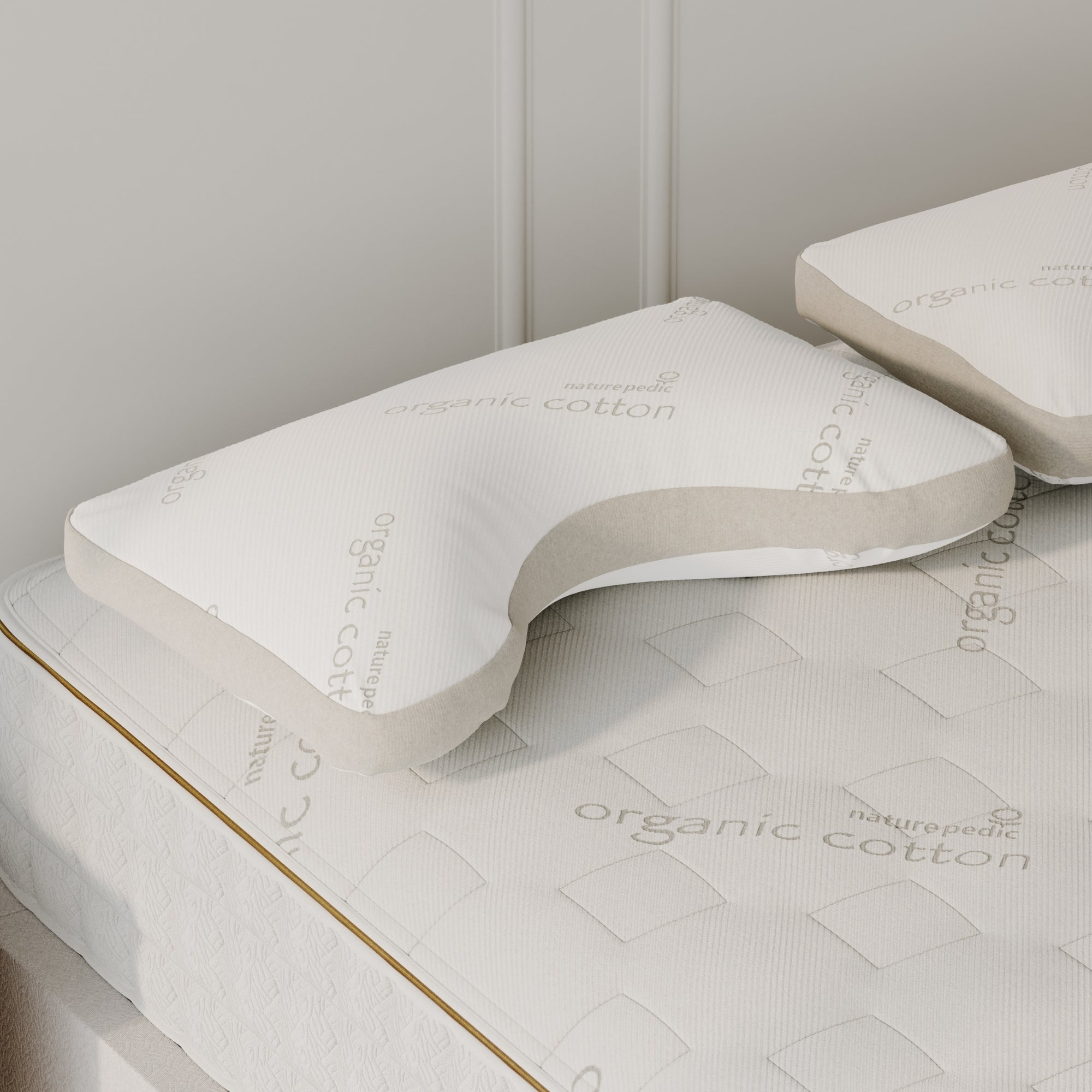
As pregnancy progresses, additional support can make side sleeping significantly more comfortable. Placing a pillow between the knees helps align the hips and spine. A small pillow under the belly can reduce abdominal pressure, while a pillow behind the back can prevent rolling onto your back. Many people also find relief by slightly elevating the upper body to reduce heartburn or congestion.
Can You Take Melatonin While Pregnant?
Many pregnant people wonder: Can you take melatonin while pregnant?
Melatonin is a hormone that regulates the body’s sleep-wake cycle, and some people use melatonin supplements to manage insomnia. However, research on melatonin supplementation during pregnancy is still limited. Because melatonin can influence hormonal systems and fetal development, many healthcare providers recommend avoiding melatonin supplements unless specifically approved by a doctor.
If you’re curious about how melatonin works naturally in the body, the Sleep Foundation explains melatonin and sleep regulation. You can also explore Naturepedic’s resources on improving sleep naturally through healthy sleep habits and sleep hygiene.
Safe, Natural Ways to Improve Sleep During Pregnancy
So what can we do? "First, be sure to check with your healthcare provider if you are experiencing difficulty sleeping in pregnancy," Martin-Weber recommends. "Sleep really is important, and there may be options available for you to help you get the vital rest you need while growing your baby."

Maintaining a consistent bedtime routine, getting regular daylight exposure and creating a calm sleep environment can help regulate your circadian rhythm and signal your body that it’s time for sleep. Exercise, prenatal yoga, meditation and gentle stretching may also improve sleep quality by reducing stress and physical discomfort. According to sleep researchers, consistent daily activity is one of the most effective ways to improve nighttime sleep.
Martin-Weber also advises trying tactics like creating a pillow incline to support your upper body and reduce heartburn, getting in lots of electrolytes to reduce cramping at night and even physical touch to get those feel-good hormones going and help you relax. But she also admits that "chances are some of your sleep challenges will remain in some fashion, and sleep is going to be restless and interrupted at times. Adjusting your expectations will help with the frustration and give you the brain space to troubleshoot possible solutions that may work well for you. Remember, too, to give yourself a break. Adjust where and what you can in your day to make it less taxing."
Have feedback on our story? Contact us to let us know what you think or visit our about us page to learn more!