

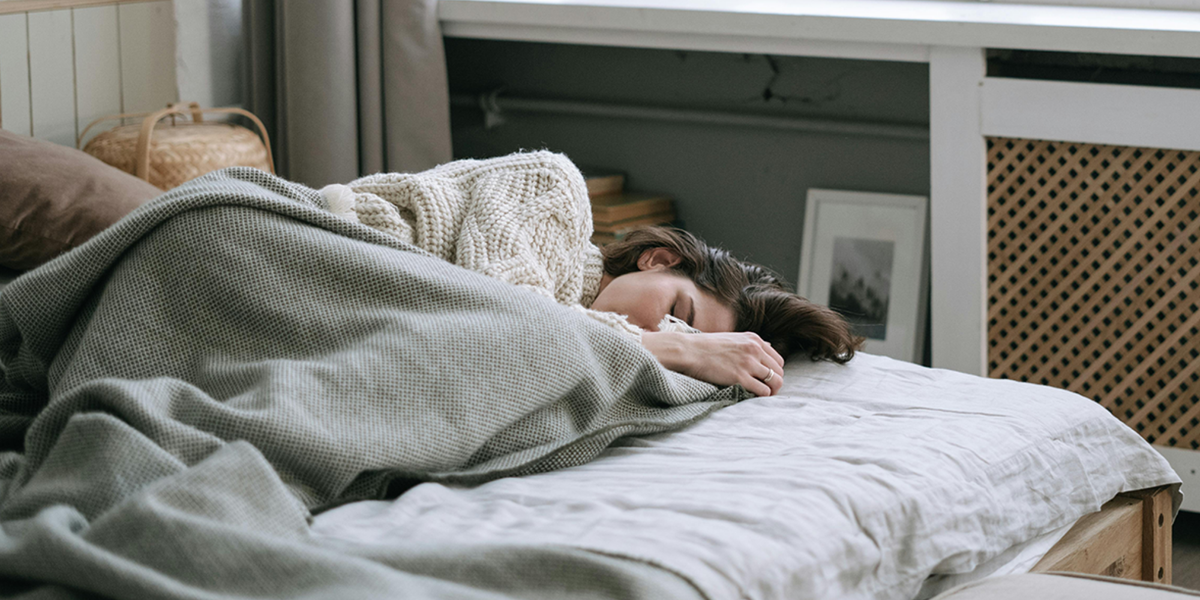
You spend about a third of your life asleep — but is your sleep position working for you or against you?
The reality is that not all sleep positions are created equal. The way you sleep can impact spinal alignment, breathing, digestion, and even how refreshed you feel in the morning. Some sleeping positions offer better support, while others can lead to discomfort or restless nights.
If you’re regularly waking up stiff, sore, or groggy, your sleeping position just may be the culprit. This guide breaks down the best sleeping positions –—side, stomach, and back — so you can determine the correct way to sleep for your body. You’ll also find answers to common questions, like what is the best sleeping position for digestion, back pain, or pregnancy.
Sleep Positions: Quick Guide
- Side sleeping: The most popular and versatile position, supporting spinal alignment, aiding digestion, and reduced snoring.
- Back sleeping: Often best for posture, evenly distributing weight and minimizing pressure points.
- Stomach sleeping: May feel comfortable, but can strain the neck and spine and lead to discomfort over time.
Note: This blog may contain links to Naturepedic products and promotional content where relevant to the topic discussed.
The Big Three Sleep Positions: Side, Stomach and Back Sleeping
Each sleeping position comes with its own benefits and drawbacks. While some naturally support spinal alignment and deep sleep, others can lead to discomfort or even long-term strain — and because everyone sleeps differently, what works for one person might not work for you!

Understanding the pros and cons of common sleep positions can help you decide whether small adjustments could improve the way you rest.
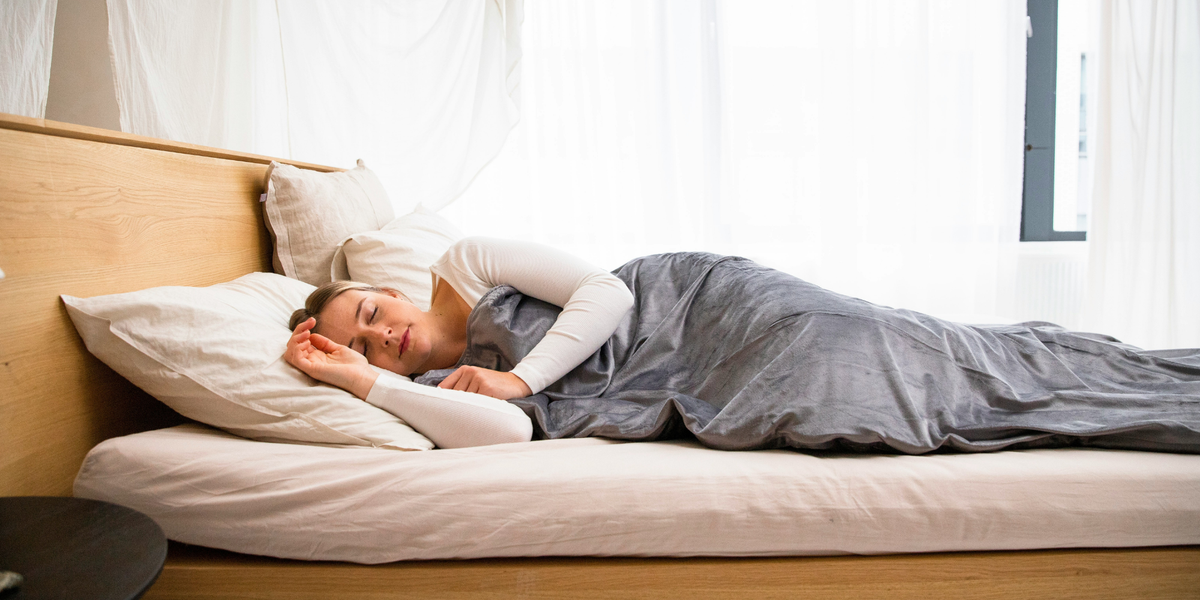
Side Sleeping: Popular and Practical
Side sleeping is one of the most common sleeping positions, and for many, it's the best position to sleep in for spinal health and digestion. This posture provides a balance of comfort and support — but without proper alignment, it can also lead to discomfort.
Stomach Sleeping: Relaxing But Risky
For some, sleeping on the stomach feels natural and cozy, but it’s not the best sleeping position for posture or spinal health. While it can help reduce snoring, it’s not as effective as side sleeping in this regard. Plus, the downsides often outweigh the benefits.
Back Sleeping: The Gold Standard for Spinal Health
Back sleeping is often recommended as the best sleeping position for posture and spinal health. It evenly distributes body weight, reducing pressure points — but it’s important to remember that there is no universal healthiest position for everyone, and even back sleeping is not ideal for some people.
What’s the Best Pillow Type for My Sleeping Position?
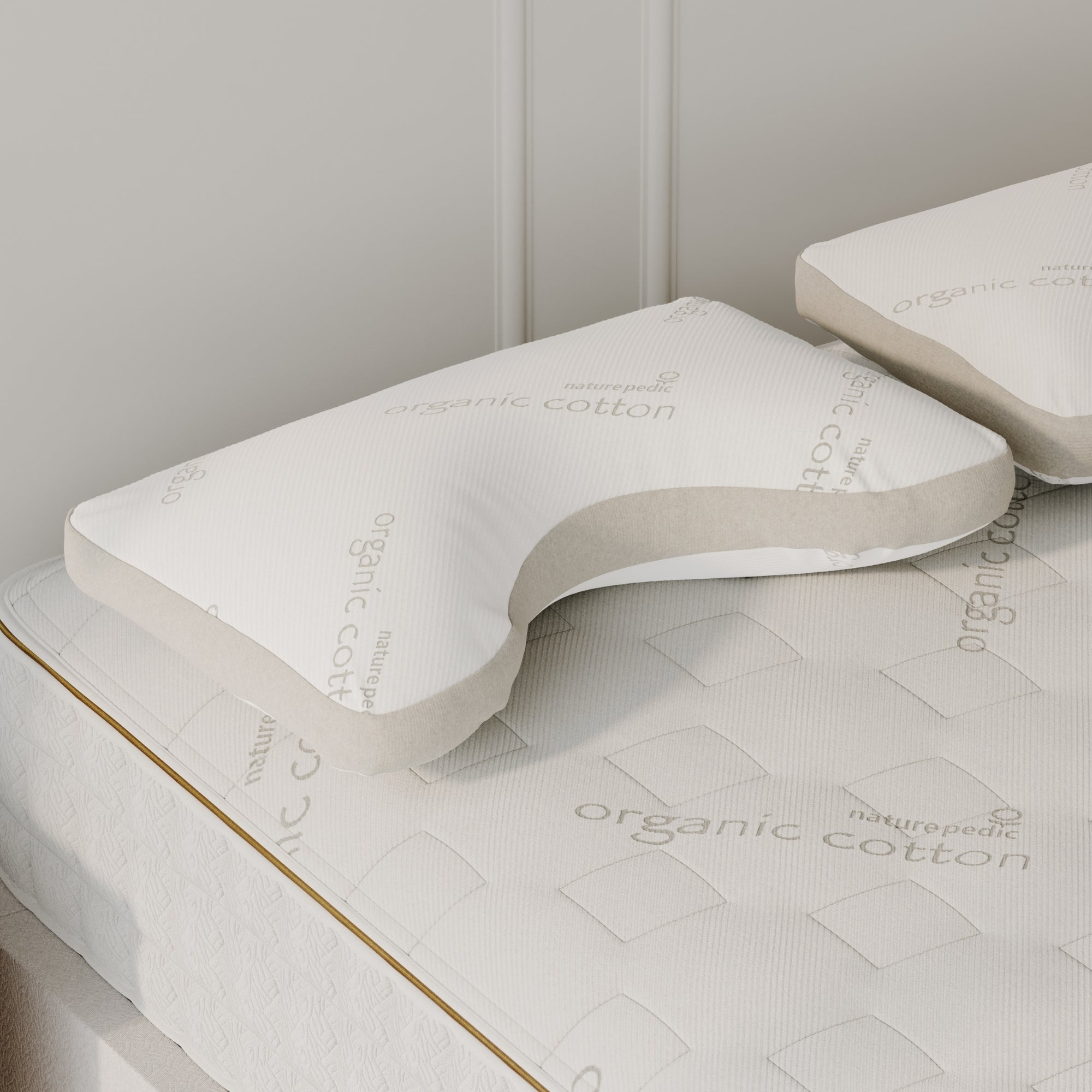
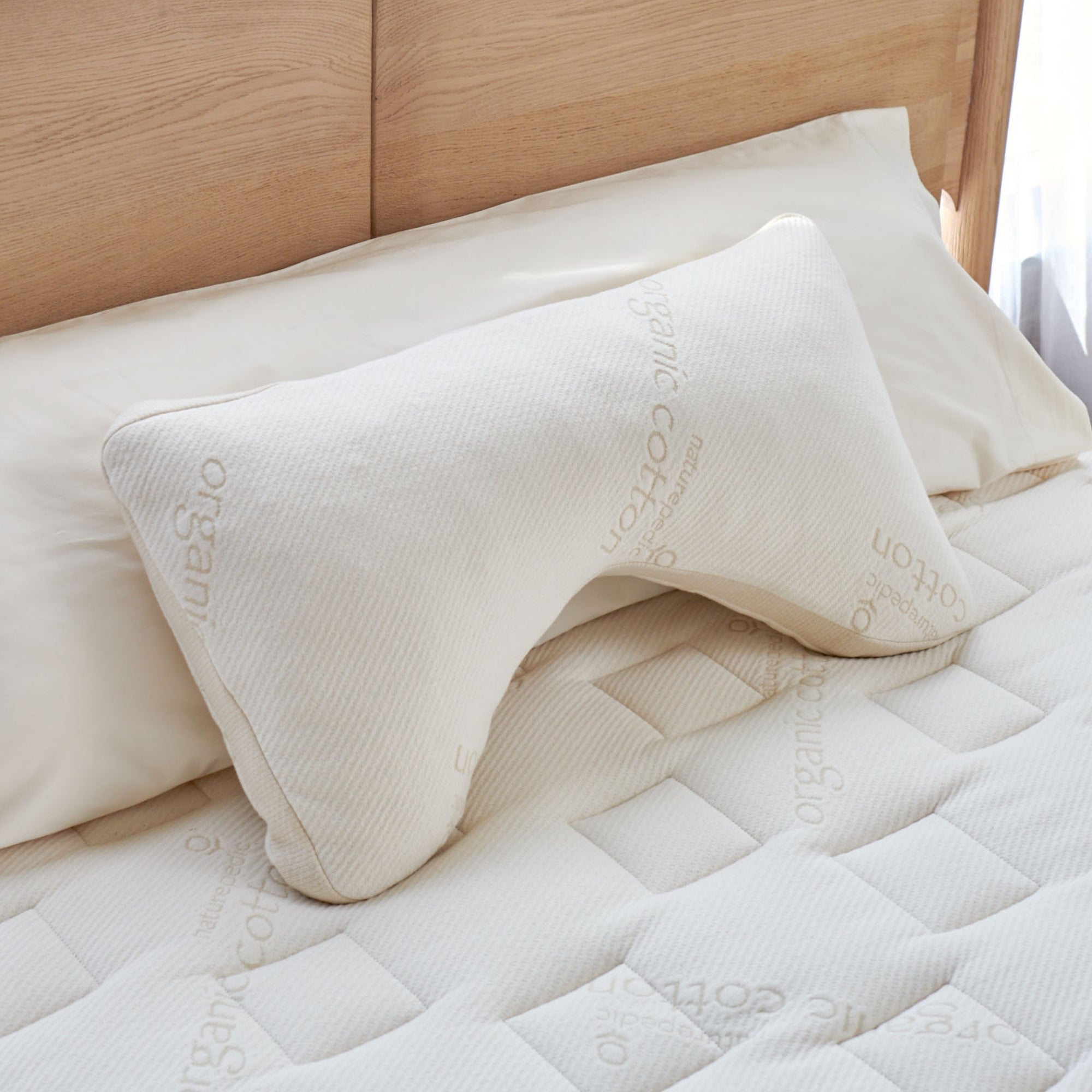
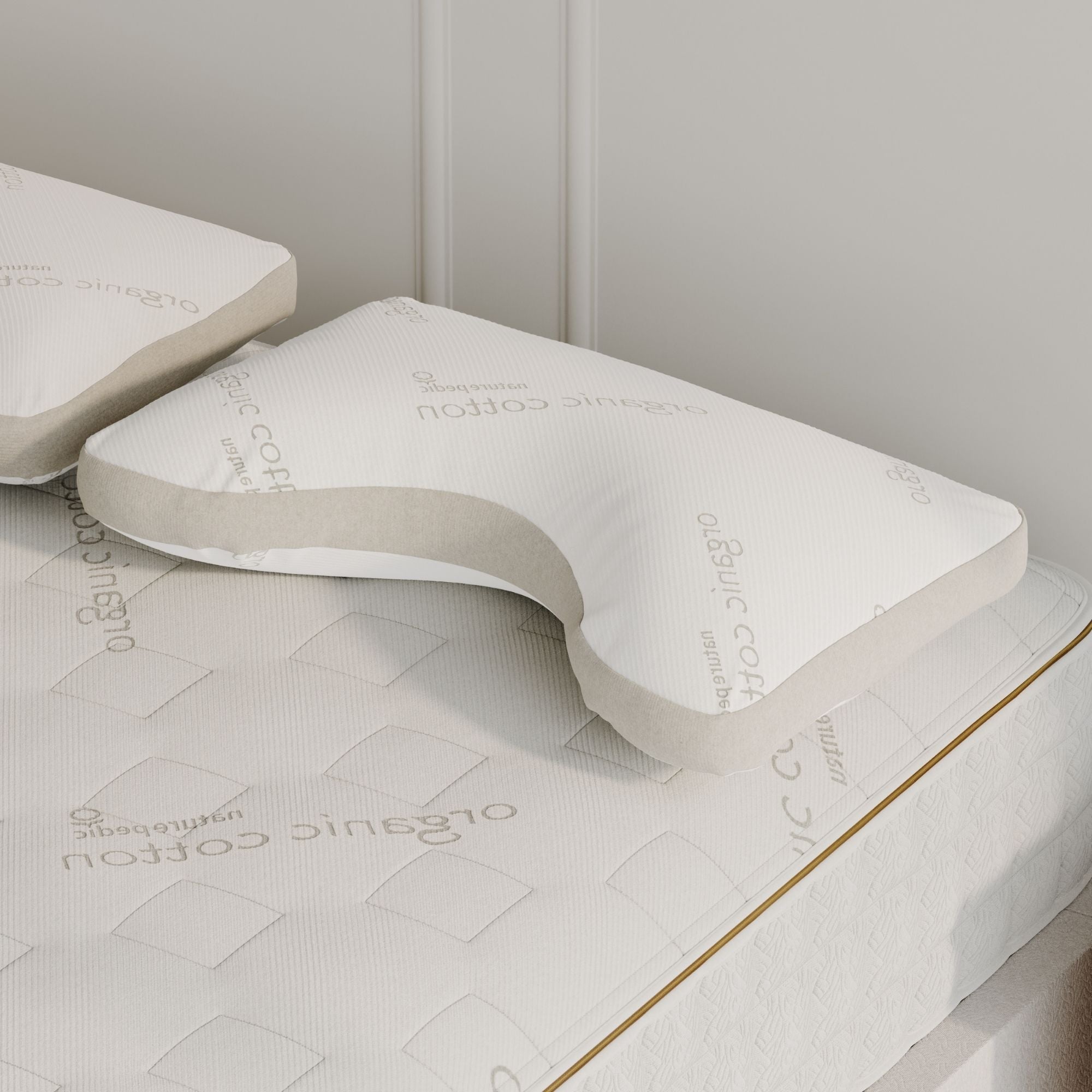
The right pillow can help maintain spinal alignment and reduce strain on the neck and shoulders.

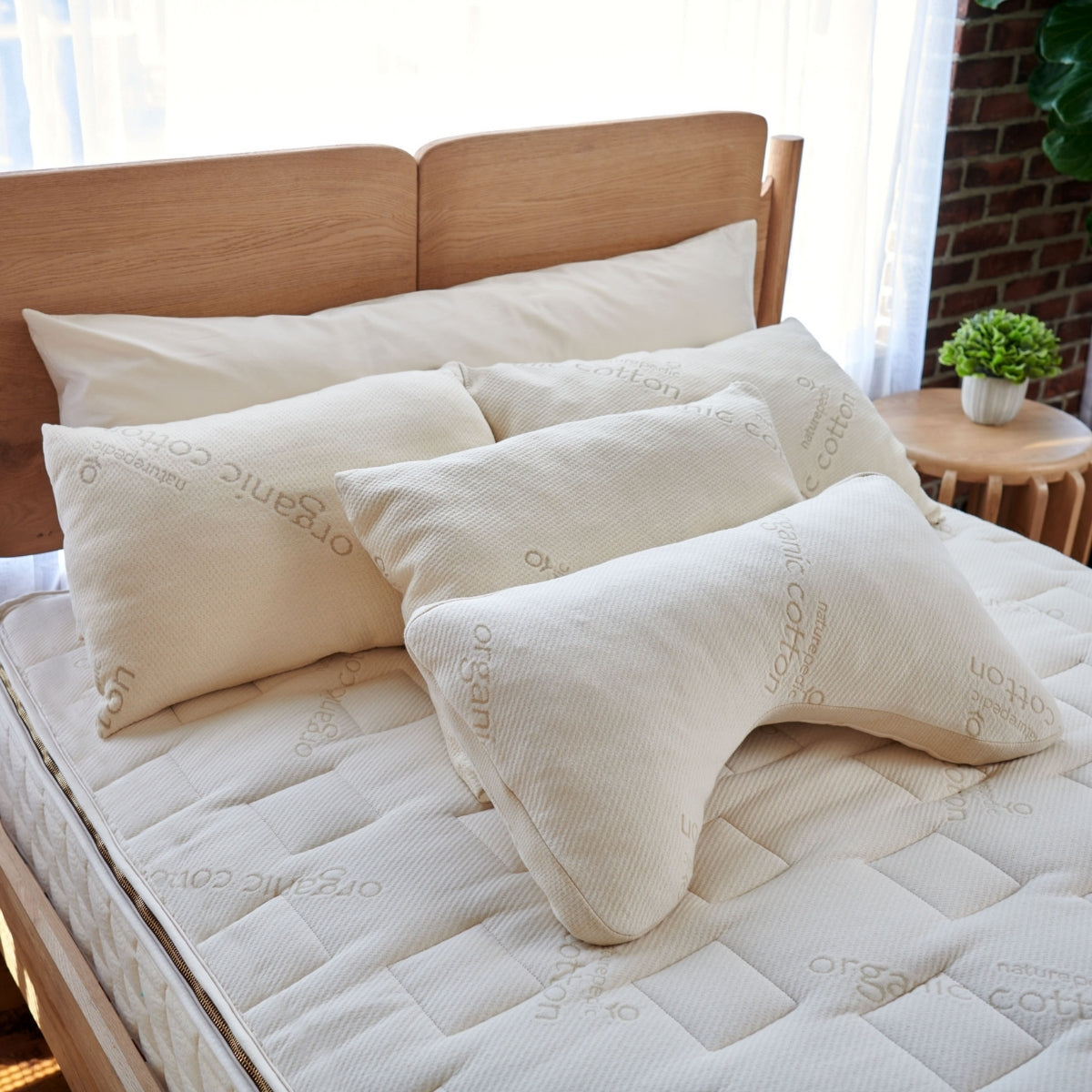
Best Pillows by Sleep Position:
- Organic Latex Side Sleeper Pillow: Best for side sleepers
- Organic Wool Pillow: Best for back sleepers
- Organic Cotton/Down Pillow: Best for stomach sleepers
The best option depends on your sleeping position:
- Side sleepers: A firm, thick pillow that fills the space between the head and shoulder to keep the neck aligned.
- Back sleepers: A medium-loft pillow that supports the natural curve of the neck without pushing the head too far forward.
- Stomach sleepers: A thin pillow or no pillow to minimize neck strain from excessive elevation.
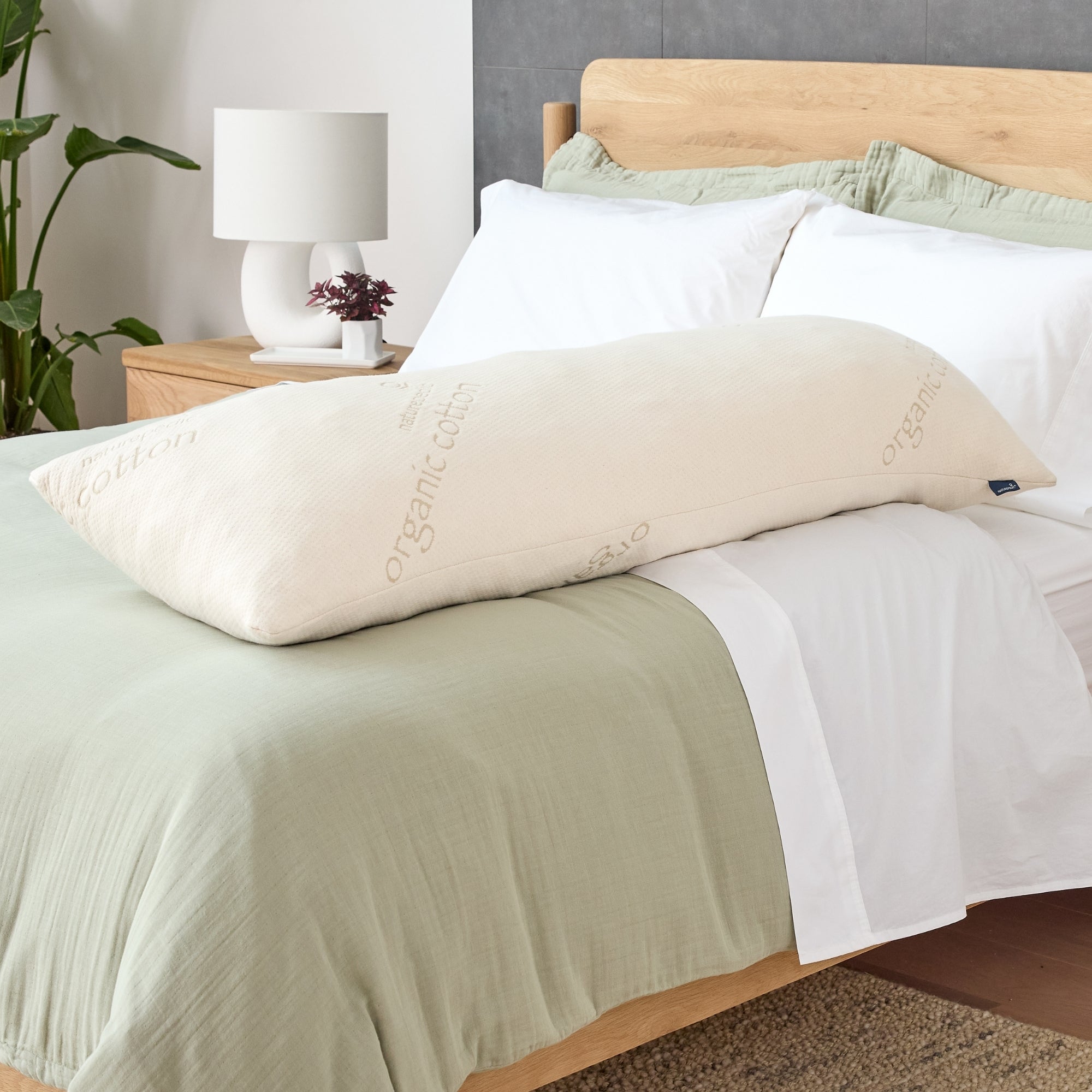
Using a body pillow or extra cushioning for support can also improve comfort, especially for side and back sleepers.
How Can I Train Myself to Sleep in a Different Position?
Changing your sleeping position takes time and may be uncomfortable for a few weeks or even months, but small adjustments can help your body adapt. Try these strategies:
- Back sleepers: Place a pillow under your knees to maintain spinal alignment.
- Side sleepers: Use a pillow between your knees to keep your hips aligned and reduce pressure.
- Stomach sleepers: Hug a body pillow to encourage side sleeping and prevent rolling onto your stomach.

A firmer mattress can also make stomach sleeping less comfortable, naturally guiding you toward a better sleep position. Similarly, a plush mattress may make side sleeping more comfortable. If you find yourself shifting back to your old habit, be patient — consistency is key to retraining your body.
Have feedback on our story? Contact us to let us know what you think or visit our about us page to learn more!