





Some nights, feeling tired isn’t enough. Your body may be ready for rest while your mind replays conversations, anticipates tomorrow’s problems, or worries about how little sleep you’re getting. The harder you try to quiet those thoughts, the more alert you may feel.
Anxiety and sleep can reinforce each other. Anxiety may make it difficult to fall asleep or stay asleep, while insufficient sleep can leave you feeling more emotionally reactive and less prepared to manage stress the following day. Although no single habit can treat an anxiety disorder, these 12 steps can help reduce unnecessary stimulation, ease some of the pressure surrounding sleep, and create better conditions for rest.
Sleeping With Anxiety: Key Tips
- Support sleep during the day by keeping a consistent wake time, getting natural light, exercising, addressing worries, and being mindful of caffeine, alcohol, and naps.
- Prepare your mind and body for bed with a predictable wind-down routine, a written to-do list, less screen time, a calming practice, and a comfortable sleep environment.
- When anxiety keeps you awake, stop forcing sleep. Avoid clock-watching, leave bed for a quiet activity if frustration builds, and return when you feel sleepy.
- Seek professional support when anxiety or insomnia persists or begins interfering with your health, responsibilities, or daily life.
Note: This blog may contain links to Naturepedic products and promotional content where relevant to the topic discussed. This information is to be used for educational purposes and is not a substitute for individualized medical or mental-health care.
What Is the Connection Between Anxiety and Sleep?
Occasional anxiety is a normal response to stress, uncertainty, or change. An anxiety disorder is different. According to the National Institute of Mental Health, anxiety disorders involve more than temporary worry or fear. The anxiety may persist, occur in many situations, worsen over time, and begin interfering with everyday life.
Sleep problems can be one symptom of anxiety, but the relationship also works in the other direction. Insufficient or disrupted sleep can make it harder to concentrate, regulate emotions, and respond calmly to stressful situations. After a poor night of sleep, ordinary problems may feel more difficult to manage.
This can create an exhausting cycle:
- Anxious thoughts make it harder to sleep.
- Difficulty sleeping creates worry about not getting enough rest.
- The pressure to fall asleep increases mental alertness.
- Poor sleep makes stress feel harder to manage the next day.
- Concern about another difficult night begins before bedtime arrives.
Breaking this cycle is not about forcing yourself to relax or eliminating every anxious thought. It is about reducing the habits, stimulation, and pressure that may unintentionally keep your mind in problem-solving mode.
Why Can Anxiety Feel Worse at Night?
During the day, work, conversations, errands, and other responsibilities compete for your attention. When those distractions fade at night, unresolved thoughts may feel louder. Bedtime may be the first quiet moment your mind has had to process what happened during the day or anticipate what could happen tomorrow.
The pressure surrounding sleep can add another layer of worry. You may start calculating how many hours remain before morning, imagining how exhausted you will feel, or treating sleep like a task you must accomplish. That effort can make sleep feel even less accessible.
Your sleep-wake cycle also relies on consistent signals, including light, darkness, activity, and sleep timing. Irregular schedules, artificial light, caffeine, and other forms of stimulation can send wakefulness cues when your body should be preparing for rest. Learn more about how your circadian rhythm affects sleep.
You don't have to guarantee that every worry disappears before bed. Instead, focus on making the transition from daytime alertness to nighttime rest clearer and more consistent.
12 Steps to Sleep Better When You Feel Anxious
There is no single technique that will quiet every anxious thought or guarantee a full night of sleep. These 12 steps focus on reducing the habits, stimulation, and pressure that may keep your mind and body alert.
You do not need to adopt all 12 steps at once. Start with the changes that feel most relevant to your routine, then adjust based on what genuinely helps you rest.
What to Do During the Day

1. Keep a Consistent Wake Time
Waking at approximately the same time each day helps reinforce your internal sleep-wake cycle. A regular wake time is often more useful than trying to compensate for a difficult night by sleeping late whenever your schedule allows.
Consistency does not mean that every day must be identical. It means giving your body a dependable starting point so that sleepiness has a better chance of developing at a predictable time the following night.
The National Heart, Lung, and Blood Institute recommends going to bed and waking up at consistent times, including on weekends when possible.
2. Get Natural Light During the Day
Light is one of the most important signals regulating your circadian rhythm. Bright daytime light helps your body recognize when it should be awake, which supports a clearer contrast when the environment becomes darker at night.
Open the curtains after waking, spend time outside, or take a daytime walk when your schedule and the weather allow. Morning light may be especially helpful for reinforcing an earlier sleep-wake schedule.
Daytime light exposure does not need to become another complicated part of your routine. Even a short period outside can provide your body with a stronger daytime cue than remaining under indoor lighting all day.
3. Make Time for Regular Movement
Regular physical activity can support sleep and provide an outlet for physical and mental tension. Walking, running, strength training, cycling, yoga, or another form of movement you can practice consistently may all be helpful.
You do not need to exhaust yourself to earn a good night of sleep. Choose movement that feels manageable and appropriate for your health and fitness level.
If vigorous exercise close to bedtime makes you feel more energized, schedule it earlier. Gentle stretching or an easy walk may feel more appropriate later in the evening.
4. Schedule Time to Address Your Worries
Trying not to think about a concern often makes you focus on it more. Instead, set aside a brief period earlier in the day or evening to write down what is worrying you.
For each concern, consider:
- What is within your control
- What action, if any, you can take
- When you will take that action
- Who could help you address it
- What cannot be resolved tonight
This practice does not guarantee that the thought will disappear at bedtime. However, it gives you something concrete to return to when the worry resurfaces: “I have recorded this, and I have a plan to address it.”
Keep your designated worry time separate from your bed whenever possible. The goal is to give concerns an appropriate place in your day rather than allowing bedtime to become your primary problem-solving period.
5. Be Mindful of Caffeine, Alcohol, and Naps
Caffeine is a stimulant, and its effects can last longer than the initial feeling of alertness. If you regularly struggle to fall asleep, consider moving coffee, energy drinks, caffeinated tea, chocolate, and other sources of caffeine earlier in the day.
Alcohol may initially make you feel sleepy, but it can interfere with sleep later in the night. It may contribute to more fragmented sleep, earlier awakenings, and difficulty feeling restored the next morning. Using alcohol to manage anxiety or induce sleep can also prevent you from addressing the underlying problem.
Naps are not inherently bad, but long or late naps may reduce the sleep pressure that helps you fall asleep at night. The NHLBI recommends that adults who have difficulty sleeping at night take naps earlier in the afternoon and limit them to approximately 20 minutes.
How to Prepare for Bed

6. Create a Predictable Wind-Down Routine
Abruptly switching from work, news, social media, household responsibilities, or an intense television show to sleep can leave your mind feeling as though the day is still in progress. A predictable wind-down routine creates a clearer transition.
Your routine might include washing your face, changing into sleepwear, lowering the lights, preparing what you need for morning, and choosing one quiet activity. Repeating the same general sequence can help those actions become recognizable cues that the day is ending.
The routine does not need to be elaborate or take hours. Begin with a manageable period, such as 30 minutes, and focus on repeating it consistently. A simple routine you can maintain is more useful than an idealized routine that creates additional stress.
7. Write Down Tomorrow’s Tasks
A racing mind is often trying to make sure you do not forget something important. Keeping a notebook nearby allows you to capture tasks, reminders, and concerns without continuing to mentally rehearse them.
Write down what needs your attention and, when helpful, identify the next action. Knowing that the task has been recorded may make it easier to stop reviewing it.
Keep this exercise brief. Bedtime is not the ideal time to build a detailed project plan, solve a relationship conflict, or reorganize your entire schedule. Record what needs attention, then give yourself permission to return to it tomorrow.
8. Reduce Nighttime Screen Use
Phones, tablets, televisions, and other devices can keep your mind engaged through light, notifications, upsetting information, and the expectation that something new is always waiting. Even content that feels relaxing may extend the period your brain spends processing information.
Try choosing a consistent screen cutoff and replacing scrolling with a lower-stimulation activity. Reading, listening to quiet audio, journaling, stretching, or completing a simple nighttime routine can help bridge the gap between alertness and rest.
You do not necessarily need to turn every device off hours before bed. Start with the habits that create the most disruption, such as bringing work into bed, responding to notifications, reading stressful news, or scrolling without a stopping point.
Learn more about why unplugging before bed can support better sleep.
9. Choose a Calming Practice That Works for You
Deep breathing, progressive muscle relaxation, meditation, visualization, gentle stretching, and grounding exercises may help reduce physical and mental tension. A review from the National Center for Complementary and Integrative Health found some evidence that mindfulness meditation may improve sleep quality, although the quality and results of studies vary.
Relaxation should not become another task you believe you must perform perfectly. If counting breaths makes you more aware of your anxiety, try something else. A familiar audiobook, quiet music, a grounding exercise, or progressive muscle relaxation may feel less demanding.
Whichever practice you choose, approach it as an opportunity to become more comfortable rather than a technique that must make you fall asleep immediately.
10. Create a Comfortable Sleep Environment
Your bedroom cannot treat anxiety, but it can remove unnecessary sources of stimulation and physical discomfort. Keep the room reasonably cool, dark, quiet, and uncluttered. Silence unnecessary notifications, cover distracting lights, and keep work materials outside the bedroom when possible.
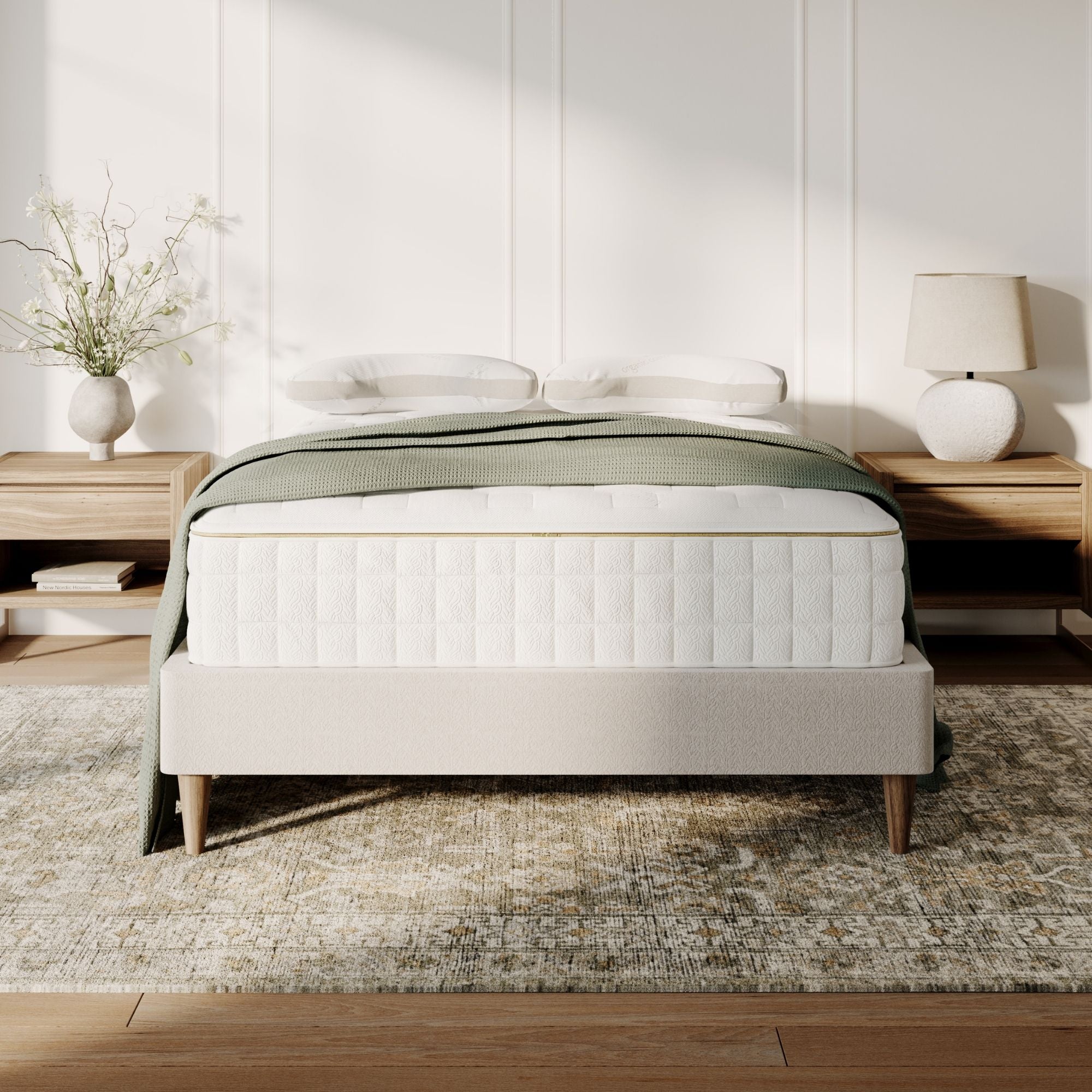
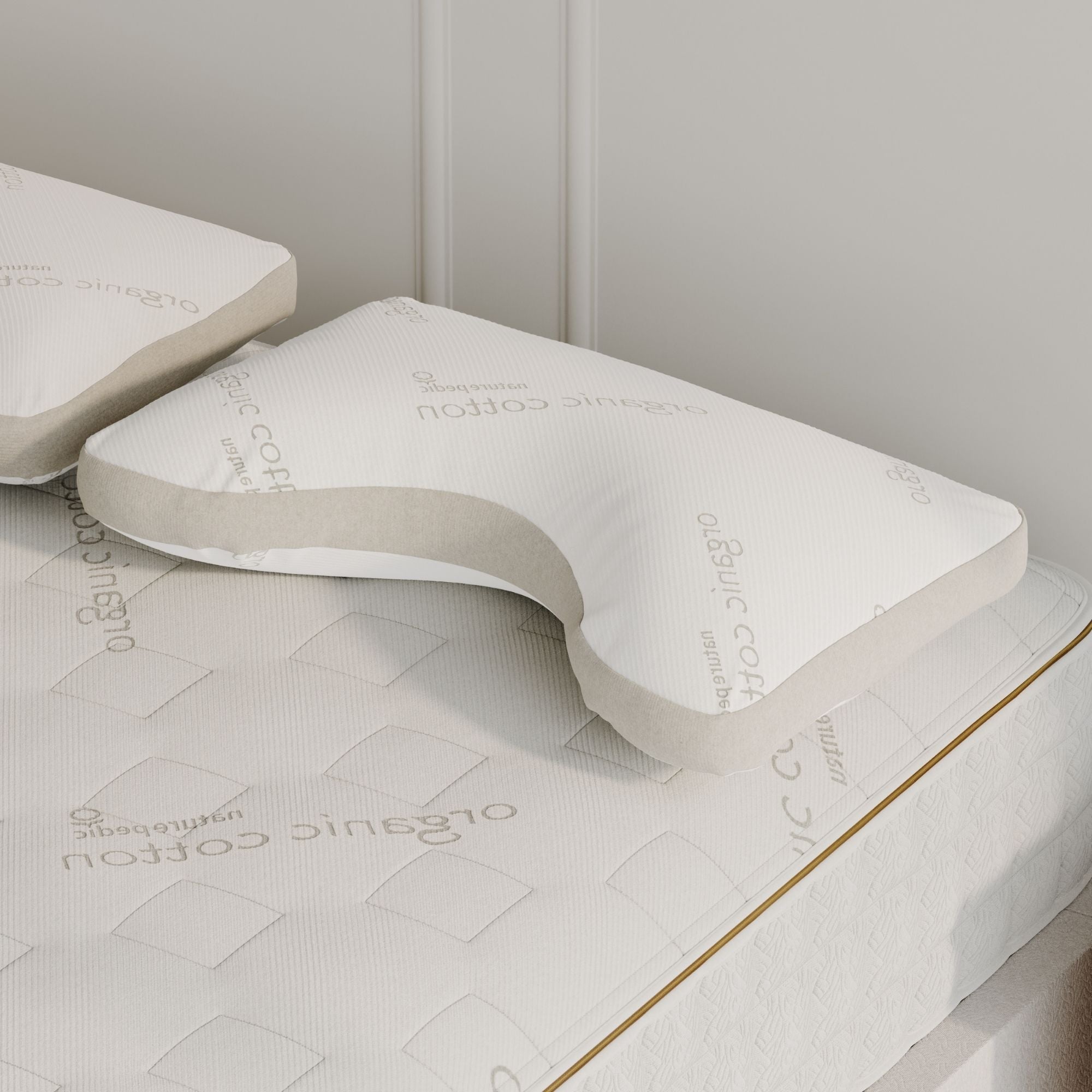
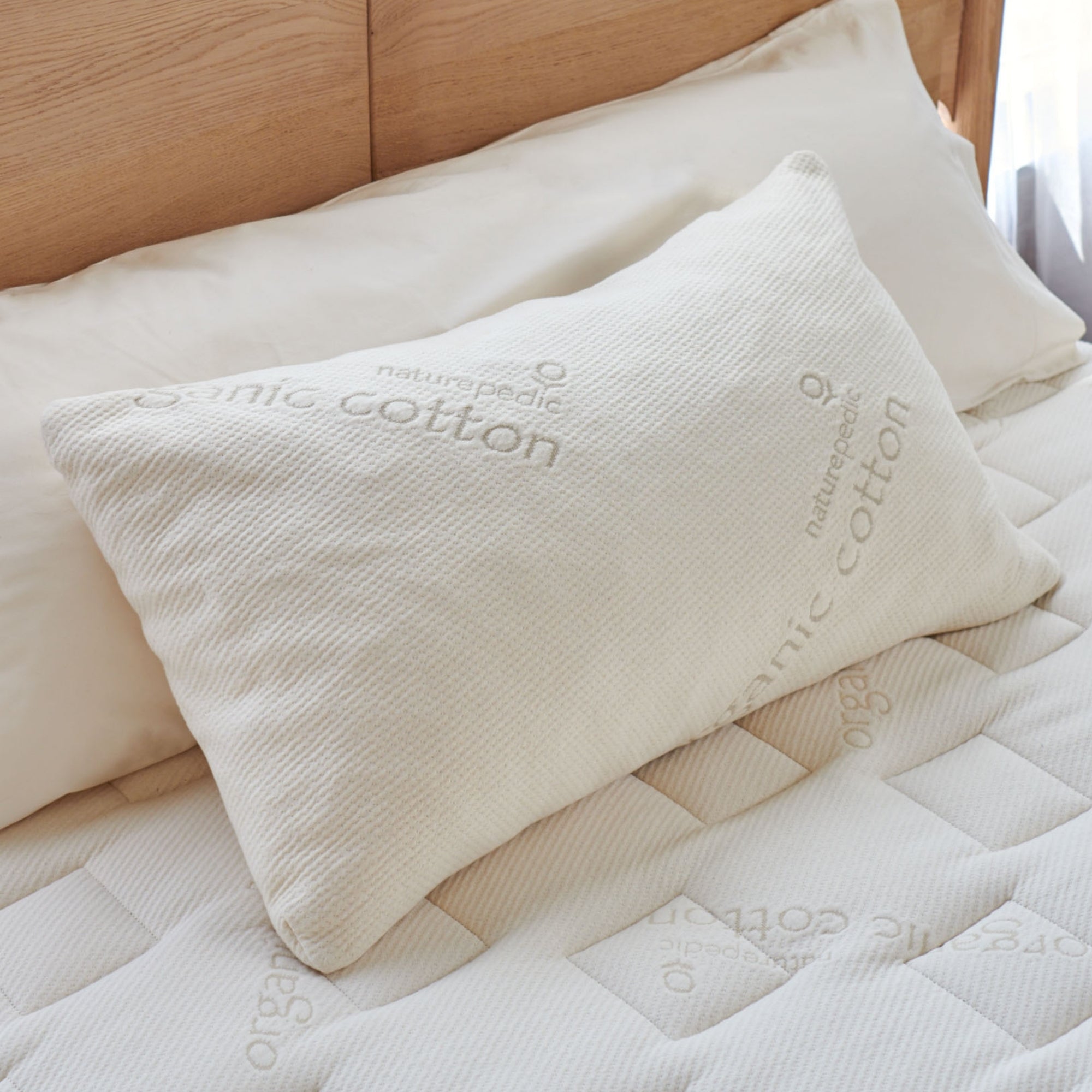
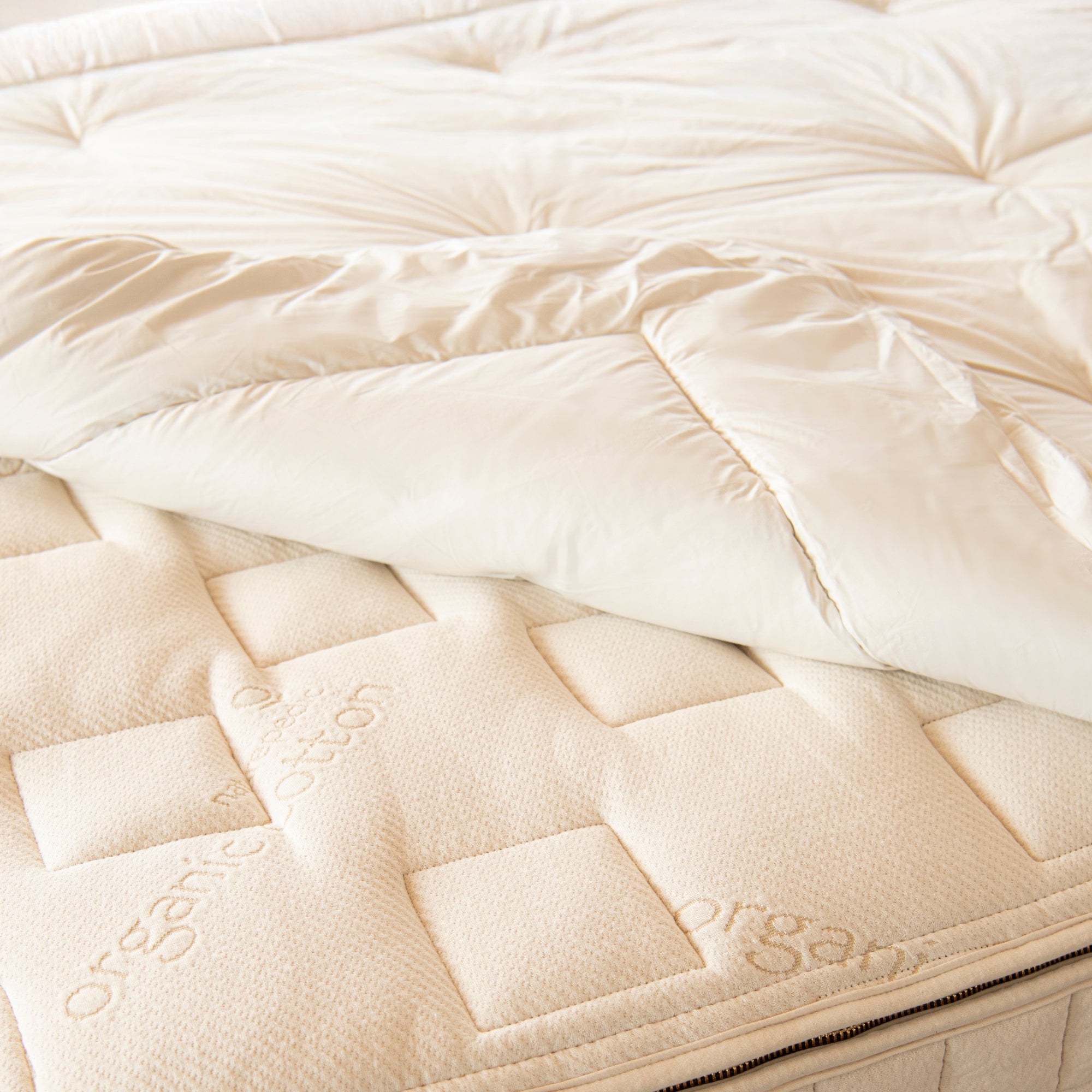
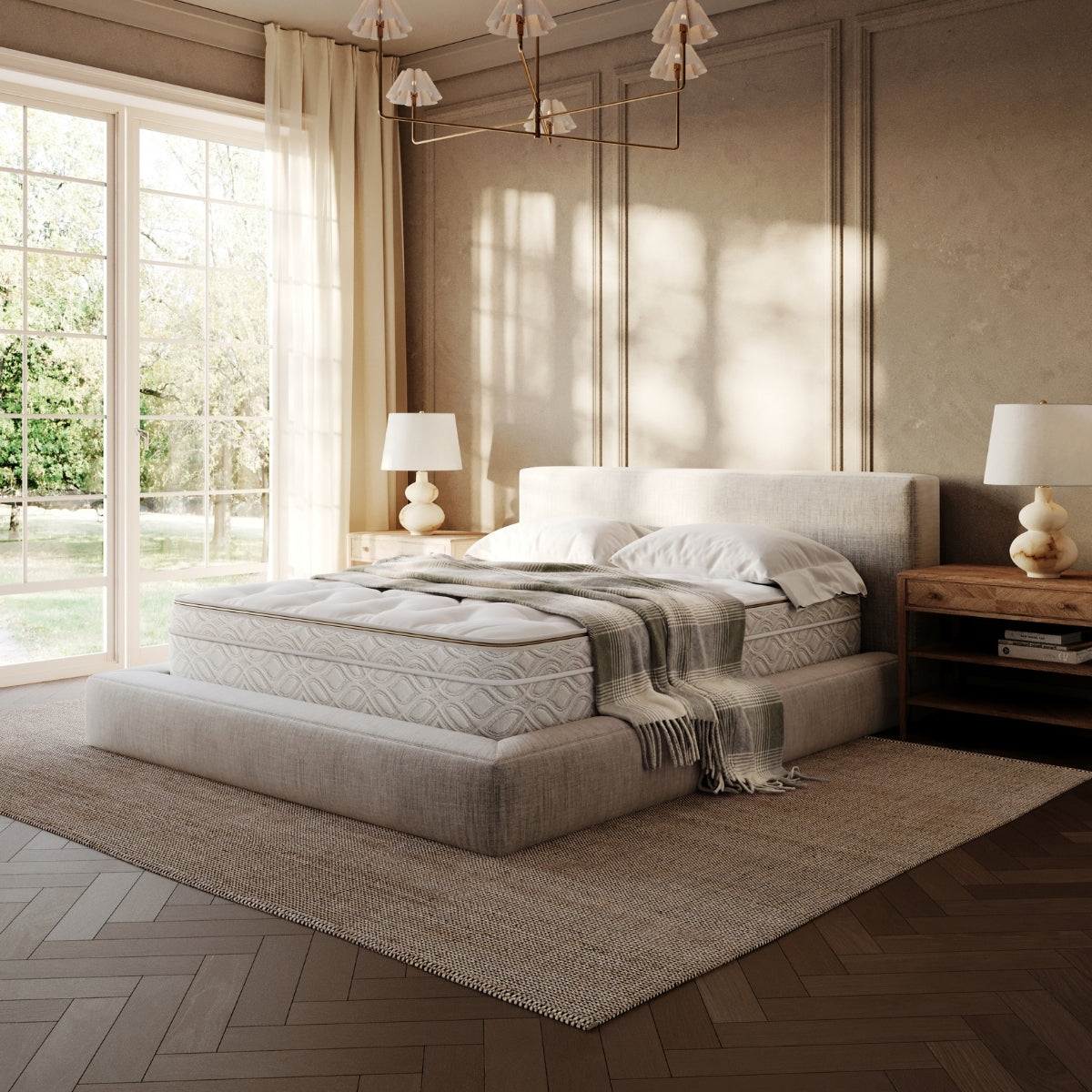
Physical comfort matters, too. A supportive mattress, comfortable pillow, and breathable bedding can help prevent overheating, pressure, or other discomfort from becoming one more thing competing for your attention.
At Naturepedic, we believe your bed should be a comfortable place to rest, not another source of worry. Choosing organic mattresses and bedding made without flame retardants, fiberglass, polyurethane foam, or other materials you may prefer to avoid can offer greater peace of mind about what surrounds you while you sleep.
If temperature regularly interferes with your rest, learn more about why you may get hot while sleeping and how your sleep environment may contribute.
What to Do When Anxiety Keeps You Awake

11. Stop Forcing Sleep
Once you are in bed, trying harder to sleep can become part of the problem. Sleep is not a performance, and you cannot force it through concentration or willpower.
Begin by turning the clock away and placing your phone out of reach. Repeatedly calculating how many hours remain before morning can turn a difficult night into a countdown and increase the pressure you feel to fall asleep.
If you are resting comfortably, you do not need to get up the moment sleep does not come. However, if lying awake is making you increasingly frustrated, alert, or anxious, move to a quiet, dimly lit space and choose a low-stimulation activity. Read a familiar book, listen to calm audio, or complete a simple puzzle. Return to bed when you begin to feel sleepy.
This approach, known as stimulus control, is one component of cognitive behavioral therapy for insomnia. It is intended to strengthen the association between bed and sleep rather than bed and prolonged frustration. The NHLBI describes CBT-I as the treatment generally recommended first for long-term insomnia.
When an anxious thought arises, try acknowledging it without attempting to solve it from bed:
“I am noticing that I am worried about tomorrow. I do not need to solve this right now. I can return to it in the morning.”
This does not require you to convince yourself that everything is fine. It simply recognizes that a thought does not always require immediate action.
12. Know When to Seek Professional Support
Healthy sleep habits can support better rest, but they are not a replacement for treatment when anxiety or insomnia becomes persistent. Difficulty sleeping is not a personal failure, and you do not need to wait until your symptoms become overwhelming to ask for help.
Consider speaking with a healthcare provider or licensed mental-health professional if:
- Anxiety or sleep problems continue for several weeks
- Your symptoms interfere with work, school, relationships, driving, or daily responsibilities
- You regularly dread bedtime or experience panic when trying to sleep
- You rely on alcohol, cannabis, medication, or supplements to fall asleep
- You experience loud snoring, gasping, breathing pauses, uncomfortable leg sensations, or extreme daytime sleepiness
- Your mood, behavior, appetite, or ability to function has changed significantly
A healthcare professional can help determine whether your symptoms may be related to temporary stress, an anxiety disorder, insomnia, another sleep disorder, medication effects, or an underlying health condition.
For long-term insomnia, CBT-I is generally recommended as the first treatment. The NHLBI describes it as a structured treatment that addresses the thoughts and behaviors that can perpetuate sleep difficulties. Treatment may include relaxation techniques, sleep-schedule adjustments, stimulus control, and strategies for changing unhelpful beliefs about sleep.
Should You Take Melatonin or Another Sleep Supplement?
Do not assume that a sleep supplement is appropriate simply because it is described as natural. Supplements may cause side effects, interact with medications, and vary in quality or dosage.
Melatonin may be useful for certain sleep-timing concerns, but research does not clearly support it as a treatment for chronic insomnia. Information about the safety of long-term use is also limited, according to the National Center for Complementary and Integrative Health.
Evidence for magnesium supplements as an insomnia treatment is also limited. Speak with a qualified healthcare professional before starting melatonin, magnesium, herbal products, CBD, or another sleep aid, particularly if you take medication, have an existing health condition, or are pregnant or breastfeeding.
Better Sleep Begins With Less Pressure
When anxiety keeps you awake, sleep can start to feel like one more problem you need to solve. But sleep does not respond well to pressure. It becomes more accessible when your schedule, habits, thoughts, and surroundings send consistent signals that the day is over and it is time to rest.
These 12 steps are not a checklist you need to complete perfectly. Start with the changes that feel realistic: create time for your worries before bed, keep a consistent wake time, reduce nighttime stimulation, or leave the bed when frustration builds. Pay attention to what helps, and give new habits time to become familiar.
A calming routine and comfortable sleep environment may support the process, but persistent anxiety or insomnia is not something you have to manage alone. Professional support can help you understand what is keeping the cycle going and find a treatment designed for your needs.
Have feedback on our story? Contact us to let us know what you think or visit our about us page to learn more!