



Sleep apnea is more common than many people realize – and more disruptive than most expect. Affecting millions across the globe, the condition causes breathing to repeatedly stop during sleep, prompting the brain to wake you just enough to start breathing again. Over time, those pauses prevent your body from reaching the deep, restorative stages of sleep it needs. You may wake up groggy, deal with brain fog or feel run down day after day – without realizing your sleep is being interrupted dozens of times a night.
There are two main types of sleep apnea: obstructive sleep apnea (OSA) and central sleep apnea (CSA). Each is unique in why and how they occur, but both can take a toll if left untreated. Understanding how they differ is the first step toward recognizing the signs, finding the right treatment and getting back to truly restorative sleep.
Please note: This overview is for informational purposes only and should not be taken as medical advice. While Naturepedic strives to provide accurate, up-to-date information about sleep health, we are not healthcare providers. If you think you may have sleep apnea, talk to your doctor or a qualified sleep specialist for evaluation and care.
What Is Sleep Apnea?
Sleep apnea is a sleep disorder that causes repeated pauses in breathing throughout the night. Each pause, or apnea event, can last from a few seconds to nearly a minute and may happen dozens of times per hour. These interruptions lower oxygen levels and prevent the body from entering deep, restorative stages of sleep.
Even after a full night in bed, people with sleep apnea often wake up tired. Common symptoms include loud snoring, gasping for air, waking up with a dry mouth or headache and persistent daytime fatigue. Since these can overlap with other sleep issues, diagnosis usually requires a sleep study to track breathing, oxygen levels and brain activity overnight.
Anyone can develop sleep apnea, though risk factors include nasal congestion, certain medical conditions and excess weight. Left untreated, the condition may contribute to high blood pressure, heart disease and decreased concentration.
Key Takeaway:
Sleep apnea doesn’t just affect your nights – it impacts your days, too. Recognizing the signs early can help you get the restorative rest your body needs.
Obstructive Sleep Apnea (OSA)
Of the two main types of sleep apnea, obstructive sleep apnea (OSA) is the most common – affecting up to one billion people.

This is the that type most people are thinking of when they hear “sleep apnea,” so let’s look at the specifics.
What Happens During Obstructive Sleep Apnea
During OSA, the muscles that support the soft palate, tonsils, tongue and throat walls relax, allowing the airway to narrow or close as you breathe in. When that happens, oxygen levels drop and the brain triggers a brief wake-up reflex so you can reopen your airway. You might snore, choke or gasp – often without realizing it. These cycles repeat through the night, fragmenting sleep and leaving you exhausted even after hours in bed.
Risk factors for OSA include excess weight, enlarged tonsils, nasal congestion, hormonal changes or the use of alcohol, sedatives or tobacco. It’s also more common in men and older adults.
Common Symptoms
Obstructive sleep apnea symptoms often go undiagnosed for years because they mimic other sleep issues. The most common signs include:
- Loud, chronic snoring (often noticed by a partner)
- Gasping or choking during sleep
- Restless sleep or frequent awakenings
- Morning headaches or a dry mouth
- Persistent fatigue or trouble focusing during the day
Because snoring is so common, many people don’t realize it could signal something more serious, especially if no one witnesses the breathing pauses that occur overnight.
How It’s Diagnosed and Treated
Diagnosis typically happens through a sleep study – either in a clinic or at home – that tracks breathing, oxygen and heart rate overnight. Treatment focuses on keeping the airway open during sleep and may involve:
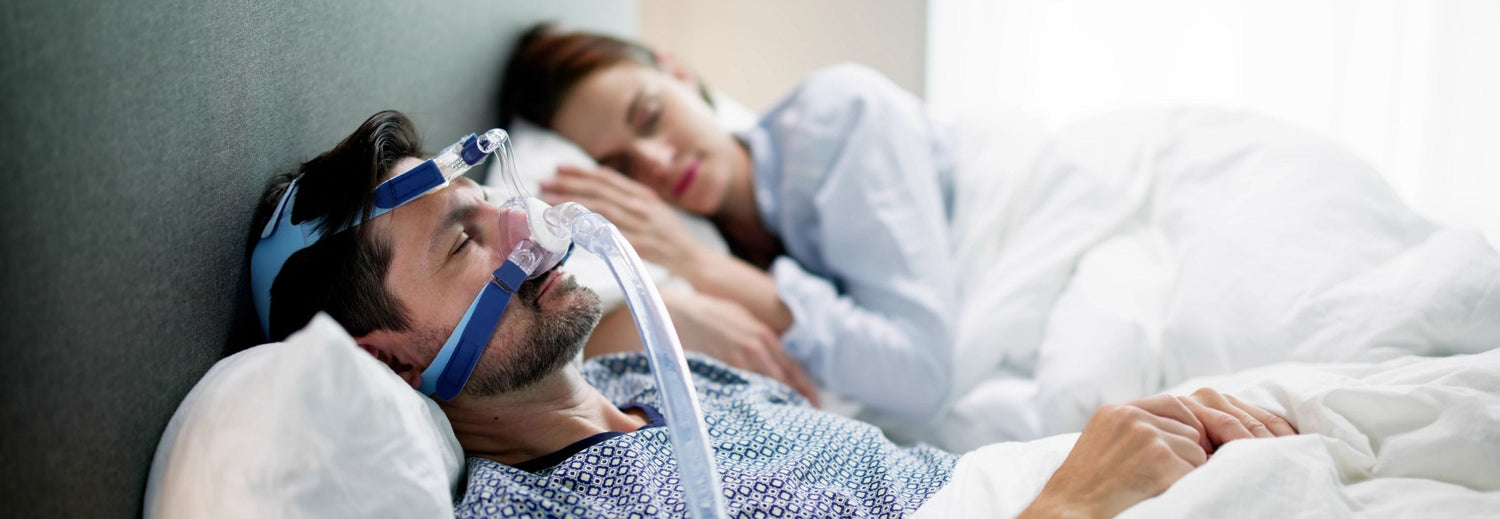
- CPAP therapy (continuous positive airway pressure), which delivers steady air pressure to prevent the airway from collapsing.
- Oral appliances that gently reposition the jaw to improve airflow.
- Lifestyle adjustments such as side sleeping, maintaining a healthy weight and limiting alcohol or sedatives before bed can also help.
- In more severe cases, surgery may be considered.
The right treatment can dramatically improve energy, focus and long-term health.
Central Sleep Apnea (CSA)
While OSA stems from a physical blockage, central sleep apnea (CSA) begins in the brain.

Central sleep apnea is a less common type of the sleep disorder, but understanding how it works helps explain why its symptoms can be harder to spot.
What Happens During Central Sleep Apnea
During CSA, the issue isn’t airway blockage but communication. The brain temporarily fails to tell the diaphragm and chest muscles to move, so breathing stops for several seconds. When oxygen levels fall, the body briefly wakes to restart breathing – often without full awareness.
CSA is less common and usually linked to underlying conditions that affect how the brain regulates breathing, such as heart disorders, opioid medications or previous strokes.
Common Symptoms
Because CSA doesn’t involve airway obstruction, it often occurs without snoring – making it harder to detect. Common signs include:
- Insomnia
- Waking up short of breath or feeling panicked
- Daytime sleepiness or trouble concentrating
How It’s Diagnosed and Treated
Like OSA, CSA is diagnosed through a sleep study that measures brain activity, oxygen levels and breathing effort. Treatment targets the underlying cause – for example, managing heart conditions or adjusting medications can reduce episodes. Other options may include:
- Adaptive servo-ventilation (ASV) or CPAP therapy to regulate airflow
- Supplemental oxygen
- Implantable nerve stimulators, under medical supervision
Addressing CSA supports both sleep quality and cardiovascular health.
Why Understanding the Types of Sleep Apnea Matters
Knowing whether your sleep apnea is obstructive or central is essential to finding the right care.

Though both conditions disrupt sleep and reduce oxygen, their causes differ – and so do their treatments.
Left untreated, sleep apnea can do more than cause fatigue. Repeated oxygen drops strain the heart and blood vessels, increasing the risk of high blood pressure, heart disease and stroke. Poor sleep also affects mood, memory and concentration, which can ripple into daily life.
Getting a proper diagnosis through a sleep study and working with a qualified healthcare provider can restore deeper rest, improve energy and support long-term well-being.
Supporting Healthier Sleep at Home
Medical treatment is key for managing sleep apnea, but your sleep environment also plays a role in how well you rest. A sleep space that promotes calm and comfort helps your body relax and reach deeper stages of sleep.
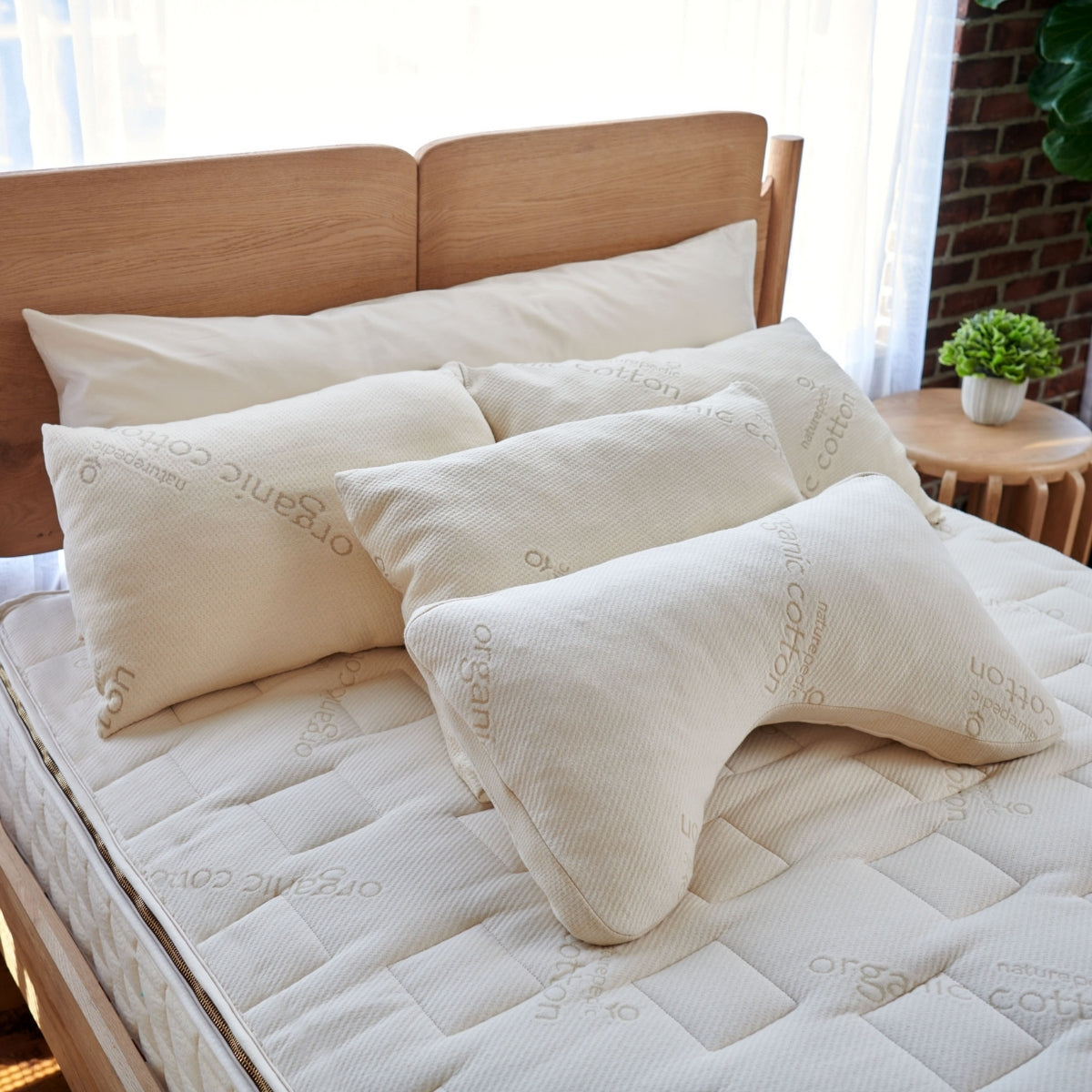
Following healthy sleep hygiene, keeping a consistent bedtime routine, avoiding alcohol and caffeine before bed and trying to sleep on your side to reduce nighttime breathing disruptions. A clean, comfortable setup matters, too. Choosing a mattress and bedding made with certified organic materials can help you breathe easier and rest more comfortably – so you can focus on giving your body the restorative sleep it deserves.