
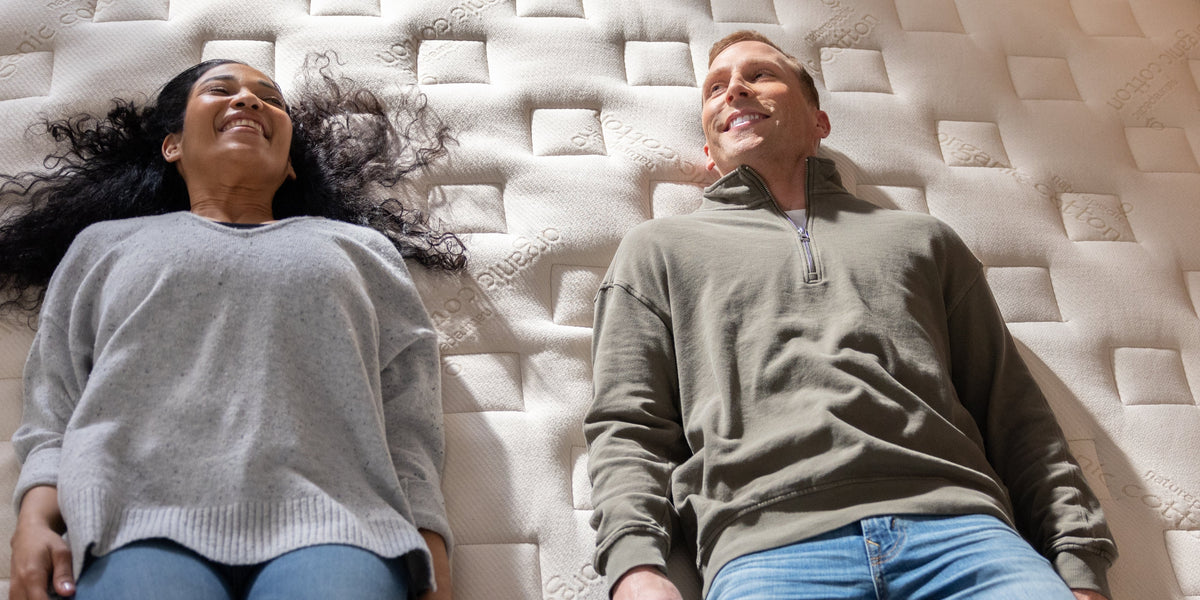
Ah, there’s nothing quite like sinking into a soft, cushy mattress that gently hugs you at the end of a long day. What could be better than a hug from your own bed, right?
Unless … you are vehemently shaking your head. If so, you’re not alone. Many people sleep poorly on soft mattresses and may rewrite the beginning of this post to say, “Ah, there’s nothing better than a firm, supportive mattress that never sags.”
You get the point. The “perfect” mattress firmness depends on who you ask. This is because your ideal mattress firmness is based on a variety of factors related to your personal sleep needs. And getting it right is actually very important.
Sleeping on a mattress that is too soft or too firm could be the reason why you wake up with back pain or why you feel just as tired in the morning as you do before you fall asleep at night. However, selecting the right firmness can be tricky — especially if you’re buying a mattress online. Don’t worry, the mattress firmness scale is a simple tool that can help you in your pursuit of healthy, restorative sleep.
Mattress Firmness: Key Points
- Mattress firmness describes how soft or firm a mattress feels and is commonly discussed using a 1-to-10 scale.
- Firmness and support are not the same thing. Firmness describes the surface feel, while support relates more closely to how the mattress helps maintain alignment.
- Your preferred firmness can depend on several factors, including your body, sleep position, mobility, and comfort preferences.
- Couples do not necessarily need the same firmness. Customizable mattresses can allow each person to choose a different comfort level on their side of the bed.
- Babies and young children have different firmness needs than adults, particularly when it comes to crib mattresses.
Note: This blog may contain links to Naturepedic products and promotional content where relevant to the topic discussed.
What Is the Mattress Firmness Scale?
Mattress firmness simply refers to how soft or hard a mattress feels when you rest on it. Firmness isn’t objectively “good” or “bad.” It’s just personal preference.
Mattress firmness itself is actually rather subjective. What feels soft to you may feel fairly firm to someone else. Complicating matters, some mattresses can be very mushy at the surface but firmer below. Other mattresses can have more of an overall “softness,” but it’s not just at the surface. So how do you rate one versus the other?
While there is no official industry measurement for firmness, the mattress firmness scale is commonly accepted as a 10-point standard to help mattress shoppers and mattress manufacturers get on the same page. The mattress firmness scale runs from 1 to 10, with 1 being the softest, or “plushest,” option and 10 being the firmest. It’s not a perfect system, but it’s a useful starting point.

The softest mattresses (1-2) offer little to no added support but provide that squishy “hug” feeling. Extra firm mattresses (9-10) have none of that “sinking” feeling, offering instead enhanced support but almost no cushion. Again, we can’t stress enough that:
- The mattress firmness scale is not a definitive system but merely a general guide
- Mattress firmness is not a “right” or “wrong” situation — it’s your call entirely
Firmness vs. Support
Firmness and support may sound the same, but these terms refer to different aspects of a mattress. Firmness, as we mentioned, is the immediate feel of the mattress against your body. It’s determined by the upper “comfort” layers that sit above the base of a mattress.
Support, on the other hand, is determined by the base layer and is related to spinal alignment. Support layers in conventional mattresses are commonly made from materials like:
- Steel springs
- Latex
- Polyurethane foam/memory foam
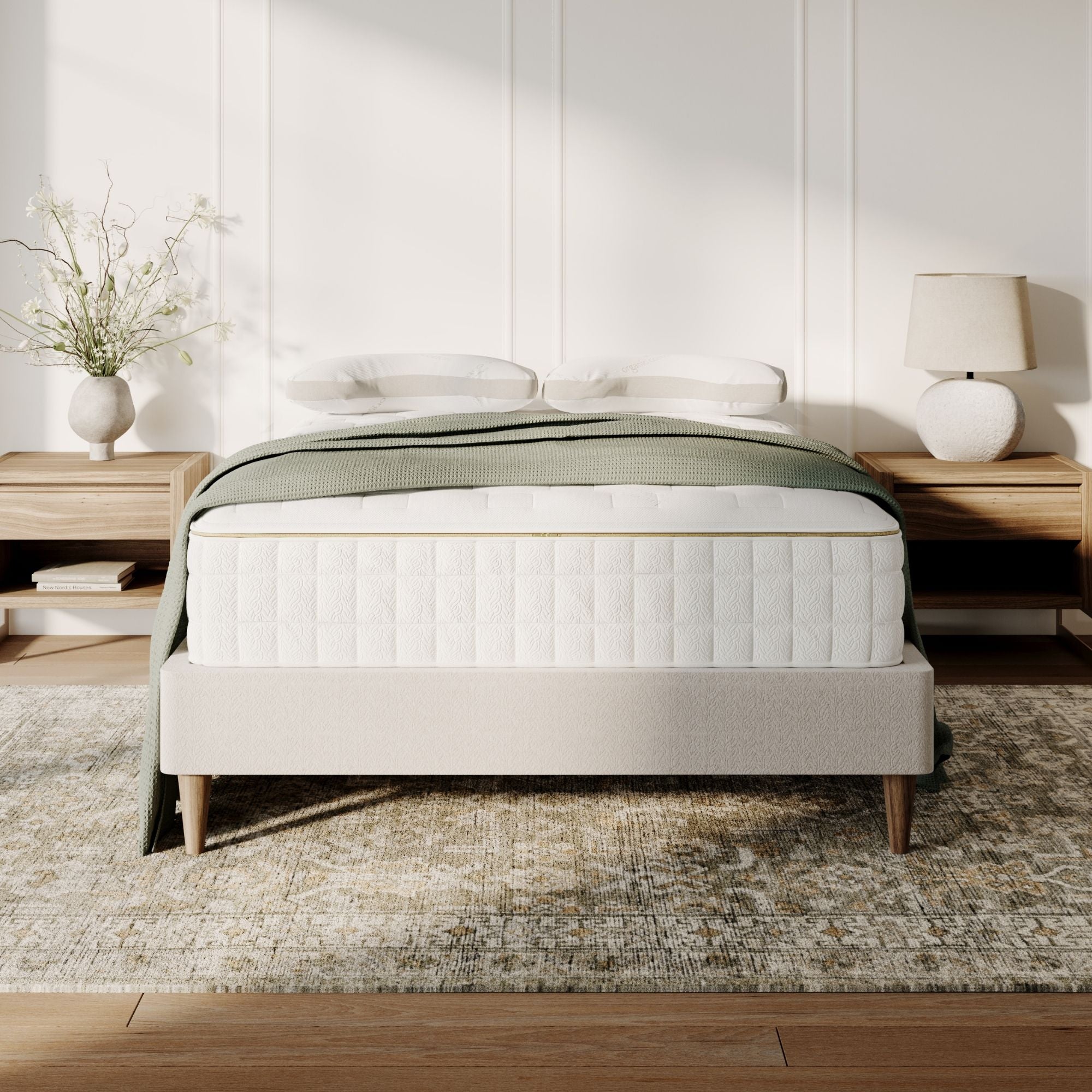
At Naturepedic, we only use materials made by or mindful of Mother Nature in our certified organic mattresses. That means instead of polyurethane foam for support, we use individually encased coils made of recycled steel and GOTS-approved latex.
What to Consider with Mattress Firmness
Right — on to the big question. What level of mattress firmness do you need for your best night’s sleep? There is no widely accepted scientific research on this. However, there are some useful factors to consider:

Body Basics
Your height and build are relevant here. Many believe if you’re on the heavier side or have a short, stocky build, you may be more comfortable on a firmer mattress that won’t sag and pull your hips out of alignment. If you weigh less than 130 pounds or have a slight build, a softer, body-conforming mattress may work for you.
Sleep Position
How you sleep plays a big role, and it’s all about alignment and pressure points. If you’re a side sleeper, many suggest a softer mattress to help alleviate the pressure you’re putting on your hips and shoulders. Whereas, if you’re a stomach sleeper, that same soft mattress can strain your neck or, if it sags at your midsection, result in some nasty lower back pain. You may want to look for a mattress from the middle of the scale and upward.
Are you a back sleeper? If so, you get a little more leeway. This is because sleeping on your back more evenly distributes your weight and naturally keeps you in alignment. You can probably start with a 4 to 6 on the mattress firmness scale and see how it feels.
Oh, and if you toss and turn all night, you may want a firm mattress that doesn’t restrict your movement.
Chronic Pain Issues
As outlined above, mattress firmness can add to neck, hip, shoulder, and back pain. If shoulder pain is the issue, your mattress may be too firm, causing your shoulder to rest at an awkward angle all night. Back pain often means you need something firmer. However, this is so closely tied to your body type and sleep position that it’s hard to select a firmness based on pain alone.
Age and mobility issues can factor in here, too. If lifting yourself off of your bed is a challenge, avoid a soft mattress that will only add to the effort.
Sleeping with a Partner?
Good news: you can both be comfortable! In the past, sleep partners had to choose a happy medium. However, when back pain and poor sleep quality result from the wrong mattress firmness, this hardly feels “happy.”

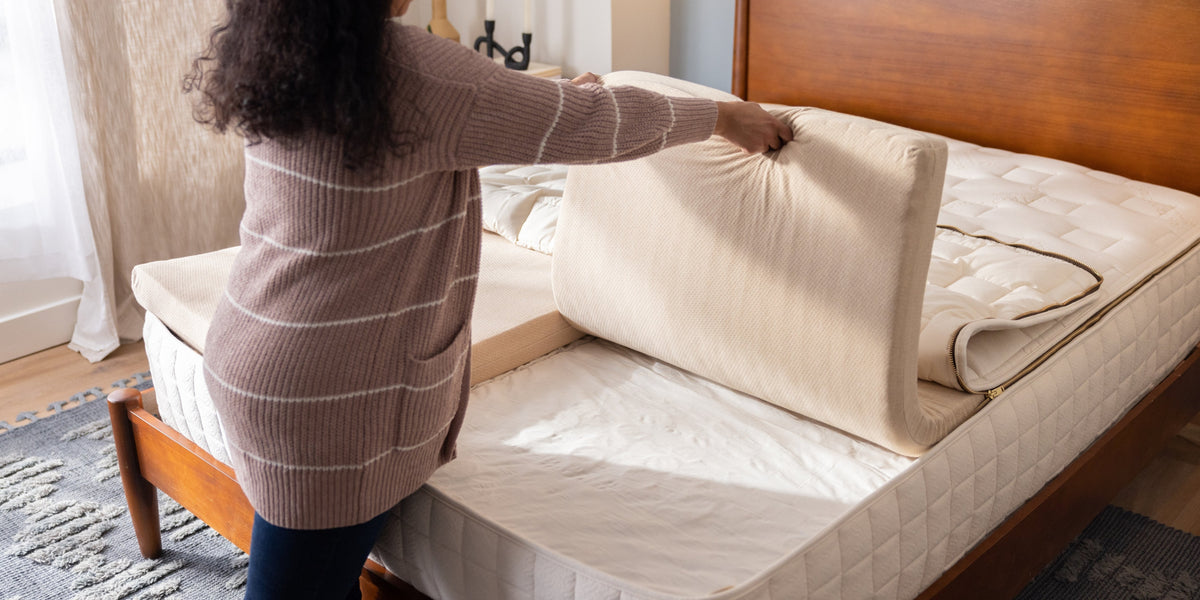
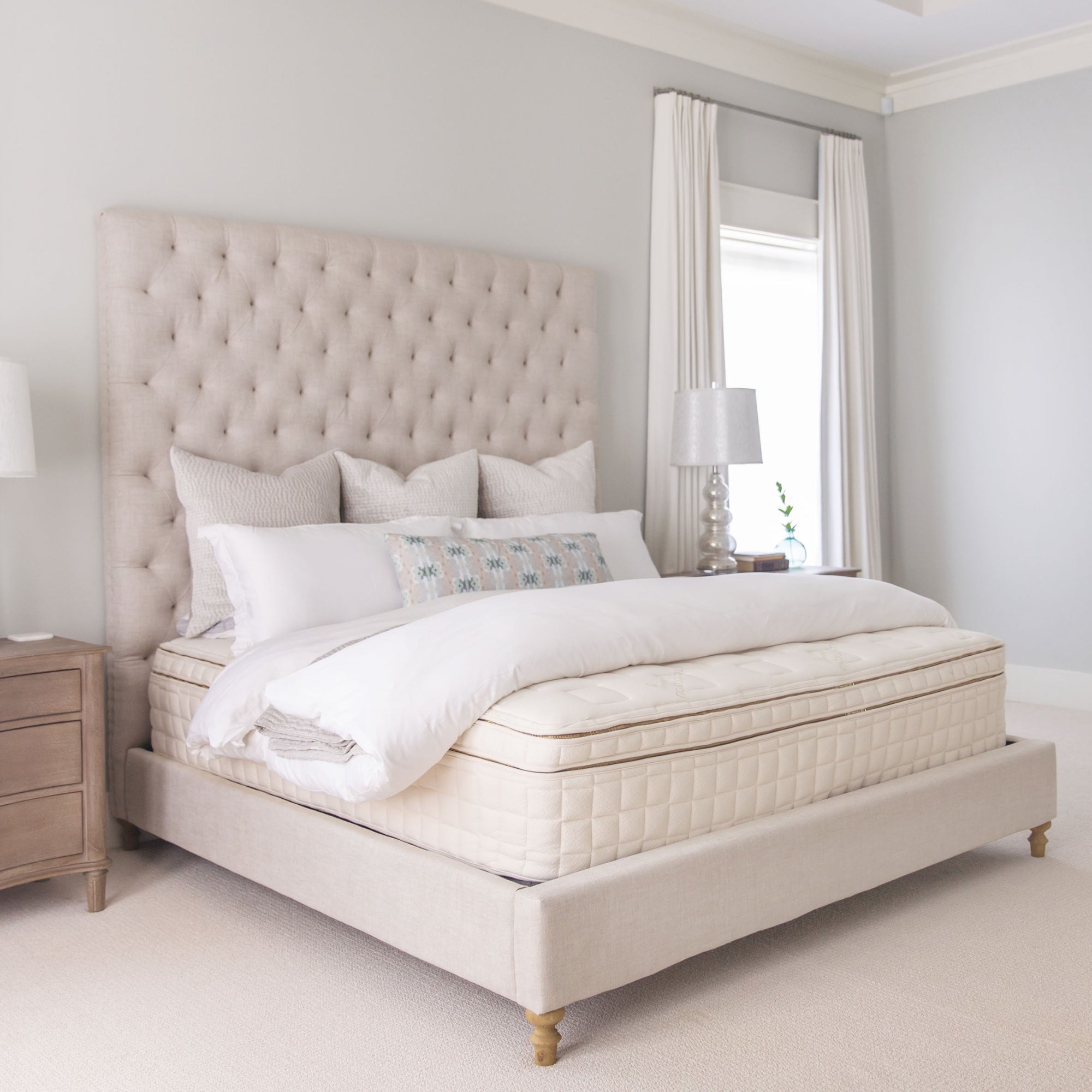
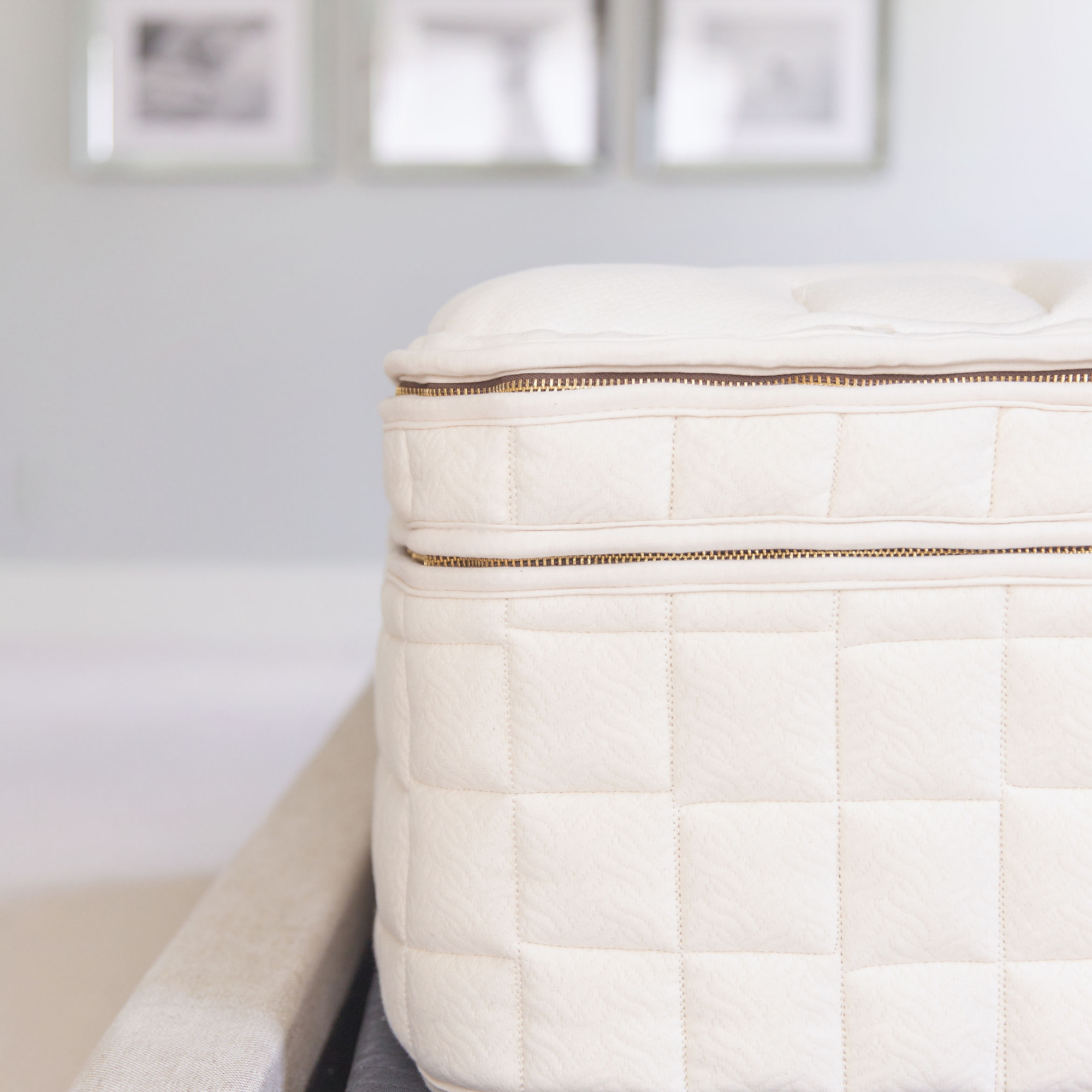
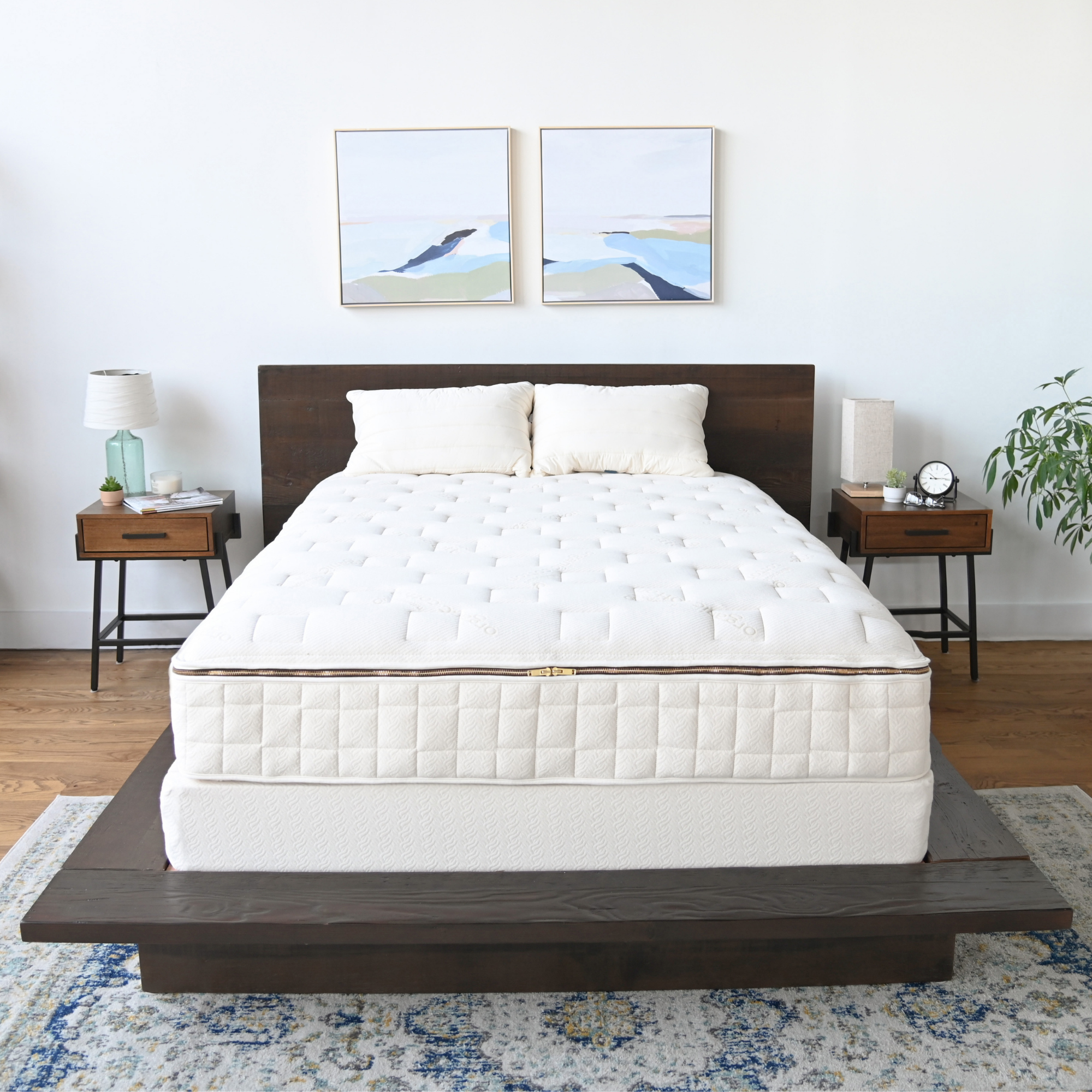
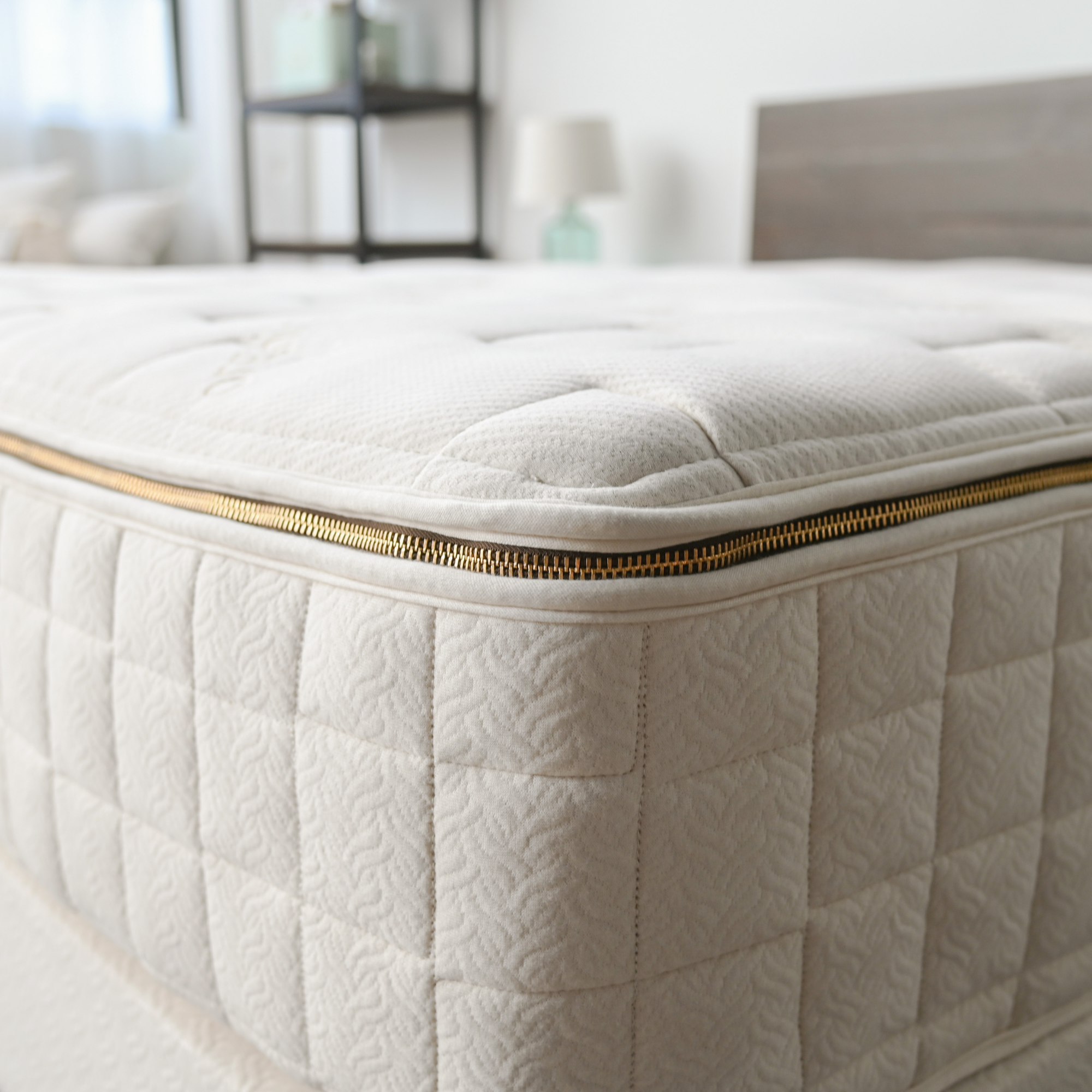
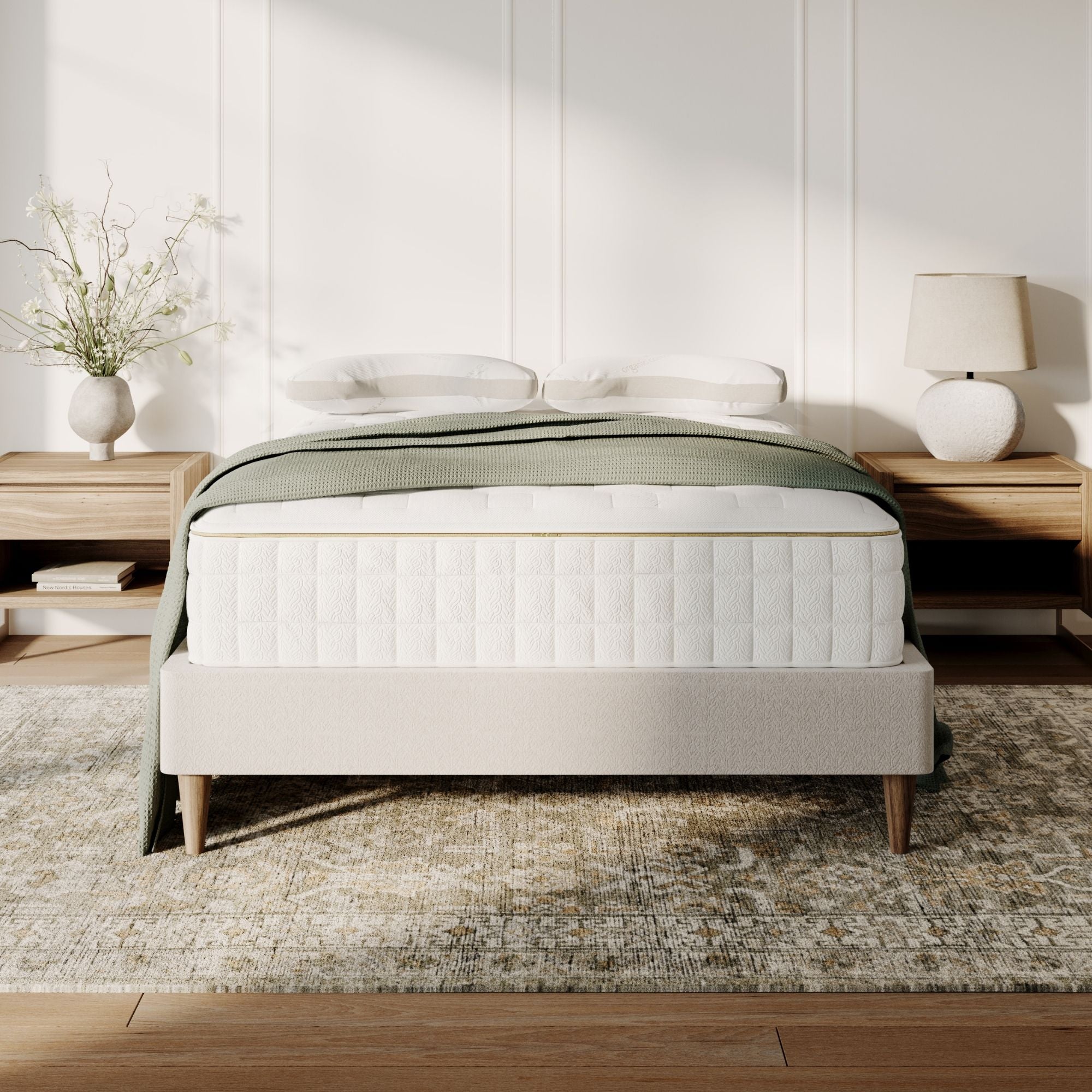
With customizable mattresses like the Naturepedic EOS series, you and your sleep partner can each select your own mattress firmness. The EOS features interchangeable comfort layers of GOTS-approved latex for use in certified mattresses (GOLS-certified or FSC®-certified). You can each choose soft, medium, or firm latex and can select your unique support layer in order to each build a comfort preference ranging from Ultra Plush to Extra Firm.
What’s more, the EOS comfort layers are easily accessible, meaning you can swap out comfort layers over time if your firmness preferences change. No matter what combination you choose, we can help you find your most comfortable sleep. Learn more about how our layers help provide personalized comfort here.
A Quick Note About Kids and Babies

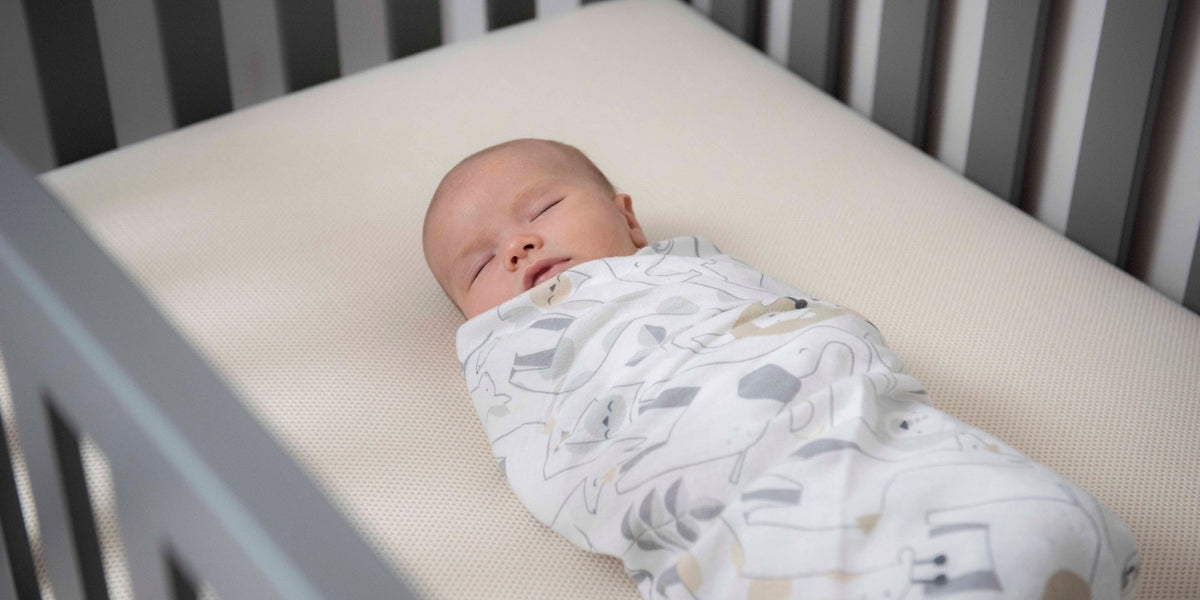
It’s important to note that kids (with their growing and developing skeletal systems) and babies (with their growing and developing, well, everything) have very different mattress firmness needs than adults. In fact, both the American Academy of Pediatrics (AAP) and the U.S. Consumer Product Safety Commission (CPSC) recommend a firm crib mattress for babies. Mattresses that may feel way too firm to you are the safest option for little ones.
Have feedback on our story? Contact us to let us know what you think or visit our about us page to learn more!