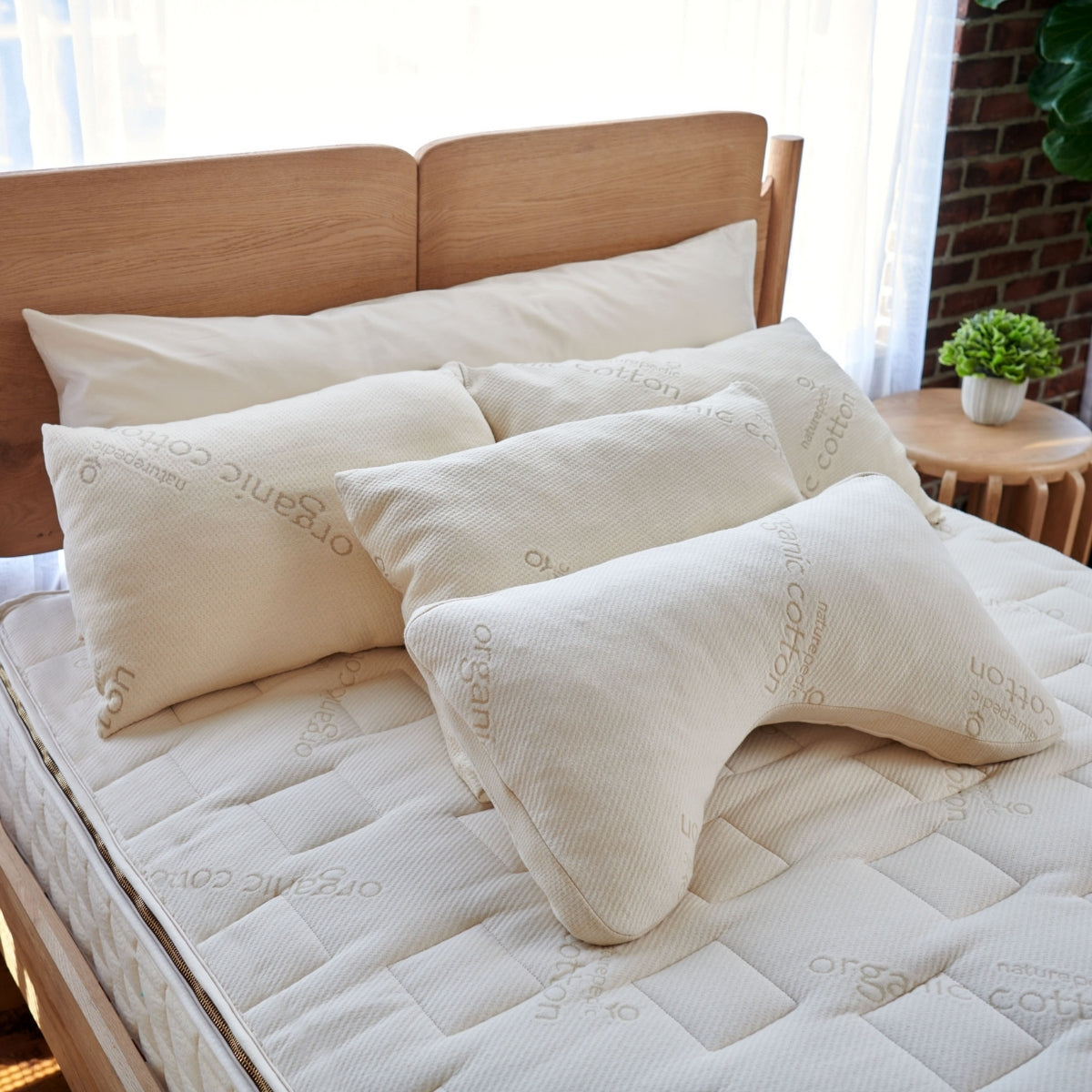
When it comes to choosing healthier, non-toxic bedding or a new mattress, the materials inside matter just as much as what’s on the outside. More and more consumers are paying attention to what fills their pillows, comforters and mattresses – not just for comfort, but for sustainability and safety, too.
Cotton is obviously the most popular natural material you head about when it comes to organic bedding, but two other plant-based materials that often come up in this conversation are kapok and PLA fiber. While both are seen as alternatives to conventional synthetic fills, they’re quite different in how they’re made and how they perform – and let’s be honest, they’re not exactly household names. If you’ve never heard of either before, you’re not alone.
In this blog, we’ll break down the key differences between kapok and PLA so that you can make more informed choices about what’s inside your sleep environment.
What Is Kapok?
Kapok is a naturally occurring, ultra-light fiber harvested from the seed pods of the kapok tree (Ceiba pentandra), a tropical species native to Central and South America, West Africa and Southeast Asia.

Sometimes called "silk cotton," kapok has been used for centuries as a natural fill in pillows, cushions, duvet inserts and even life jackets, thanks to its buoyant, fluffy texture.
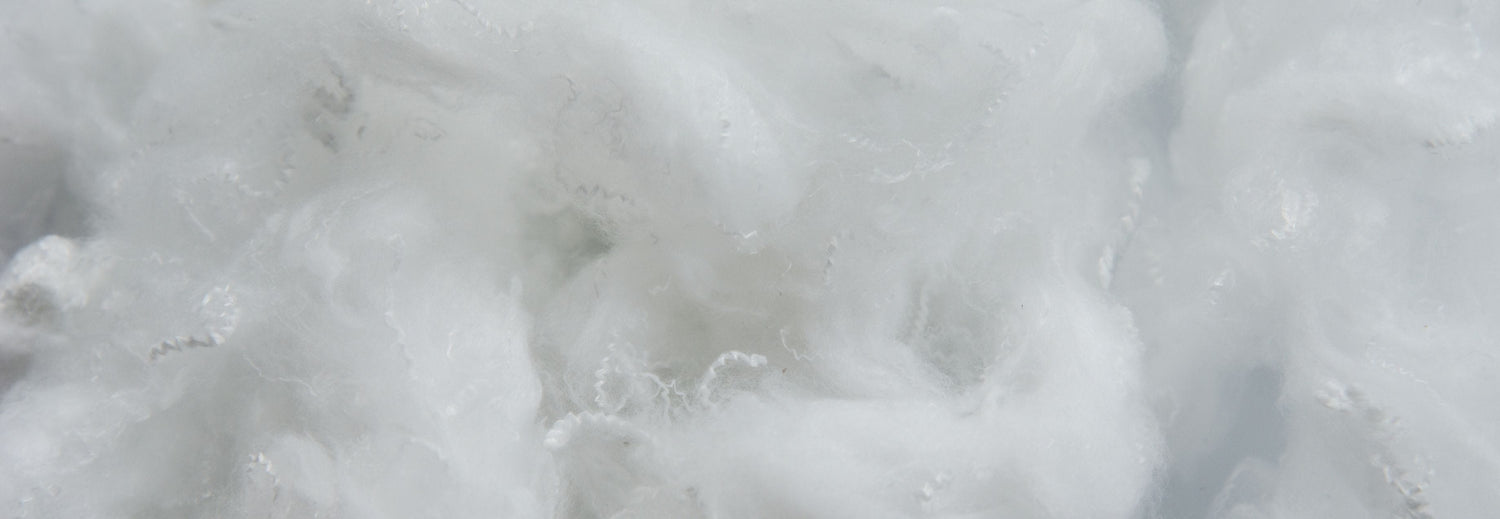
The fiber itself is soft, airy and almost weightless, with a down-like feel that makes it especially popular in natural and organic pillows and duvets. Kapok is also naturally water-resistant and allergy-friendly, with no need for harsh chemical processing to achieve its softness or performance.
What makes kapok especially attractive from a sustainability standpoint is that it grows wild, meaning that it doesn’t require pesticides, irrigation or cultivation. The trees are not cut down to harvest the fiber – instead, the seed pods are simply collected, making kapok a low-impact, renewable resource.
In short, kapok is:
- 100% natural and minimally processed
- Silky-soft and ultra-light
- Naturally resistant to moisture and allergens
- Sustainably harvested from wild-growing trees
It’s a great choice if you’re looking for a natural alternative to down or synthetic fills without the weight or the worry.
What Is PLA Fiber?
PLA stands for polylactide or polylactic acid, a fiber made from renewable plant starches (most commonly corn, though at Naturepedic we use non-GMO sugarcane). Despite the high-tech sounding name, PLA is considered a bioplastic, meaning it’s made from natural, plant-derived ingredients rather than petroleum-based sources. It’s often used in everything from compostable packaging to mattress and pillow fills.

To make PLA fiber, sugars from the plant starch are fermented and processed into a resin, which is then spun into a soft, resilient fiber. The result is a material that performs similarly to traditional synthetic fills, offering durability, shape retention and moisture resistance – without the same environmental or chemical concerns.
Unlike kapok, which is used in its raw natural form, PLA is more engineered. However, it's still considered a safer, plant-based alternative to conventional polyester and polyurethane foam, especially when manufactured without harmful additives.
Key characteristics of PLA fiber:
- Made from plant starches (like corn)
- Durable and resilient, with a supportive, down-alternative feel
- Naturally moisture-wicking and resistant to clumping
- Compostable in industrial settings, and lower impact than petroleum-based synthetics
You’ll often find PLA fiber used in comfort layers of mattresses or in products where moisture resistance and long-term durability are important, especially in baby and kids items where extra safety matters.
Kapok vs. PLA: Key Differences
While both kapok and PLA are plant-based alternatives to synthetic fills, they’re quite different in origin, structure and performance. Here’s how they compare:
Bottom line? Kapok and PLA both offer non-toxic, plant-based benefits, but one leans more natural and airy (kapok), while the other brings structure and durability (PLA). The best choice depends on the performance you’re looking for in your bedding or mattress.
FAQs About Kapok and PLA
Still have questions? Here are a few common ones about kapok and PLA to help clear up the confusion.
Is PLA Fiber Safe for Babies?
Yes! PLA fiber is widely used in baby and children’s mattresses, especially in products designed to be non-toxic and moisture-resistant. While it’s technically a bioplastic, PLA is derived from plants (like corn starch), so it avoids the chemicals typically found in petroleum-based foams. When manufactured without additives, PLA can be a safer, plant-based option for infant sleep surfaces.
Can PLA Be Considered Organic?
No. PLA is plant-based, but not considered organic. The term “organic” is reserved for materials that are grown and processed according to strict agricultural standards, like organic cotton, and certified to an organic standard, like the Organic Content Standard (OCS) or the Global Organic Textile Standard (GOTS).

PLA, on the other hand, is engineered from plant starches through fermentation and heat processing, so while it's derived from organic resources, it doesn’t meet organic certification criteria. However, it can be approved for use in organic products!
Is Kapok Better Than Down?
It depends on what you’re looking for. Kapok offers a soft, fluffy feel similar to down but comes from a plant instead of animals, making it a great vegan alternative. It’s naturally allergy-friendly, doesn’t require chemical treatments and is harvested without harming the tree. While down may offer more loft and insulation, kapok is lighter, more breathable and better suited for those avoiding animal products or allergens.
Does Kapok Hold Up Over Time?
Kapok is very soft and lightweight, but it can compress or clump over time, especially with heavy use or exposure to moisture. While it's a great choice for plush comfort, it may require occasional fluffing or redistribution to maintain loft. In products where long-term structure is important, kapok is often paired with other supportive materials.
Interesting Fluff, Huh?
Kapok and PLA may not be the most familiar names in the world of bedding, but they’re powerful alternatives to conventional fills. Whether you prefer the soft, airy feel of kapok or the structured, moisture-resistant properties of PLA, both materials offer safer, plant-based options for a healthier sleep environment.
Understanding what’s inside your mattress or pillow can empower you to make more informed, intentional choices, not just for comfort, but for your wellbeing and the planet. So next time you see “kapok” or “PLA” on a product tag, you’ll know exactly what it means (and why it matters).