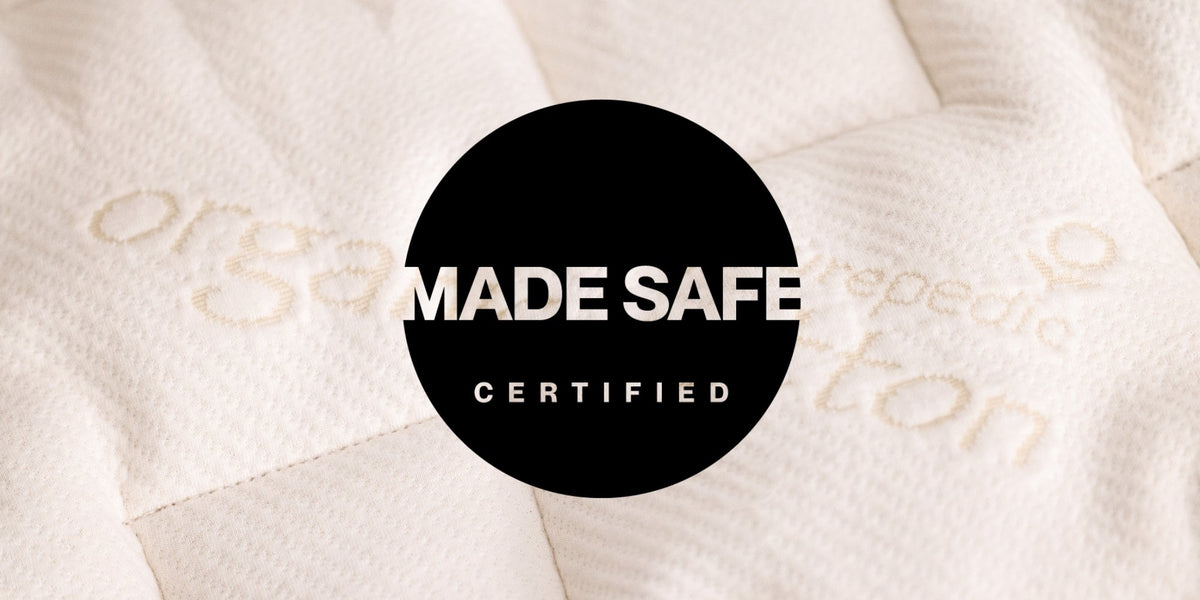
Certifications can feel overwhelming, especially when many of them sound similar but measure very different things. MADE SAFE® stands apart because it looks beyond surface-level claims and evaluates what products are truly made of. Rather than focusing on a single material or manufacturing step, MADE SAFE takes a whole-product approach to help consumers identify products made without known harmful chemicals.
For brands like Naturepedic, this certification matters because it aligns with our Farm to Bed commitment to transparency, material integrity, and rigorous third-party verification — here's why it should matter to you.
MADE SAFE Certification: Key Points
- MADE SAFE evaluates the whole product, including primary materials, finishes, adhesives, coatings, and processing aids.
- Brands must provide full ingredient disclosure, and toxicologists review each component for known or suspected health and environmental hazards.
- Products that do not meet the standard must be reformulated before they can earn certification.
- Ongoing compliance is required, so material or supplier changes must be disclosed and reviewed.
- MADE SAFE complements other certifications by focusing on ingredient content rather than organic sourcing, textile processing, or finished-product emissions.
Note: This blog may contain links to Naturepedic products and promotional content where relevant to the topic discussed.
What Is the MADE SAFE Certification?
MADE SAFE is an independent, nonprofit certification that screens products for a wide range of substances known or suspected to harm human health, ecosystems, or indoor air quality. Importantly, this evaluation applies not just to what you can see, but to hidden components like adhesives, treatments, and processing residues. To earn the MADE SAFE seal, every component of a product, from raw materials to finishes, and processing aids, must be disclosed and evaluated.
The screening process is designed to identify chemicals that may be legally allowed but scientifically linked to long-term health or environmental concerns. MADE SAFE’s banned list includes:
- Behavioral toxins
- Carcinogens
- Developmental toxins
- Endocrine disruptors
- Chemical flame retardants
- Heavy metals
- Neurotoxins
- High-risk pesticides
- Reproductive toxins
- Toxic solvents
- Harmful VOCs
... and more. This ingredient-level screening is what differentiates MADE SAFE from certifications that focus only on performance, emissions, or a single material category.
How the MADE SAFE Certification Process Works
The MADE SAFE certification process is built around one core principle: full transparency.

First, brands must provide a complete ingredient disclosure for the product seeking certification. Like we mentioned above, this includes not just primary materials, but also finishes, adhesives, dyes, coatings, and any processing aids used during manufacturing. Even trace ingredients are reviewed, because small amounts can still matter when it comes to long-term exposure.
Next, these ingredients are evaluated by toxicologists against MADE SAFE’s extensive screening list. This list is informed by peer-reviewed science, government research, and authoritative hazard databases. Ingredients are assessed for known or suspected links to human health concerns, such as carcinogenicity, endocrine disruption, reproductive toxicity, and environmental persistence.
If any ingredient fails to meet MADE SAFE’s criteria, the product does not qualify as-is. Brands must reformulate or replace materials to remove problematic components before certification can move forward. There are no partial approvals or loopholes, ever — every component must meet the standard.
Even once a product earns MADE SAFE certification, the process doesn’t stop. Ongoing compliance is required, meaning any future changes to materials or suppliers must be disclosed and re-reviewed. This helps to ensure that certified products continue to meet the same criteria over time, not just at a single point during launch.
MADE SAFE vs. Other Common Certifications
Product certifications can serve very different purposes, which is why it’s helpful to understand what each one is designed to evaluate. Some certifications focus on how materials are grown or sourced, others on how a finished product performs, and others on what chemicals may be released into indoor air. MADE SAFE addresses a different question entirely: what ingredients are allowed to be in the product in the first place.

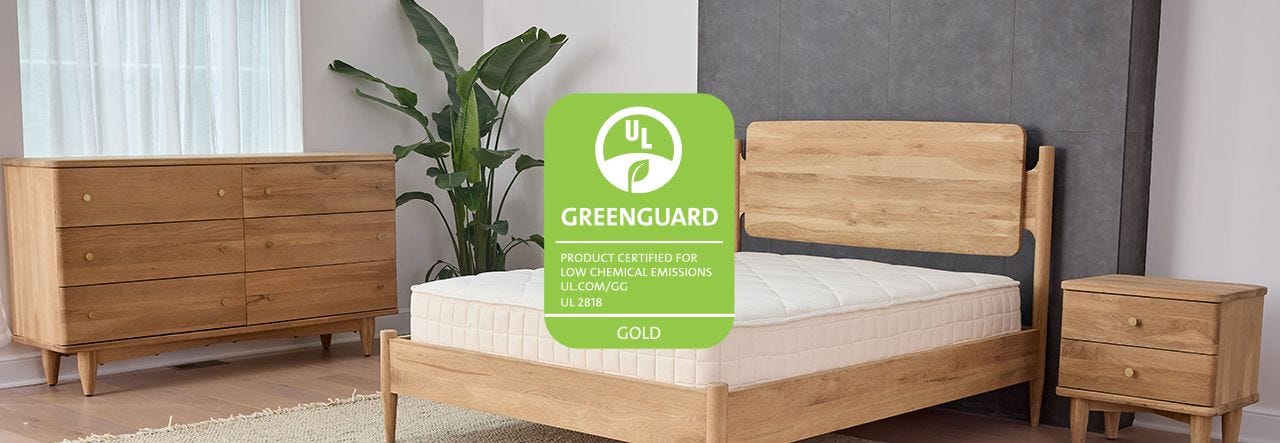
By contrast, certifications such as Global Organic Textile Standard (GOTS) focus on organic fiber content and responsible textile processing, while emissions-based certifications like GREENGUARD Gold measure how much a product emits into indoor air once it’s finished. These programs provide important information, but they evaluate different aspects of a product’s lifecycle.
Because each certification measures something distinct, they are often used together rather than in place of one another. When combined, these certifications provide a more complete picture of material sourcing, chemical content, and indoor environmental impact. Understanding these differences and how these certifications work together helps consumers to make more informed decisions.
How Important Is the MADE SAFE Certification for Mattresses and Bedding?
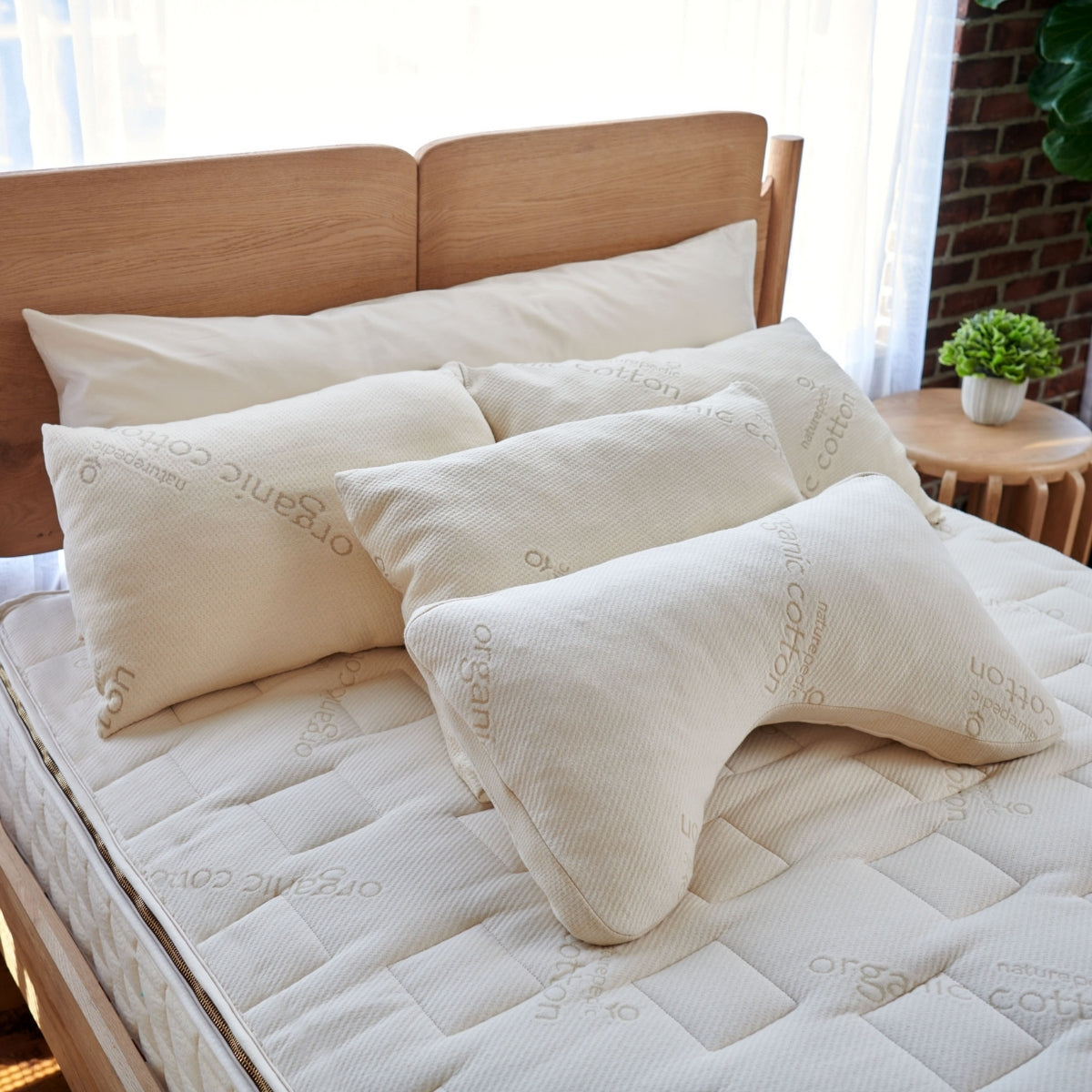
Humans spend approximately a third of our lives sleeping or trying to fall asleep. That’s a huge amount of time spent with your face pressed up against a mattress, and a lot of opportunity to breathe in harmful, off-gassing chemicals if that mattress is not made with safe ingredients.
Questionable materials, from flame retardants and vinyl to PFAS, formaldehyde, and more, are commonly found in mattresses that do not carry the MADE SAFE certification. The chemicals in these materials have been associated with a wide range of health concerns, including:
- Neurological damage
- Immune and endocrine system disruption
- Fertility issues
- Birth defects
- Cancer
... and more.

Naturepedic uses MADE SAFE certification as part of a broader approach to material transparency and third-party verification. By submitting full material disclosures and meeting MADE SAFE’s strict screening criteria, Naturepedic helps provide customers with clarity — not marketing shortcuts or greenwashing — about what goes into their sleep environment.
Is MADE SAFE Worth Looking For?
If you want confidence that a product has been evaluated for a wide range of known harmful substances (not just tested for emissions or performance), the MADE SAFE certification is a meaningful indicator. It doesn’t replace other certifications, but it adds an important layer of ingredient-level accountability.
Have feedback on our story? Contact us to let us know what you think or visit our about us page to learn more!