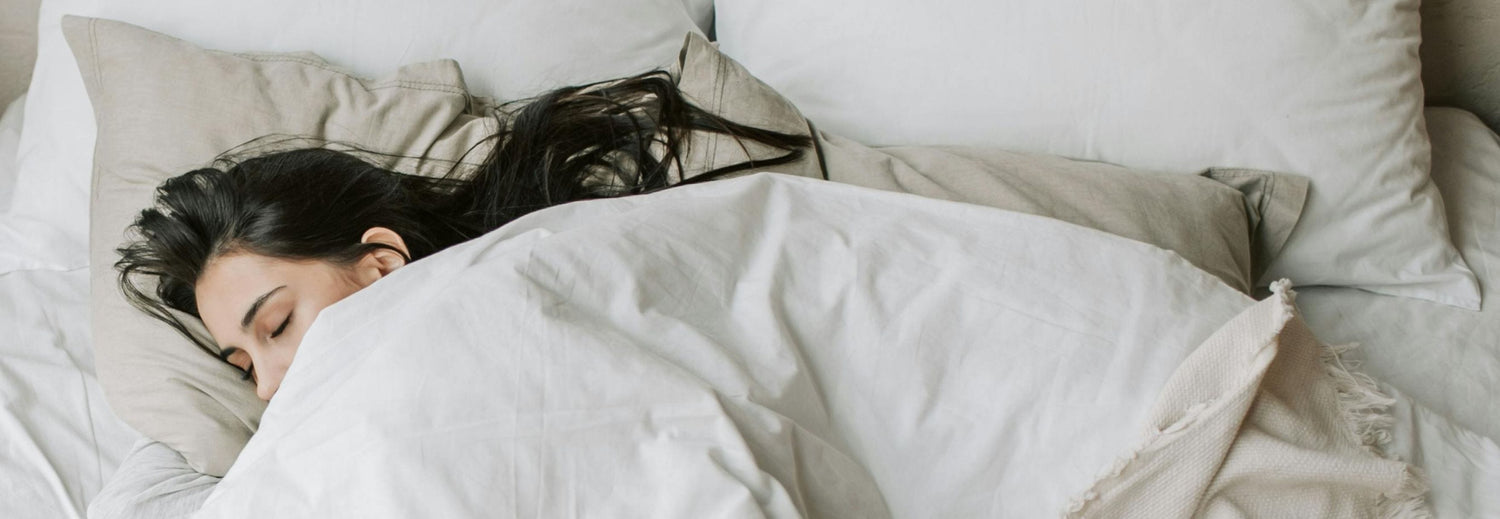
You’ve heard the saying “slept like a baby,” but have you ever thought about it? Babies sleep peacefully, alone. They don’t have someone in the crib snoring or playing on their phone or watching TV – it’s silent.
And the best sleep happens in quiet places, and sometimes there is nothing better than sleeping in a big bed all by yourself. Sleeping alone is often framed as something to worry about, but for many people, it’s actually one of the simplest ways to improve sleep quality. Whether you’re single, traveling solo or practicing a modern “sleep divorce,” having the bed to yourself can support deeper, more restorative rest.
While sharing a bed can be comforting, it also introduces disruptions that quietly chip away at sleep over time. From noise and temperature differences to mismatched schedules, sleeping alone removes many of those variables. Here are five evidence-backed reasons why sleeping solo can be genuinely beneficial.
1. Better Sleep Starts With Silence
One of the most immediate benefits of sleeping alone is reduced nighttime noise. Snoring, coughing, shifting positions, alarms and late-night phone scrolling can all fragment sleep, even if you don’t fully wake up.

Research consistently shows that sleeping next to a snorer can reduce total sleep time and sleep quality. In fact, studies have found that partners of habitual snorers lose significant sleep over the course of a relationship. Sleeping alone eliminates these interruptions entirely, allowing your brain to stay in deeper sleep stages longer.
2. Total Control Over Sleep Temperature
Temperature plays a major role in how well you sleep. Most people sleep best in a slightly cool environment, but preferences vary widely. When you share a bed, compromise is often unavoidable.
Sleeping alone means you control the thermostat, blankets and bedding, no negotiating required. There’s no overheating from body heat transfer, no blanket tug-of-war and no waking up sweaty or shivering. Just a sleep environment that works for you.
3. Your Comfort, Your Way
Comfort preferences are deeply personal (it's why customizable mattresses are so popular). Mattress firmness, pillow height, motion sensitivity and other factors don’t always align between partners. When two people share a bed, one person’s comfort often comes at the other’s expense.

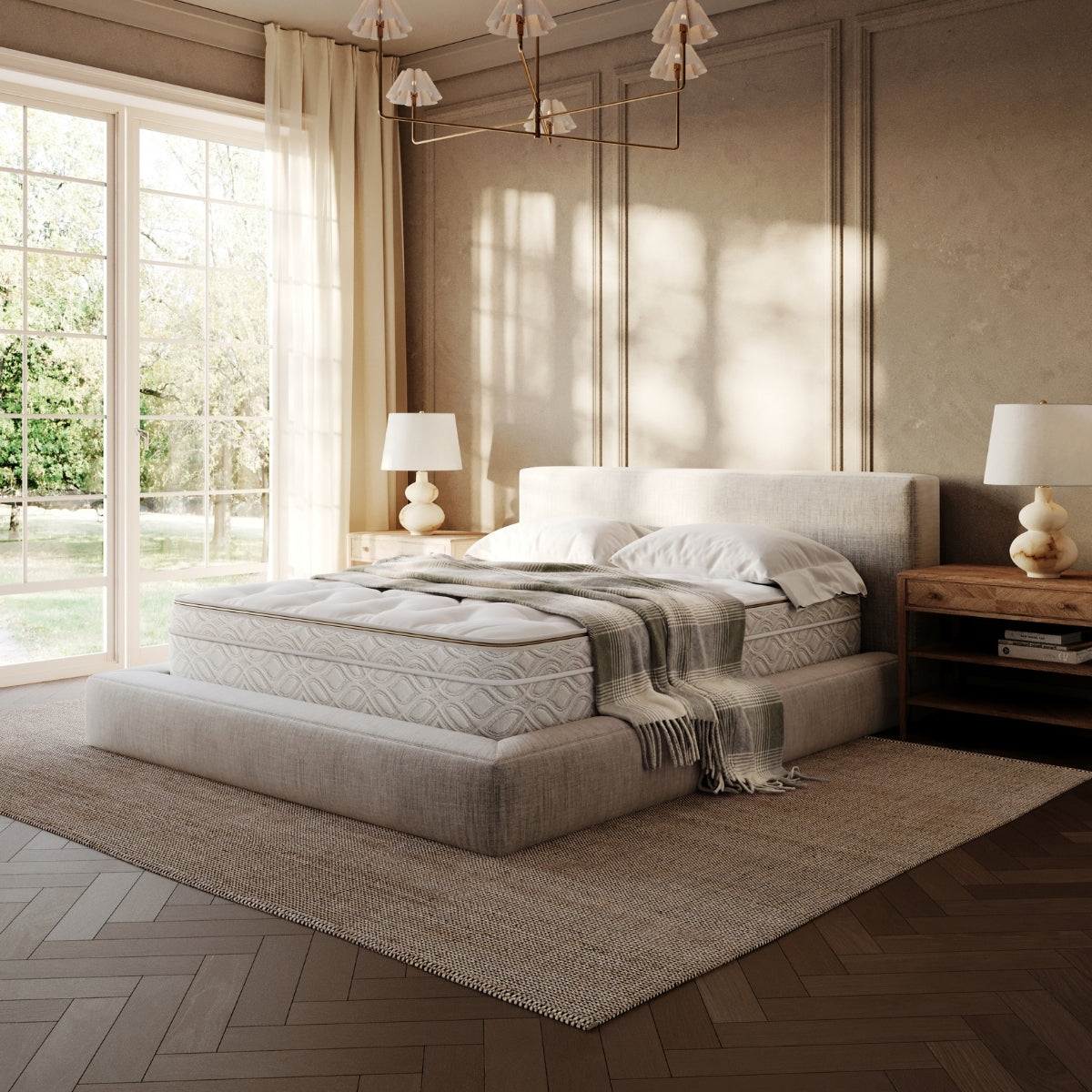
Sleeping alone removes that tradeoff. You can choose a mattress and sleep setup that fully supports your body, sleep position and comfort needs. Over time, this consistency can reduce aches, improve sleep efficiency and help you wake up feeling more rested.
4. Space to Move, Stretch and Fully Relax
Anyone who’s ever slept alone in a hotel bed knows the feeling: unrestricted movement, centered comfort and the freedom to sprawl. That space isn’t just a luxury – it can improve sleep quality.
Being able to change positions freely reduces pressure points and minimizes micro-awakenings caused by limited space. When your body isn’t subconsciously guarding territory, it relaxes more fully, making it easier to stay asleep.
5. A Sleep Schedule That Matches Your Natural Rhythm
Different chronotypes exist for a reason. Some people feel most alert at night; others are early sleepers and early risers. Sharing a bed can force misaligned schedules that disrupt circadian rhythms.

Sleeping alone allows you to follow your natural sleep-wake cycle without worrying about disturbing someone else or being disturbed yourself. Whether that means an early bedtime, a later wake-up or a consistent routine, autonomy supports better long-term sleep health.
The Rise of the “Sleep Divorce” (And Other FAQs About Sleeping Alone)
The term sleep divorce has gained traction in recent years, describing couples who choose to sleep separately to protect their sleep quality without impacting their relationship. Surveys show that a significant number of people in long-term relationships actually sleep better alone and prefer it. Prioritizing sleep isn’t selfish, but rather foundational to physical health, emotional regulation and overall well-being. That's not to say that a sleep divorce is for everyone – but if it sounds right for you and your relationship, know that there is no cause for shame or alarm.
Here are some more common questions and answers about sleeping alone.
Is Sleeping Alone Actually Better for Your Health?
Sleeping alone can improve sleep quality for many people by reducing noise, movement and temperature disruptions, and better sleep supports everything from mood and focus to immune function and metabolic health.
Does Sleeping Alone Mean You'll Feel Lonelier?
Not necessarily. For some people, sleeping alone actually reduces stress and improves emotional regulation because they’re better rested. Many couples maintain intimacy through shared bedtime routines, morning check-ins or intentional time together, without sharing a mattress all night.
Can Sleeping Alone Help With Insomnia or Light Sleep?
Yes. If your sleep is easily disrupted by movement, noise or differing schedules, sleeping alone can reduce nighttime awakenings and help stabilize your sleep cycle. Consistency and fewer interruptions make it easier for the brain to move through deeper sleep stages.
Final Thoughts on Sleeping Alone
Sleeping alone isn’t a sign that something is wrong. In many cases, it’s a practical, healthy choice that leads to better sleep and better days. So if you ever find yourself stressing about sleeping solo, consider this: you may be giving your body exactly what it needs to rest well. And that’s something worth loving.
Customizable Mattresses for Couples

classic
Available from extra-firm to plush.
3" organic latex, 8" encased coils
12" profile with one zippered compartment
Also available in latex-free and vegan
QUEEN

pillow top
Available from firm to ultra-plush.
6" organic latex, 8" encased coils
15" profile with two zippered compartments
Also available in latex-free
QUEEN

trilux
Available from extra-firm to plush.
9" organic latex, no coils
10" profile with one zippered compartment
QUEEN