Designing your baby’s nursery is one of the most exciting parts of preparing for their arrival. From choosing a color palette to selecting crib bedding, it’s one of your first chances to make them feel special in the space where they’ll spend much of their time.
But nursery décor isn’t just about aesthetics. Some of the most common design and layout choices can unintentionally interfere with Baby’s sleep quality. This is especially important to avoid during those early months when they’re still learning how to regulate their bodies and settle into a healthy sleep routine.
The good news is that you don’t have to sacrifice style to create a sleep-friendly nursery. With a few thoughtful adjustments, you can design a beautiful nursery that also supports your little one’s sleep needs.
Below, we’re highlighting the top nursery design mistakes to avoid, along with simple, practical fixes that help support safer, more restful sleep from day one.
1. Crib Bedding That Runs Too Warm
When you’re choosing nursery décor, it’s easy to gravitate toward plush textures, layered fabrics and cozy-looking bedding.

Unfortunately, those same choices can contribute to overheating – one of the most common (and often overlooked) sleep disruptors for babies.
How Overheating Affects Sleep
Babies can’t regulate body temperature as efficiently as adults. Their bodies can warm up quickly, especially in sleep environments that trap heat.
Heavy fabrics, synthetic materials like polyester and rayon and thick layers can hold warmth close to the body, leading to discomfort, restlessness and more frequent wakeups. Overheating can also interfere with Baby’s ability to settle back to sleep once they stir.
Easy Fixes
Creating a cooler, more breathable sleep setup doesn’t mean stripping the nursery of comfort. It just means choosing crib bedding more intentionally, for example:
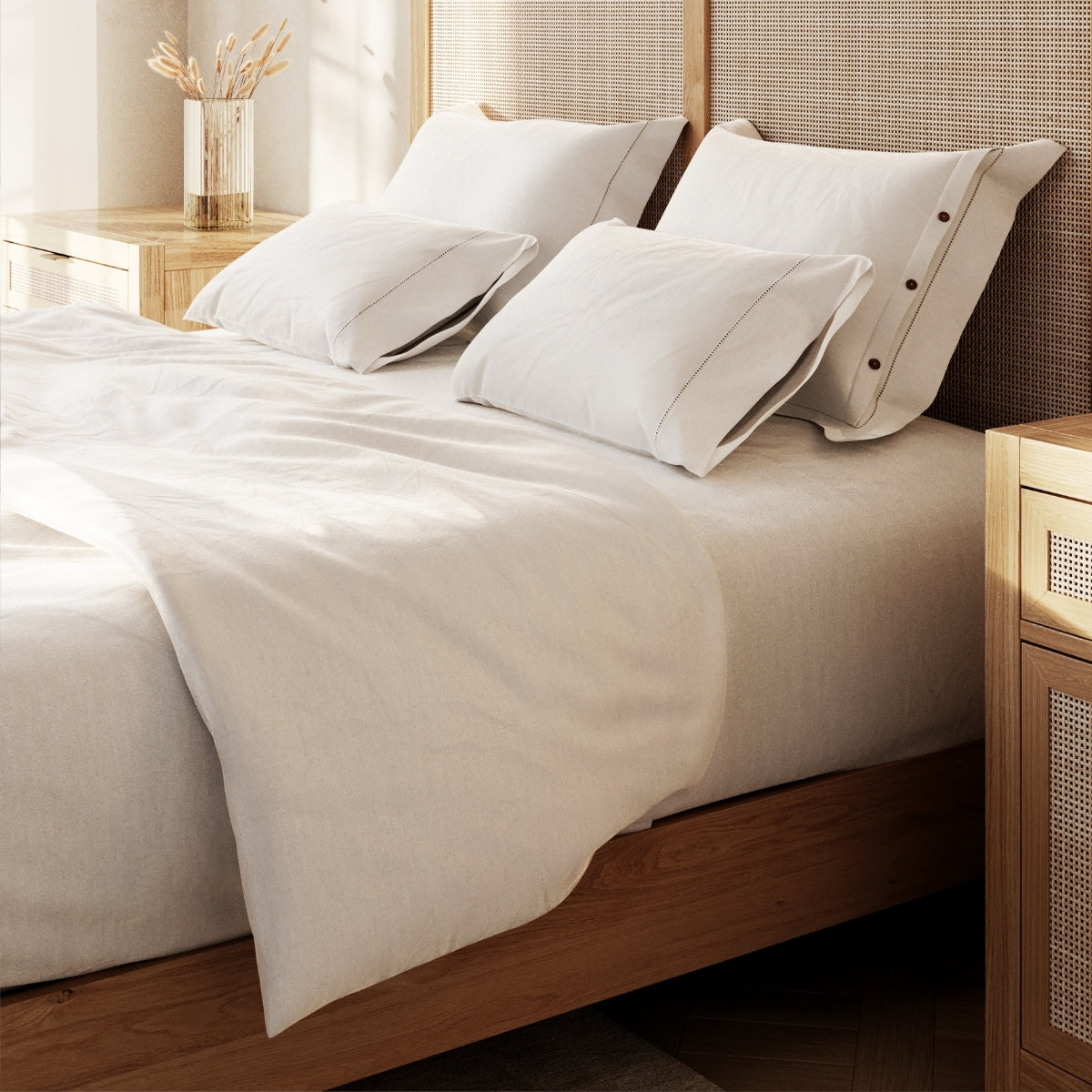
- Opt for naturally breathable fabrics, such as organic cotton sateen, percale or muslin.
- Skip quilts and blankets altogether – these are never safe in Baby’s sleep space! A fitted crib sheet is all you need.
- When you do need to add layers for warmth, use an organic cotton or linen sleep sack.
2. Too Much Light in the Nursery
Light plays a big role in infant sleep. While a bright, cheerful nursery looks welcoming during the day, even small amounts of light can become disruptive once it’s time for night-night.
How Light Affects Sleep
Babies rely on light and darkness to help regulate their developing circadian rhythms. When light leaks into the nursery during naptime or bedtime, it can make it harder for babies to fall asleep and stay asleep.
Streetlights, early sunrises, hallway light and glowing devices can all signal to Baby’s brain that it’s time to stay alert. Over time, this can lead to shorter naps, early morning wakeups and difficulty settling back down after nighttime stirring.
Easy Fixes
You don’t need a pitch-black room, but creating a consistently dim sleep environment can make a noticeable difference. Minimize light in the nursery by:
- Installing nursery blackout curtains or layered window treatments.
- Covering or dimming LED lights on monitors, humidifiers, sound machines or clocks.
- Using warm, low-intensity lighting during bedtime routines to help signal that sleep is coming.
3. Poor Airflow or an Overly Warm Room Layout
Nursery layout is driven by aesthetics, but there’s more to it than maximizing the space.

Where furniture is placed can influence airflow, temperature and overall sleep comfort more than you might expect.
How Room Layout Affects Sleep
Stagnant air can cause heat to build up, especially in smaller rooms or nurseries with heavy furniture and soft furnishings. Cribs placed too close to heat sources, blocked vents or direct sunlight can create warm pockets that make sleep uncomfortable.
Babies are especially sensitive to these conditions. When a room feels stuffy or overly warm, it can lead to restlessness and more frequent wakeups throughout the night.
Easy Fixes
Small layout adjustments can help keep air circulating more evenly and support a cooler sleep environment. Simple airflow basics include:
- Avoid placing the crib directly next to radiators, baseboard heaters or sunny windows.
- Make sure vents are not blocked by furniture, curtains or rugs.
- Use a gentle fan to keep air moving, as long as it’s not blowing directly on Baby.
4. Too Much Fluffy Nursery Décor
Soft textures and cozy accents are often (understandably!) a big part of nursery décor. But when too many plush items end up close to the crib, they can affect both sleep quality and safety.
How Excess Décor Affects Sleep
Overly plush nursery décor tends to collect dust and allergens, which can irritate sensitive airways and disrupt sleep. Items like stuffed animals, throw pillows and extra blankets near the crib can also be visually stimulating, making it harder for babies to wind down.
Most importantly, loose items in or around the crib are not safe for sleep – ever – as they can pose suffocation risks.
Easy Fixes
A simple sleep space is a better sleep space. No matter how cute they are, decorations shouldn’t come at the expense of Baby’s safety or sleep. Always remember:
- Keep the crib area clear of soft toys, pillows and decorative blankets.
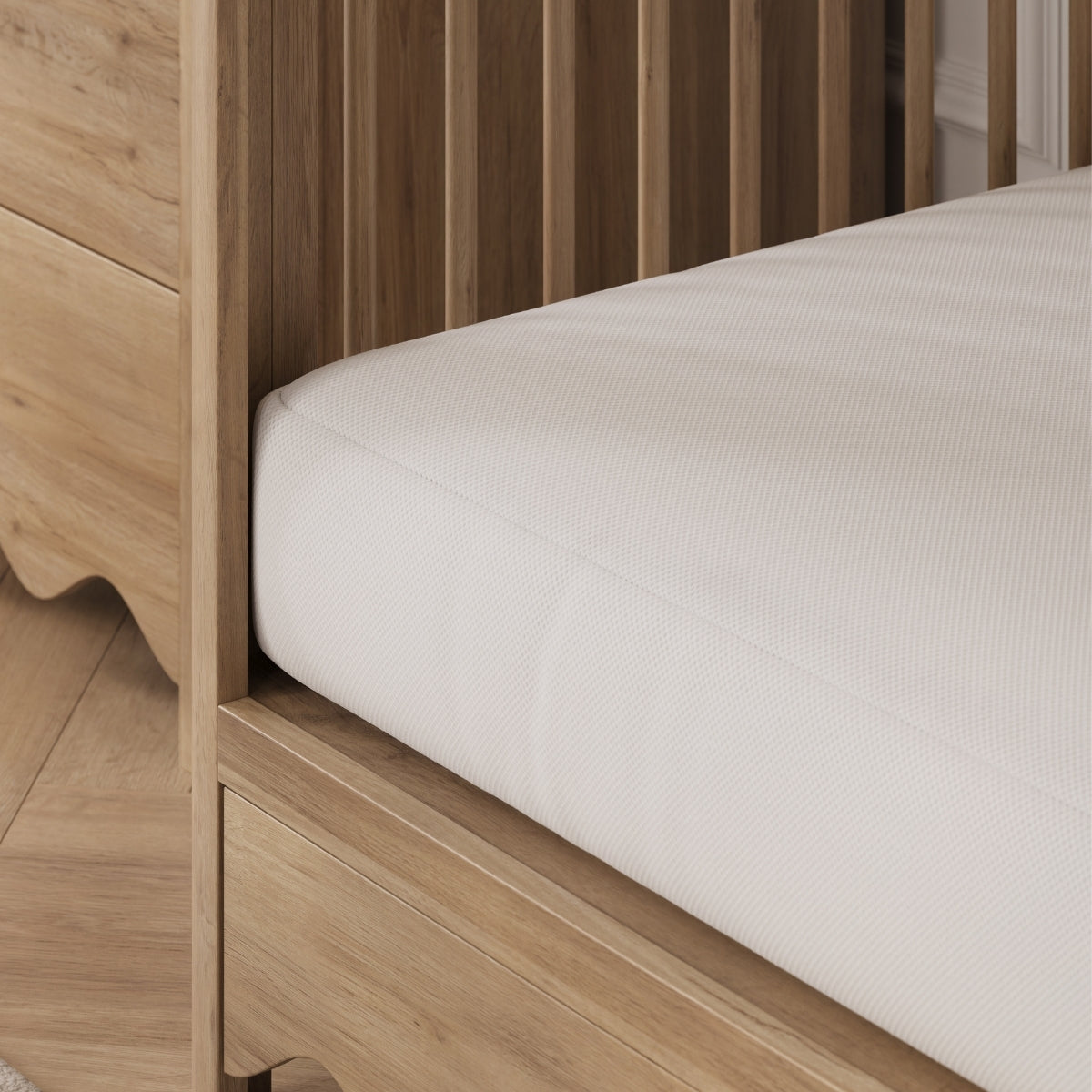
- Aim for a clean, uncluttered crib with only a fitted sheet and mattress.
- Store plush toys on shelves or in bins away from the sleep zone.
You can still enjoy soft textures elsewhere in the nursery. Stuffed animals and plush sensory toys can be excellent for Baby in terms of entertainment and brain development – they just don’t belong in the bed!
5. Overlooking Everyday Noise Sources
Don’t worry, a completely silent nursery isn’t the goal. In fact, exposure to normal household sounds can help babies become more adaptable sleepers over time.

That said, certain types of noise can be more disruptive than others.
How Noise Affects Sleep
Babies can usually sleep through steady background noise, but abrupt or irregular sounds are more likely to interrupt sleep during lighter stages. Things like HVAC systems cycling on and off, doors clicking shut, pets moving through the house or intermittent street noise can cause brief startle responses.
Rooms with lots of hard surfaces can also amplify sound, making everyday noises feel sharper or louder than intended.
Easy Fixes
The goal is not silence, but consistency. A more even sound environment can help mask sudden noises while still allowing Baby to get used to normal household activity. You may want to consider:
- Trying white noise to create a steady, soothing background sound.
- Adding soft décor elements like rugs or curtains to help absorb excess noise.
- Using door bumpers or easy-close latches to reduce abrupt sounds if you need to come in and out of the room.
Designing a Nursery That Works With Baby’s Sleep
You don’t have to choose between function and style when thinking through nursery design ideas. Pinterest-worthy spaces can still work beautifully for real life when they’re designed with Baby’s comfort in mind. (And if the room feels a little more practical than polished some days, you’re probably doing it right!)
At its best, a sleep-friendly nursery simply removes obstacles to rest. A space that stays cool, gently dim, uncluttered and thoughtfully arranged gives Baby fewer reasons to wake and more support to settle back down.
The best part? These are not all-or-nothing changes. With a little intention, your nursery can look great, feel calm and quietly do the most important work of all: helping Baby sleep.