



When winter arrives, dropping temperatures and dry indoor air become part of daily life. While colder months often come with cozy comforts — extra blankets, warmer pajamas, longer nights — the lack of moisture in the air can quietly undermine both your sleep quality and overall wellness.
Winter air holds significantly less humidity than warmer seasons, and once indoor heating systems turn on, moisture levels can fall even further. This combination creates an especially dry sleep environment, which can affect everything from your breathing to your skin and, ultimately, how well you rest at night. Here's why.
Winter Sleep & Moisture: Quick Facts
- Why winter air feels dry: Cold air holds less moisture, and indoor heating can make dryness worse.
- Why moisture matters: Healthy humidity helps support your skin, eyes, nose, throat, and nighttime comfort.
- How dry air affects sleep: Low humidity may contribute to congestion, throat irritation, dry skin, and restless nights.
- Benefits of sleeping with a humidifier: A humidifier can add moisture back into the air and help ease winter dryness.
- What else helps: Keep your bedroom cool, stay hydrated, and choose breathable bedding materials.
Note: This blog may contain links to Naturepedic products and promotional content where relevant to the topic discussed.
How Dry Winter Air Can Impact Your Health
Low humidity does more than make the air feel uncomfortable. Dry indoor air has been linked to:
- Irritation of the respiratory system
- Congestion
- Dry skin
- Increased susceptibility to seasonal illness
And more. Health experts note that winter illness tends to spread more easily for two main reasons. First, people spend more time indoors in enclosed spaces, and lower humidity allows some airborne viruses to remain active in the air for longer periods of time. In a dry environment, your body’s natural defenses may not function as effectively as they should.
Moreover, the human body is made up of roughly 50 to 70 percent water, and it depends on moisture to maintain healthy systems. When the air around you lacks humidity, your body can lose moisture more quickly, especially while you sleep.
The Role of Moisture in Your Body’s Natural Defenses
One of the first places dry air makes itself known is in your nose and throat.

Your nasal passages are lined with mucous membranes that rely on adequate moisture to work properly. These membranes act as a filtration system, helping trap dust, allergens, and other airborne particles before they enter the body. When humidity is too low, these membranes can dry out and become less effective. This can lead to irritation, sore throats, and a higher vulnerability to respiratory discomfort during the winter months.
Dry air can also affect your skin and eyes, which depend on moisture to maintain their protective barriers. When skin becomes excessively dry or cracked, it may be less effective at keeping irritants out — another reason winter wellness often starts with your environment.
Can Dry Air Make It Harder to Sleep?
Sleep is a time when the body restores itself, but dry winter air can interfere with that process. Like we said, humidity in the bedroom can contribute to nasal dryness, throat irritation and nighttime discomfort — all conditions with the potential to disrupt restful sleep.
Your body already naturally loses moisture while you sleep through breathing and perspiration, which is why many people wake up feeling thirsty. In a dry environment, that moisture loss can be more pronounced, potentially leading to dehydration, seasonal fatigue and less restorative rest. And because quality sleep plays a vital role in immune function and overall health, even small disruptions caused by dry air can have an outsized effect on how you feel during the day.
How to Add Moisture Back Into Your Sleep Environment
Thankfully, creating a more comfortable, balanced sleep environment during winter doesn’t require drastic changes.

Try these few thoughtful adjustments that can help restore moisture, and support better sleep.
Adjust Your Bedroom Temperature
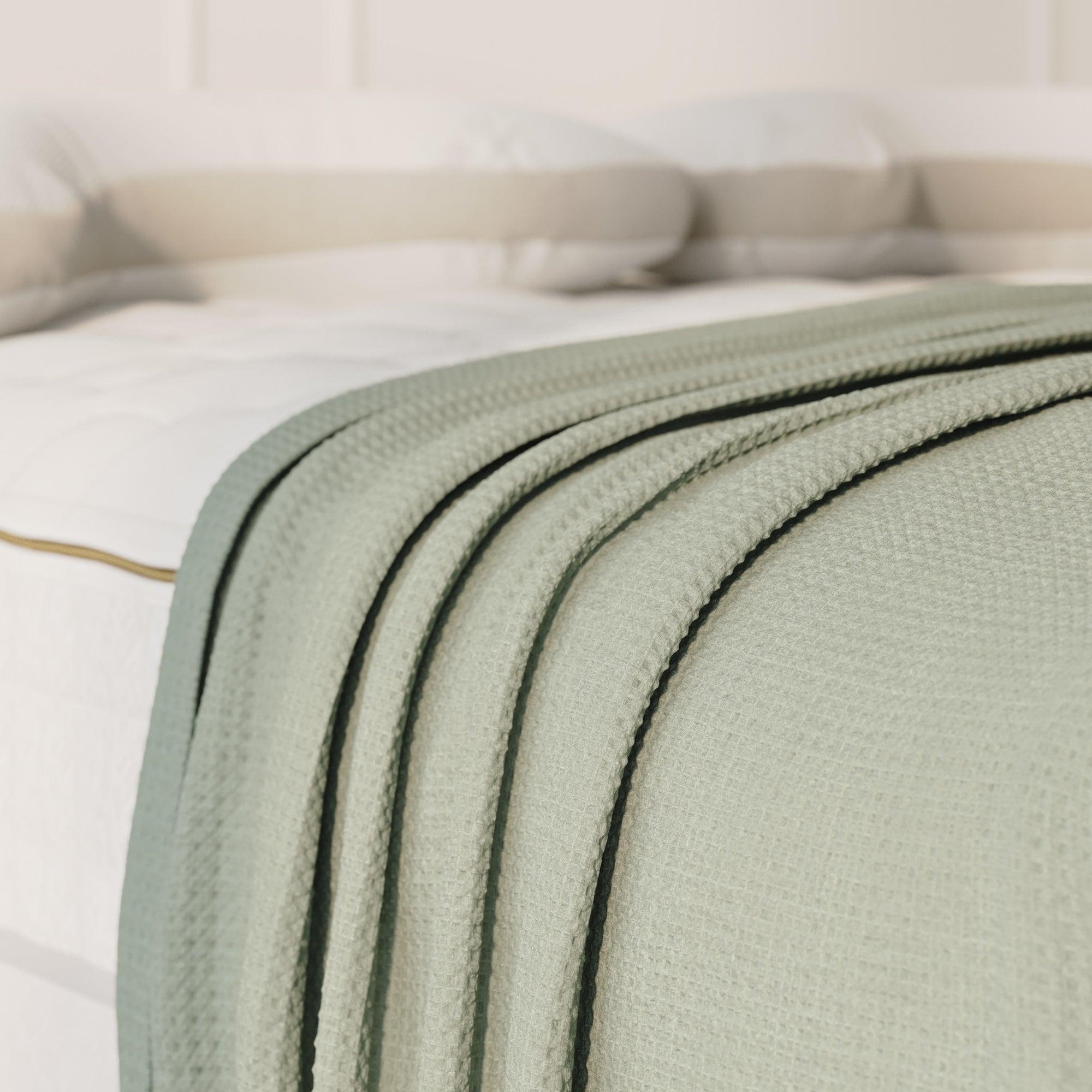
While it’s tempting to turn up the heat on cold nights, higher indoor temperatures often make dry air worse. A cooler bedroom not only helps preserve humidity but also supports better sleep overall. Sleep experts generally recommend a bedroom temperature between 60 and 67 degrees for optimal rest, paired with warm, breathable bedding materials.
Stay Hydrated Throughout the Day
Proper hydration helps your body cope with moisture loss caused by dry air. Drinking enough water during the day supports healthy skin, respiratory function, and overall comfort — especially during winter months when dehydration can sneak up more easily.
Use a Humidifier Thoughtfully
A humidifier is one of the most direct ways to increase moisture in your bedroom. By adding water vapor back into the air, it can help ease dryness and improve nighttime comfort. Even small increases in humidity can make a noticeable difference over the course of the winter.
Creating a Healthier Winter Sleep Space
Moisture plays a quiet but important role in how your body feels and functions during winter, especially when it comes to sleep. By paying attention to humidity levels and making small adjustments to your environment, you can support better rest and greater overall comfort throughout the colder months.
Your bedroom should be a place that helps your body recover, reset, and rest deeply, no matter the season. In winter, that starts with keeping moisture in mind.
Have feedback on our story? Contact us to let us know what you think or visit our about us page to learn more!