Your nursery is your baby’s first home. Which, by extension, makes your baby’s crib their first home – it’s where they’ll spend most of their day, after all. (Seriously, newborns can sleep for up to 16 hours per day!) There are three main parts of your baby’s crib: the furniture itself, the crib mattress and, our topic of discussion in today’s blog, crib sheets!
It's tempting to choose crib sheets based on aesthetics and cute designs. Who doesn’t love jungle animals or a sweet moons and stars theme? But, because our little ones spend so much time in their cribs, it’s actually more important to consider health and safety when shopping for crib sheets. Here, we'll dive into the basic of crib sheet shopping so that you can give Baby a safe and healthy place to rest. We’ll also give you some tips on caring for your crib sheets after you purchase them to keep them soft and hygienic for your little one.
Crib Safety: The Basics
To find the safest crib sheets, you first need to be familiar with basic crib safety.

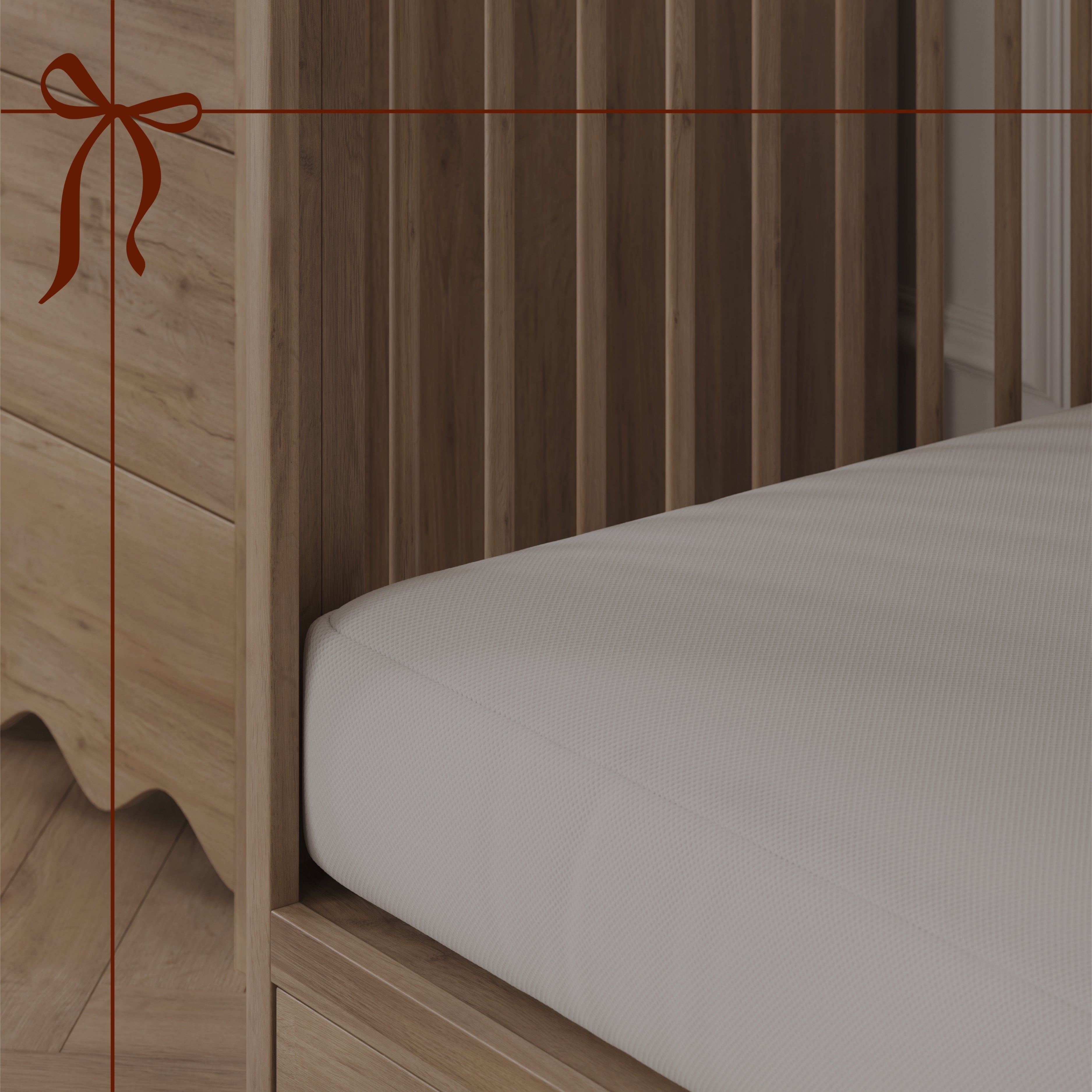
The safest sleeping environment for a baby is a snug, fitted crib sheet on a firm, certified organic crib mattress, and nothing else. This means no crib bumpers, and don’t place any of the following in the crib:
- Comforters
- Quilts
- Blankets
- Pillows
- Sleep positioners
- Stuffed animals
- Anything else!
The only items that belong in your baby’s crib are the mattress, a waterproof baby mattress protector or breathable cover and a snug fitted crib sheet. Anything else poses a major safety hazard. We know it can be hard to resist cutesy stuffed animals or blankies, but when the risks include entrapment, strangulation or suffocation, it just isn’t worth it.
Best Crib Sheet Materials
The key to crib sheet safety specifically is rooted in materials. When it comes to the best crib sheet material, there’s really only one way to go: organic cotton.

When considering organic versus conventional cotton, organic cotton is a safer choice for babies for many reasons, the main one being that it isn’t treated with harsh chemicals and detergents. This makes it gentler on your baby’s soft, sensitive skin. It also helps you to avoid exposing them to toxins during an important developmental period.
Not to mention that you get more bang for your buck when you choose organic. Organic cotton bedding is usually stronger and stands up to wear and tear better than conventional bedding because chemical processing weakens cotton fibers. And, if you’re eco-minded like us, you’ll be happy to know that organic cotton uses less water and is grown without harmful pesticides, which is better for the planet and soil.
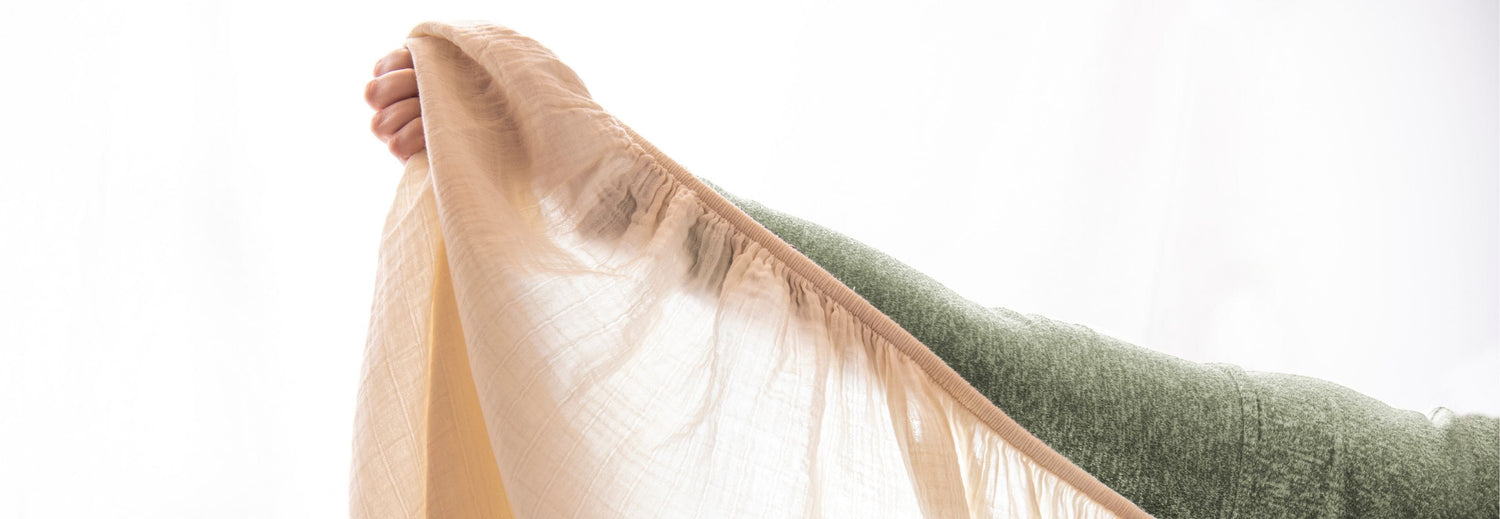
The way cotton is woven also plays a role in how crib sheets feel and perform. Two of the most popular weaves for baby bedding are muslin and sateen – and both offer real benefits. Muslin sheets are made with a lightweight, open weave that allows more air to circulate, making it especially breathable and well-suited for warmer rooms or babies who tend to sleep hot. Sateen sheets, on the other hand, use a tighter weave that creates a smoother, silkier surface. It feels noticeably softer against the skin while still offering durability for frequent washing. Choosing between the two often comes down to whether you prioritize airy breathability or a more buttery-soft feel. Either way, both are excellent options when made from certified organic cotton.
Are There Any Baby Crib Sheet Materials to Avoid?
In general, it's best to avoid crib sheets made from petroleum-based materials. These can include questionable chemicals and won’t be as naturally breathable as organic cotton. This includes sheets made from:
- Polyester
- Nylon
- Microfiber
Be wary of, too, of terms that sound convenient – eg. “wrinkle free,” “stain resistant,” “shrink resistant” – but can indicate chemical treatments.
In general, flannel crib sheets can be a good option, but only to keep your baby warm in the colder winter months. In warm weather, they may overheat with flannel sheets. Plus, you’ll want to make sure the flannel is organic cotton and does not contain synthetic fibers (which may have toxic chemicals) or wool (which your baby may be allergic to).
Crib Sheet Care Tips
Here are some crib sheet care tips that will keep your sheets clean, safe and healthy for Baby for many nights to come.

Washing
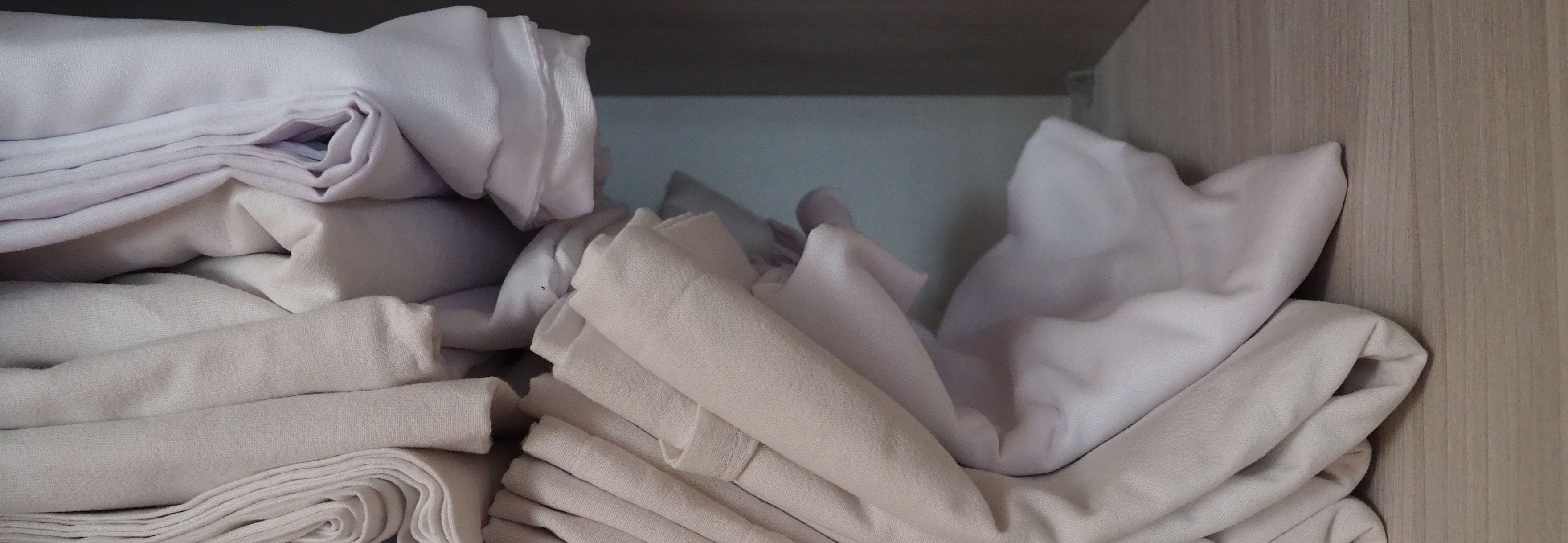
Spoiler alert: you’re probably not washing your crib sheets enough. We recommend washing them 1-2 times per week to keep them hygienic for your little one. Dirty sheets can harbor mold and bacteria that you don’t want your little one breathing in.
And it goes without saying that you should wash your sheets immediately when blowouts or other accidents happen. (It’s a good idea to keep some extra sheets on hand for middle-of-the-night accidents!)
Drying
Most sheets (including ours!) are machine washable and dryable. However, the best crib sheet care method is actually line-drying your sheets! It’s the best way to prolong your sheets’ lifespan, with an added bonus of conserving energy and being more eco-friendly.
Of course, line drying isn’t possible for everyone and isn’t always a convenient option for busy parents. Never fear, tumble dry low will work just fine for most sheets too – just check the care instructions beforehand.
Planet-Friendly Cleaning Products
This one’s kind of a no brainer. Buying organic crib sheets and then washing them with harsh chemicals just doesn’t add up. It is best to use non-toxic laundry detergent when washing your organic crib sheets, and there are some good options on the market.
If you’re into DIY projects, research natural cleaning solutions. Many products we have in our homes already, like baking soda, vinegar and essential oils can work wonders. Make sure to use reusable containers instead of single-use plastics to store any home-solutions you create.
What Touches Their Skin Matters
Choosing the right crib sheets and caring for them properly goes beyond comfort. From selecting snug-fitting, organic materials that are gentle on sensitive skin to following simple wash and care routines, thoughtful choices help protect your little one every night. By prioritizing safety, quality and easy maintenance, you’re setting the foundation for peaceful sleep and giving yourself a little more serenity too.