

When you start mattress shopping, it doesn’t take long to notice a pattern: organic mattresses almost always cost more. It’s a common point of hesitation and an understandable one. So what makes them different? And more importantly, are organic mattresses worth the investment? Let’s break it down with clear, simple answers so you can make the best choice for your sleep and your home.
What Makes an Organic Mattress “Organic”?
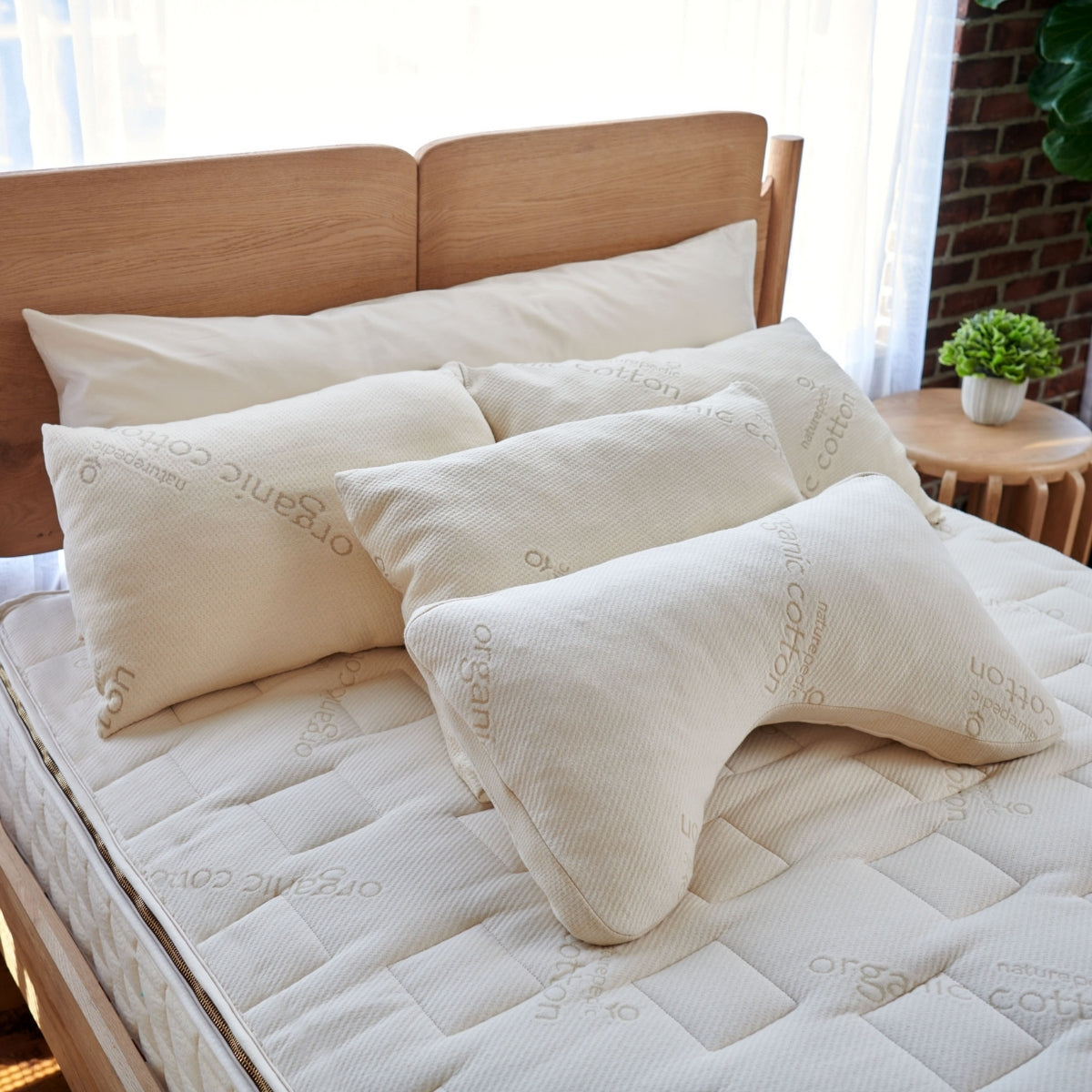
Before looking at price, it helps to understand what “organic” actually means in the mattress world, because it’s not just a buzzword. To be considered organic, a mattress has to use materials that come from nature and meet strict standards for growing, processing and manufacturing. This often includes certified organic cotton, organic wool and organic latex, all of which can be verified by respected organizations like GOTS (Global Organic Textile Standard) and GOLS (Global Organic Latex Standard).
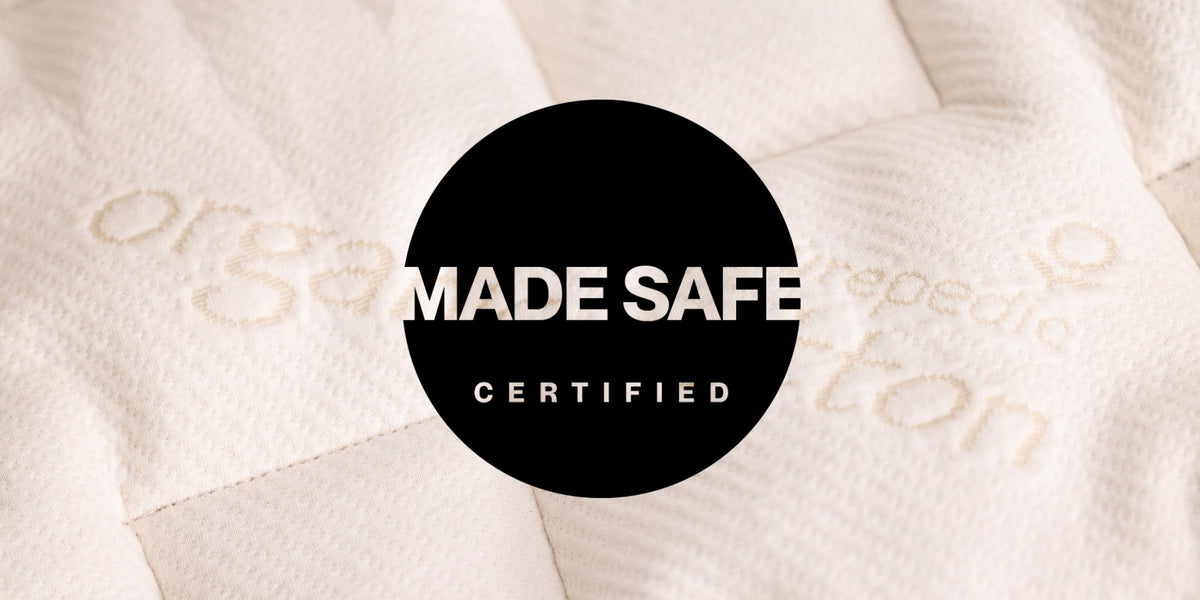
Many organic mattresses also carry optional certifications like GREENGUARD Gold, EWG Verified® and MADE SAFE®, which confirm low chemical emissions and prohibit ingredients deemed to be harmful altogether. In other words, truly “organic” mattresses adhere to a rigorous, fully audited system that traces materials from Mother Nature all the way to your bedroom.
Why Are Organic Mattresses More Expensive?
Let’s look at the biggest factors that affect the price of organic mattresses.

1. Organic Materials Are More Expensive
Organic farming stays away from synthetic pesticides, fertilizers and genetically modified seeds. That means that it requires more labor and more careful land management, and it also tends to produce lower yields. All of this makes organic cotton, wool and latex more expensive to produce than their conventional counterparts.
2. Certifications Add to the Cost
Maintaining certifications like GOTS or GOLS means regular farm and factory inspections, independent audits and strict documentation. Safety certifications such as GREENGUARD Gold and MADE SAFE require extensive third-party testing and ongoing compliance. These layers of verification are ways to protect consumers, but they do unfortunately increase the cost of manufacturing as well.
3. Mattresses That Avoid Harmful Chemicals Require More Complex Designs
Sometimes, simplifying your ingredients list requires complicating your recipe. The same goes for making mattresses. Most mattresses rely on polyurethane foam, chemical flame retardants and glues because they’re cheap and easy to work with. Organic mattresses avoid those by design, which means manufacturers must engineer safer, more thoughtful alternatives, such as organic latex, PLA comfort layers or natural fire barriers. These processes take more time, labor and expertise.
4. Responsible Manufacturing Costs More
Many organic mattresses are made domestically and rely on transparent, ethically sourced supply chains. These standards cost more than mass-produced foam mattresses assembled overseas.
What Features Justify the Cost of Premium Organic Mattresses?
Premium organic mattresses aren’t made from natural materials arbitrarily. These materials are chose because they elevate comfort, longevity and overall sleep quality.

Here are a few of the benefits of organic materials that go beyond basic construction and help explain the higher price point in a meaningful way.
Natural Temperature Regulation and Breathability
Certain organic materials, specifically cotton and wool, help to regulate heat and manage moisture while you sleep due to properties like natural breathability and moisture-wicking. These materials stay comfortable across seasons without relying on cooling foams or similar chemical additives. (And in general, they sleep much cooler than heat-trapping memory foam or sweaty polyester.)
High-Quality Support Systems
Because they have to skip common materials like memory foam, organic mattresses often use advanced coil systems with superior ergonomics, reinforced edges and limited motion-transfer – a great benefit if you sleep with a restless partner. These components help to maintain proper support, resist sagging and extend the life of your mattress.
Durable, Long-Lasting Materials
Organic latex and high-quality natural fibers are naturally resilient. They maintain their structure and comfort far longer than many synthetic foams, which means the mattress performs well for years and often well beyond conventional alternatives. Look for options with long warranties (like Naturepedic's 25-year warranty!) when shopping – they ensure that instead of looking for signs that it's time to replace your mattress, you can sleep with peace of mind.
Thoughtful, Replaceable or Modular Construction
Some premium organic designs allow you to update or replace internal layers over time. This extends the mattress’s lifespan, reduces waste and lets you adjust comfort as your needs change, a level of flexibility that cheaper mattresses don't offer.
VERDICT: Are Organic Mattresses Worth the Price?
So, are organic mattresses worth it compared to conventional alternatives? For many people, the answer is yes – ask yourself the below questions to see for yourself.
✔ Are you looking for a healthier sleep environment? With fewer chemicals, lower emissions and natural materials throughout, organic mattresses offer a cleaner foundation for your sleep.
✔ Is longevity a top priority for you when mattress shopping? Organic latex is known for its resilience. It bounces back, resists sagging and performs consistently for years – much longer than conventional foams.
✔ Do you want to ensure that long-term value offsets initial cost? When you consider lifespan, performance and how many hours you spend on your mattress each night, the cost per use can be significantly lower than you’d expect.
✔ Does sustainability matter to you? If minimizing environmental impact is important, organic materials offer benefits that synthetic foam-based mattresses simply can’t match.
How Do You Choose an Organic Mattress for Your Budget?
If you’re exploring organic options:
- Think about which certifications matter most to you.
- Decide whether you want natural latex, coils or a hybrid design.
- Consider if modular or upgradable design might offer even more value.
- Look for mattresses with trial periods and strong warranties.
Most importantly, consider the long-term value – not just the price tag.

Organic mattresses cost more because they’re made differently. They use cleaner materials. They follow higher standards. Most notably, they rely on more thoughtful engineering and responsible manufacturing. For many sleepers, the result is a mattress that feels better and lasts longer – so if comfort, longevity and a healthier home environment matter to you, an organic mattress may be well worth the investment.