




Everywhere you turn, it feels like there’s a new label to decode: organic, non-GMO, certified, verified – what does it all really mean? For years, GMOs (genetically modified organisms) have been at the center of heated debates about food, farming and even fabrics. But here’s the twist: GMOs aren’t just about what’s on your plate anymore. From personal care products to textiles to the mattresses you sleep on, these lab-altered crops reach far beyond the grocery aisle.
As the science evolves, so does the conversation. While many experts consider most approved GMOs safe to eat, concerns remain around long-term health impacts, pesticide use and environmental effects. At Naturepedic, we believe in transparency and taking a precaution-first approach when it comes to the materials that your family lives and sleeps with.
In this guide, we’ll break down what GMOs are, what today’s research actually says and why we choose certified organic materials instead, so you can make informed choices that align with your health, your values and the planet’s well-being.
What Are GMOs?
GMOs, or genetically modified organisms, are living things (usually plants or crops) whose DNA has been altered in a lab to express specific traits. Scientists identify a gene responsible for a desired characteristic, copy it and insert it into the organism’s genetic code. The result? Crops that can resist pests, tolerate droughts, withstand herbicides or stay fresher longer.
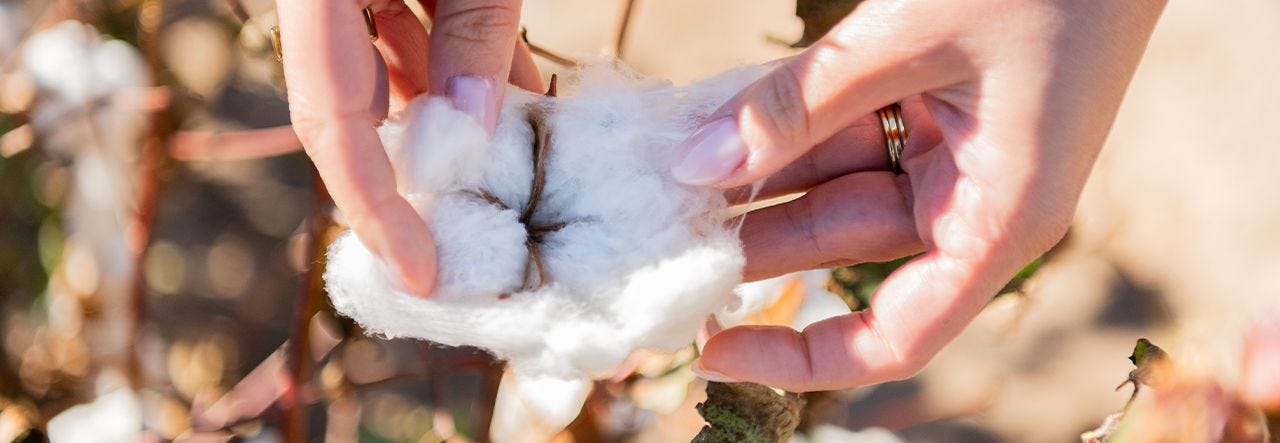
In the U.S., some of the most common GMO crops include corn, soybeans, canola, potatoes, sugar beets, papayas and, pertinent for us, cotton.

These aren’t just used directly as food. They also show up in processed ingredients like high-fructose corn syrup, aspartame, citric acid and maltodextrins.
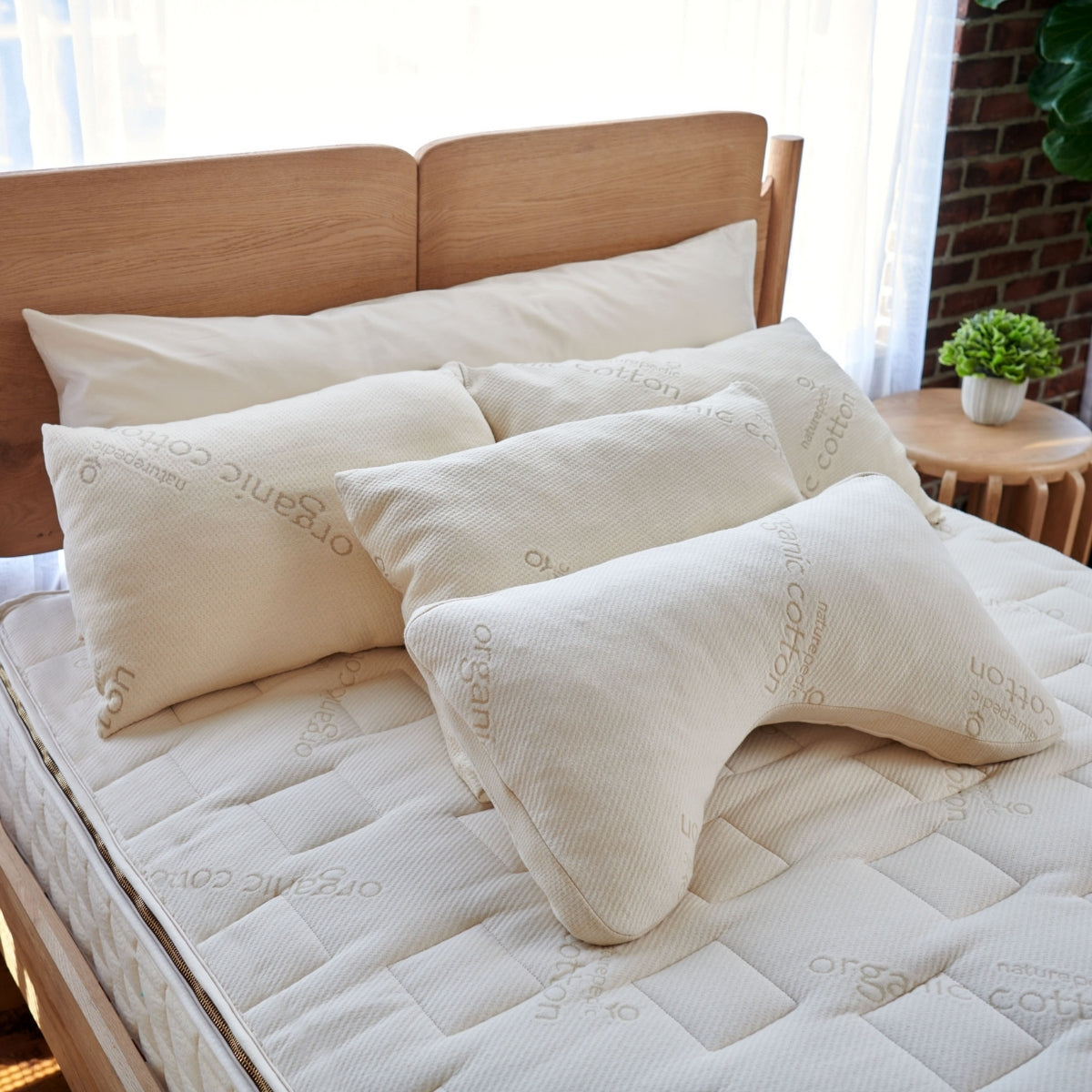
While GMOs were first developed for food, they’re now found in surprising places you might not expect, from personal care products and medications to fabrics and textiles. Like we said above, even the cotton used in clothing and bedding can come from genetically modified crops, which is why we at Naturepedic insist on using GOTS-certified organic cotton across our mattresses and bedding.
The technology behind GMOs is a major scientific achievement, but it has also sparked ongoing debate over long-term safety, environmental impact and consumer transparency. That’s where the conversation gets complex and where the next section dives deeper into what today’s research actually says.
The Science: What Experts Agree On and Where Questions Remain
For decades, scientists have studied genetically modified crops to understand their impact on human health and the environment. Here’s where most major scientific bodies stand today:
The U.S. National Academies of Sciences, Engineering and Medicine, the World Health Organization (WHO) and the Food and Agriculture Organization (FAO) agree that currently approved GMO foods are generally considered as safe to eat as their non-GMO counterparts. Numerous studies have found no evidence linking approved GMOs directly to increased health risks for the general population.
However, the conversation doesn’t end there. While research supports that the technology itself isn’t inherently unsafe, experts continue to study:
- Long-term health impacts: Research is still limited on cumulative exposure over decades.
- Pesticide use: Many GMOs are engineered to tolerate herbicides like glyphosate, raising concerns about indirect health effects from chemical residues.
- Environmental disruption: Widespread GMO farming can influence biodiversity and soil health, issues that scientists continue to track closely.
There’s also a gap between scientific consensus and public opinion. Surveys show that while most scientists believe GMO foods are safe, a significant percentage of consumers remain skeptical, preferring to avoid them when possible. For families who want greater transparency and stricter safeguards, certified organic products remain the clearest way to reduce GMO exposure.
Glyphosate: The Herbicide at the Center of the GMO Debate
When people talk about GMOs, glyphosate almost always comes up. Glyphosate is the primary ingredient in Roundup, one of the world’s most widely used herbicides, and it’s closely tied to genetically modified farming.

Global agencies disagree on its safety:
- The WHO’s International Agency for Research on Cancer labels glyphosate “probably carcinogenic.”
- The EPA and European regulators say it’s unlikely to pose a cancer risk when used as directed.
Despite these assurances, studies show widespread exposure. A 2022 CDC report found glyphosate in over 80% of U.S. urine samples, and a 2024 investigation detected high levels in some menstrual products, prompting renewed calls for stricter oversight. Because glyphosate use is tightly linked to GMO farming, choosing certified organic products can help reduce potential exposure to this controversial chemical.
How GMO Farming Impacts the Planet
Beyond personal health, GMO farming raises environmental challenges tied to heavy pesticide and herbicide use:
- Soil health: Continuous GMO monocropping can deplete nutrients and reduce soil biodiversity.
- Biodiversity loss: Widespread herbicide use affects ecosystems, from pollinators to surrounding wildlife.
- Superweeds and super pests: Over time, certain weeds and insects evolve resistance, leading to even more chemical applications.
- Water contamination: Glyphosate and other farm chemicals often run off into rivers and groundwater, impacting aquatic life and drinking supplies.
These ripple effects underscore why many consumers and brands (including Naturepedic) choose certified organic materials that support healthier soils, safer farming practices and stronger ecosystems.
How to Choose Organic Over GMOs
While many experts consider approved GMOs safe, there’s still uncertainty about long-term health and environmental impacts, especially when paired with heavy pesticide use. At Naturepedic, we take a precaution-first approach: if safety isn’t clear, we choose a better alternative, because there are alternatives. Hear what Jeremy Brown, Texas Organic Cotton Marketing Cooperative Board President and one of our U.S. organic cotton farmers, has to say about it.
Avoiding GMOs doesn’t have to be complicated for consumers, either. Clear certifications like these make it easier to shop confidently:
- USDA Organic: Ensures agricultural products grown in the U.S. are made without GMOs, synthetic pesticides or herbicides.
- GOTS (Global Organic Textile Standard): Guarantees finished products are organic and non-GMO.
- Non-GMO Project Verified: While this certification doesn't cover mattresses or bedding, it's a great resource for eliminating GMOs from your food and personal products.
At Naturepedic, we combine certifications with rigorous material sourcing to deliver organic sleep products you can trust. From the cotton in your sheets to the waterproofing in your baby’s mattress, every material is carefully chosen and independently verified for purity and safety. And when you certified organic products made without GMOs, you join us in creating a cleaner, healthier world, starting with the place you rest your head