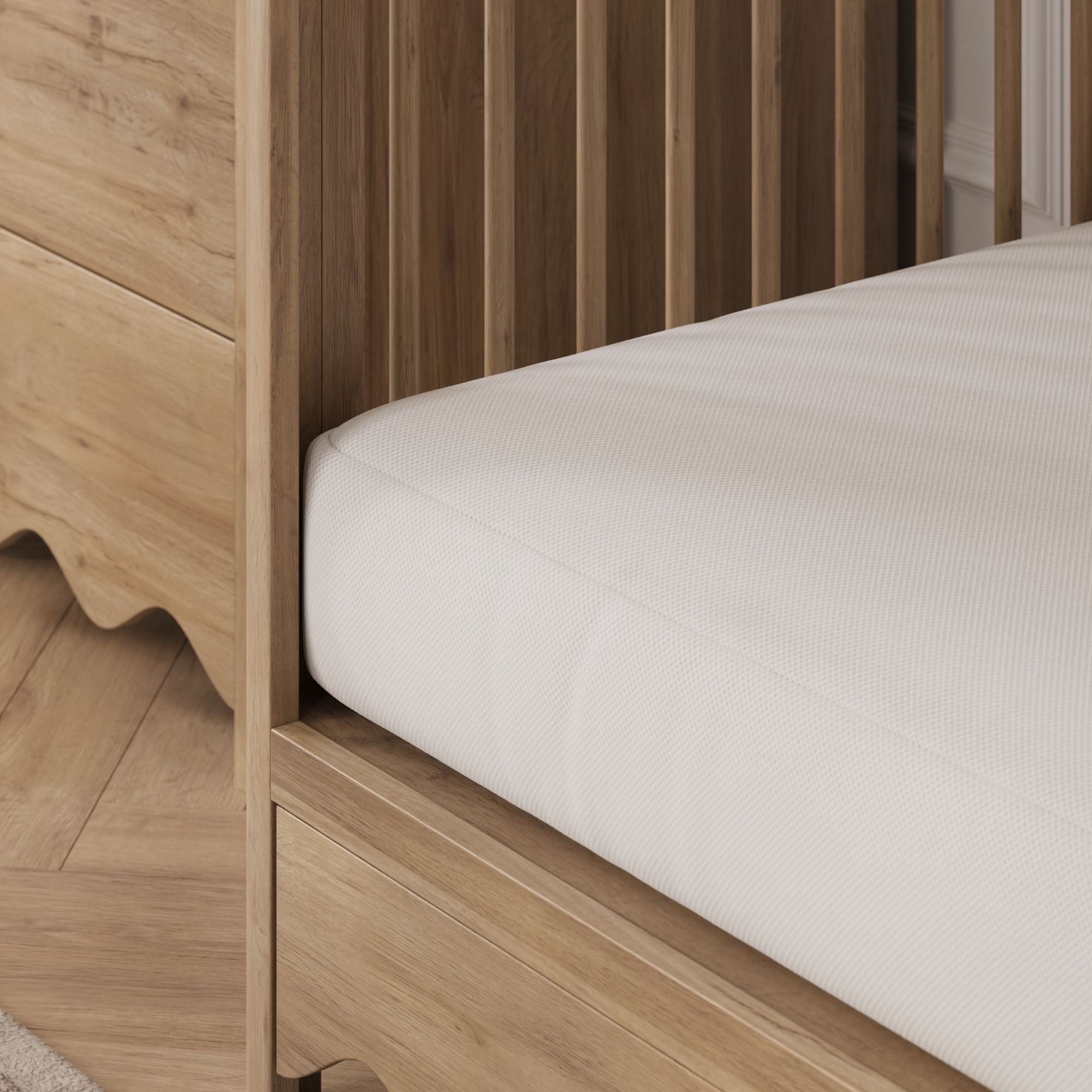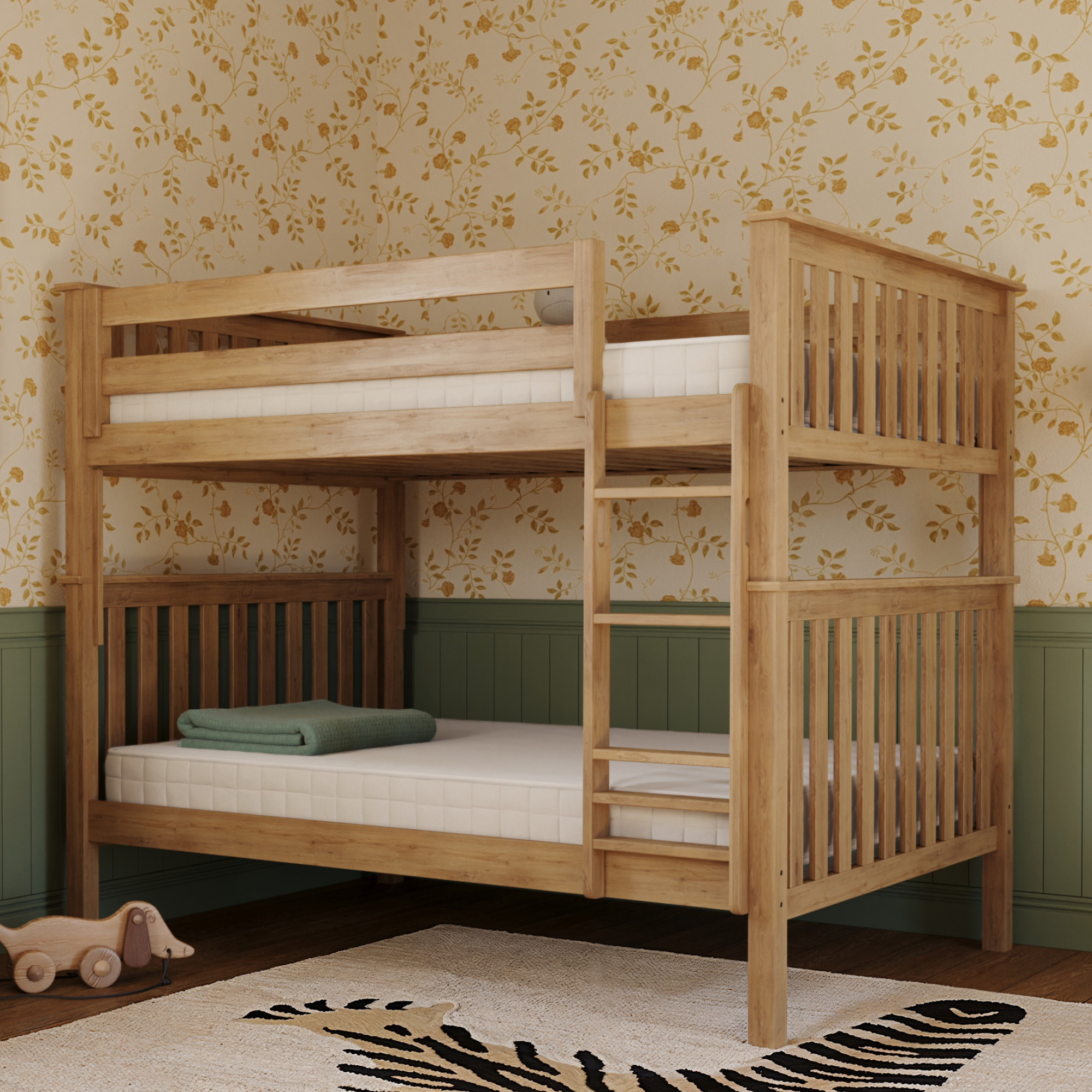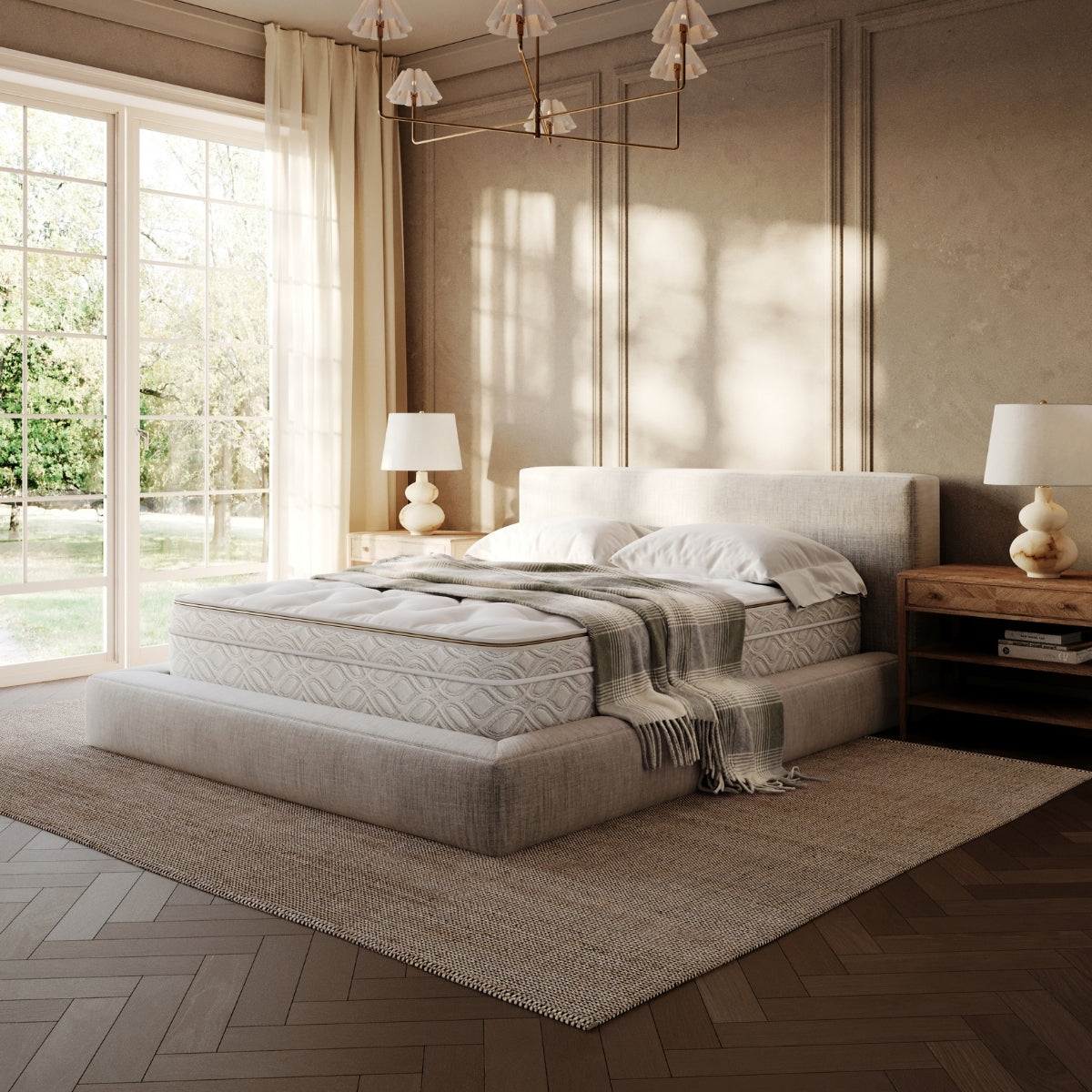
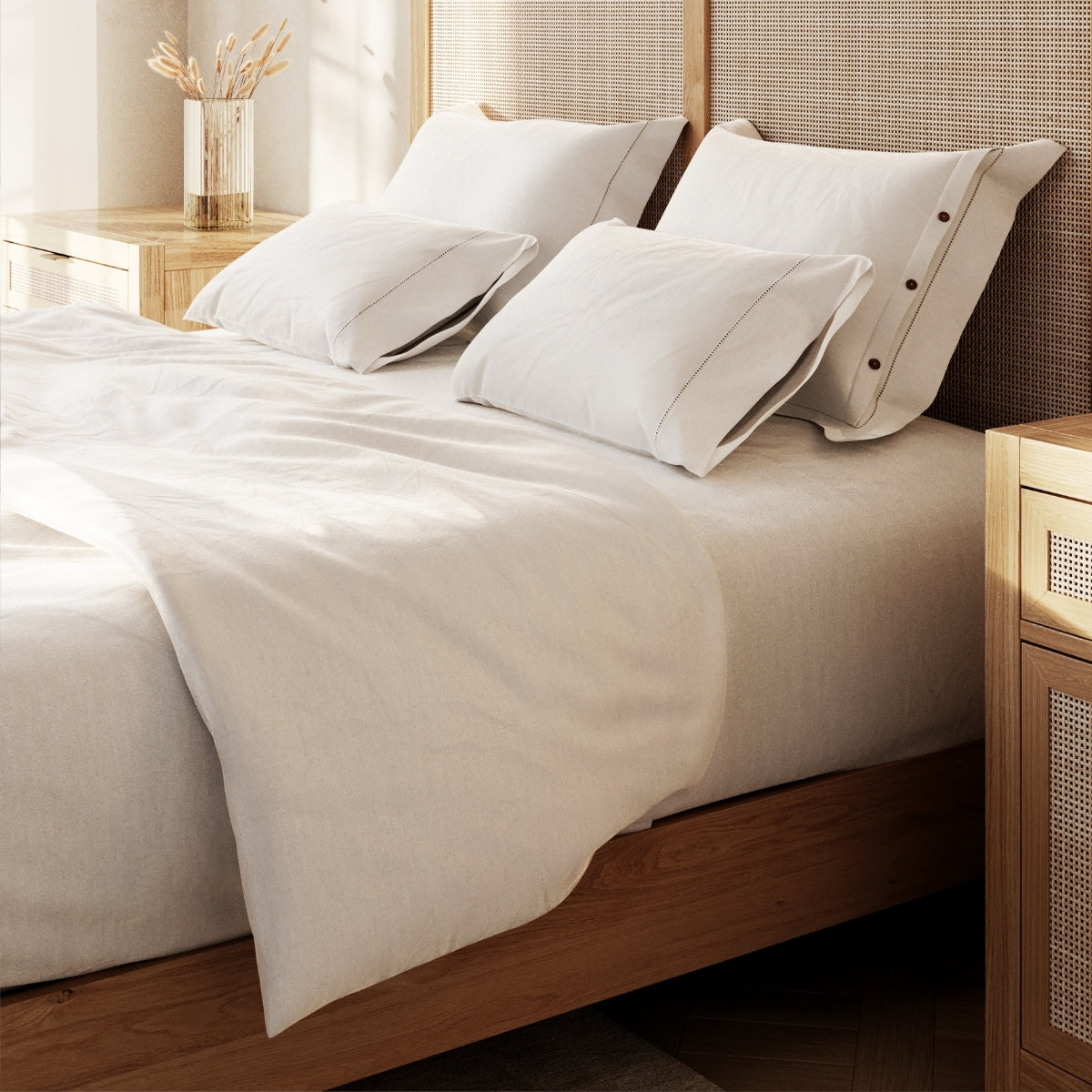


In early 2026, a TikTok creator went viral after she shared her experience with severe, sudden-onset cystic acne. The suspected cause? According to her doctor, it wasn't stress, skincare, or normal hormone fluctuations — it was chemicals used in the cheap mattress she had recently purchased online.
Endocrine-disrupting chemicals (EDCs), which can interfere with the body’s hormone system, are more common in the home than many people realize. They can be found in everyday items like plastic containers, nonstick cookware, upholstered furniture, mattresses, and even certain fabrics.
Because hormones regulate key functions like sleep and metabolism, reducing exposure to these chemicals is a growing priority for many households. This is especially true for families with children, whose development can be affected by hormone disruption.
While it’s not possible to eliminate EDCs entirely, there are changes you can make to reduce your exposure at home. Below, we’ll explain what endocrine disruptors are, where they’re commonly found, and how to avoid them in personal care products and home furnishings — including in the spaces where you spend the most time, like your bedroom.
Endocrine Disruptors: Key Points
- What they are: Endocrine-disrupting chemicals (EDCs) are substances that can interfere with the body’s hormone system.
- Where they’re found: Common in plastics, nonstick cookware, furniture, mattresses, food packaging, and synthetic fabrics.
- What’s the risk: Hormones regulate sleep, metabolism, growth, and development, so disruption can affect overall health.
- Who’s most vulnerable: Babies and children, due to their developing bodies and higher exposure relative to size.
- How to reduce exposure: Choose safer materials, limit plastics, avoid synthetic fragrances, and prioritize well-made home products.
Note: This blog may contain links to Naturepedic products and promotional content where relevant to the topic discussed.
What Are Endocrine Disruptors (EDCs)?
Endocrine disruptors are chemicals that can alter hormonal signaling in the body. They may mimic, block, or affect natural hormones, which can disrupt how the body regulates processes like sleep, metabolism, growth, reproduction, and more.
The endocrine system is a network of glands that produce and release hormones such as estrogen, testosterone, cortisol, and insulin. These hormones act as chemical messengers, helping to control everything from everyday functions like energy, libido, and mood to developmental processes, like puberty, pregnancy, and menopause. When hormone disruptors interfere with this system, even in small ways, there can be wide-ranging effects over time.
EDCs can be either naturally occurring or man-made, but most exposure in the home comes from synthetic chemicals used in everyday products. They are commonly found in plastics, food packaging, furniture, mattresses, personal care products, and certain synthetic fabrics.
Definition: EDCs (Endocrine-Disrupting Chemicals) — substances that can interfere with the body’s hormone system by mimicking, blocking, or altering natural hormones, per the National Institute of Environmental Health Sciences.
Are Endocrine Disruptors Harmful to Your Health?
Endocrine disruptors may be harmful to your health because they can interfere with how hormones are produced, released, and regulated in the body. Since hormones control essential functions like sleep, metabolism, growth, and reproduction, disruption can affect multiple systems over time.

Research is ongoing, but the latest studies have linked exposure to certain endocrine-disrupting chemicals with a range of health concerns, including:
- Reproductive issues and infertility
- Thyroid imbalance
- Metabolic disorders like obesity and diabetes
- Hormone-sensitive cancers, including breast and prostate cancers
- Immune system dysfunction
Infants and children are often considered more vulnerable to potential effects because their bodies are still developing. During periods of rapid growth, hormones play a critical role in shaping the brain and body, which is why reducing unnecessary exposure early in life is often recommended.
It’s also important to understand that exposure is rarely limited to a single source. Instead, it tends to be cumulative, coming from multiple products and environments over time. That’s why small, consistent changes in your home can help lower overall exposure — and a change as simple as a $100 mattress you bought off of Amazon can be the straw that breaks the camel's back.
5 Examples of Endocrine Disruptors Found at Home
While there are currently hundreds of chemicals suspected of being EDCs, there are a few key endocrine disruptors that show up more frequently in everyday products.

When it comes to your home and family, watch out for:
1. Phthalates
Phthalates are a group of chemicals often used to make plastics more flexible or to help fragrances last longer. In the home, they’re commonly found in vinyl products, food packaging, plastic wraps, and items labeled with the catch-all term “fragrance,” including air fresheners, candles, detergents, lotions, and shampoos. Phthalates are considered a concern because research has linked them to an increased risk of cancer, asthma, and allergies, as well as learning, attention, and behavioral difficulties in children. They can also migrate out of products over time, ending up in indoor air, dust, and on everyday surfaces.
In the bedroom and nursery, phthalates may also show up in waterproof vinyl materials used in some conventional mattresses, crib mattresses, and mattress covers. Choosing products made without vinyl and without added synthetic fragrance can help to reduce exposure.

2. PFAS (Per- and Polyfluoroalkyl Substances)
PFAS are a large group of synthetic chemicals used to make products resistant to water, grease, and stains. They’re commonly found in nonstick cookware, food packaging, waterproof clothing, carpets, upholstery, and some treated fabrics.
Often referred to as “forever chemicals,” PFAS don’t break down easily and can persist in the environment and the human body over time.
Some studies have linked certain PFAS to hormone disruption, immune system effects, and other health concerns, though research is still evolving.
In the home, PFAS may also be used in water- or stain-resistant finishes on furniture and mattresses. Choosing untreated materials or products that avoid these types of coatings can help reduce exposure.
3. Flame Retardant Chemicals
Flame retardants are chemicals added to materials to help them meet flammability standards. They’re commonly found in upholstered furniture, mattresses, foam cushions, baby gear like car seats and strollers, clothing (especially children's pajamas), and even some electronics. These chemicals can move out of products over time and settle into household dust, where they may be inhaled, ingested, or absorbed through the skin. Some flame retardants have been associated with endocrine and thyroid disruption, immunotoxicity, reproductive toxicity, cancer, and adverse effects on fetal and child development and neurobehavioral function, though regulations and formulations have evolved over time.
It’s important to note that flammability standards can be met without added chemical treatments. To some manufacturers, this means fiberglass, which is cost-effective but comes with a host of its own risks. Responsible manufacturers like Naturepedic rely on organic designs instead, using naturally flame-resistant materials like wool or barrier fabrics like plant-based PLA to achieve compliance.
4. BPA (Bisphenol A)
BPA is a chemical commonly used in certain plastics and resins. In the home, it’s often found in hard plastic containers, reusable water bottles, canned food linings, and thermal paper receipts. Exposure can occur when BPA leaches into food or beverages, especially when containers are heated or exposed to sunlight. It can also be absorbed through the skin from handling receipts or other coated papers.
BPA has been studied for its potential to interfere with hormone function, and its use has been restricted in some products, particularly those intended for infants and children. Still, it remains present in many everyday items, which is why reducing contact where possible can help lower overall exposure.
5. Triclosan
Triclosan is an antibacterial and antifungal agent that has been used in a wide range of consumer products, including hand soaps, toothpaste, detergents, and some cleaning supplies. It has also been incorporated into certain textiles and household items marketed as “antimicrobial.”
While its use has declined in recent years, triclosan can still be found in some products and materials. It can enter the body through skin contact or ingestion and has been studied for its potential to interfere with hormone function, as well as its broader environmental impact. Because of these concerns, many brands have moved away from triclosan in favor of simpler formulations. Choosing natural cleaning products without added antibacterial chemicals can help reduce unnecessary exposure.
Table: Common Endocrine Disruptors at Home
Is Polyester an Endocrine Disruptor?
Polyester itself is not typically classified as an endocrine disruptor. However, concerns can arise from the chemicals used during its production and finishing, as well as from additives that may be applied to polyester-based products.

Polyester is a synthetic fiber made from petroleum-derived compounds. Because it is not organic and cannot be organic certified as a fabric, it may be treated with dyes, flame retardants, stain-resistant coatings, or antimicrobial finishes during manufacturing, some of which have been associated with endocrine-disrupting properties. In addition, polyester can shed microplastics over time, which may carry chemical residues.
When used in bedding, clothing, or upholstery, polyester is in close and prolonged contact with the skin. It is also less breathable than many natural fibers, which can trap heat and moisture. While this doesn’t make polyester inherently unsafe, it can contribute to discomfort and may increase exposure to any chemical treatments present on the fabric.
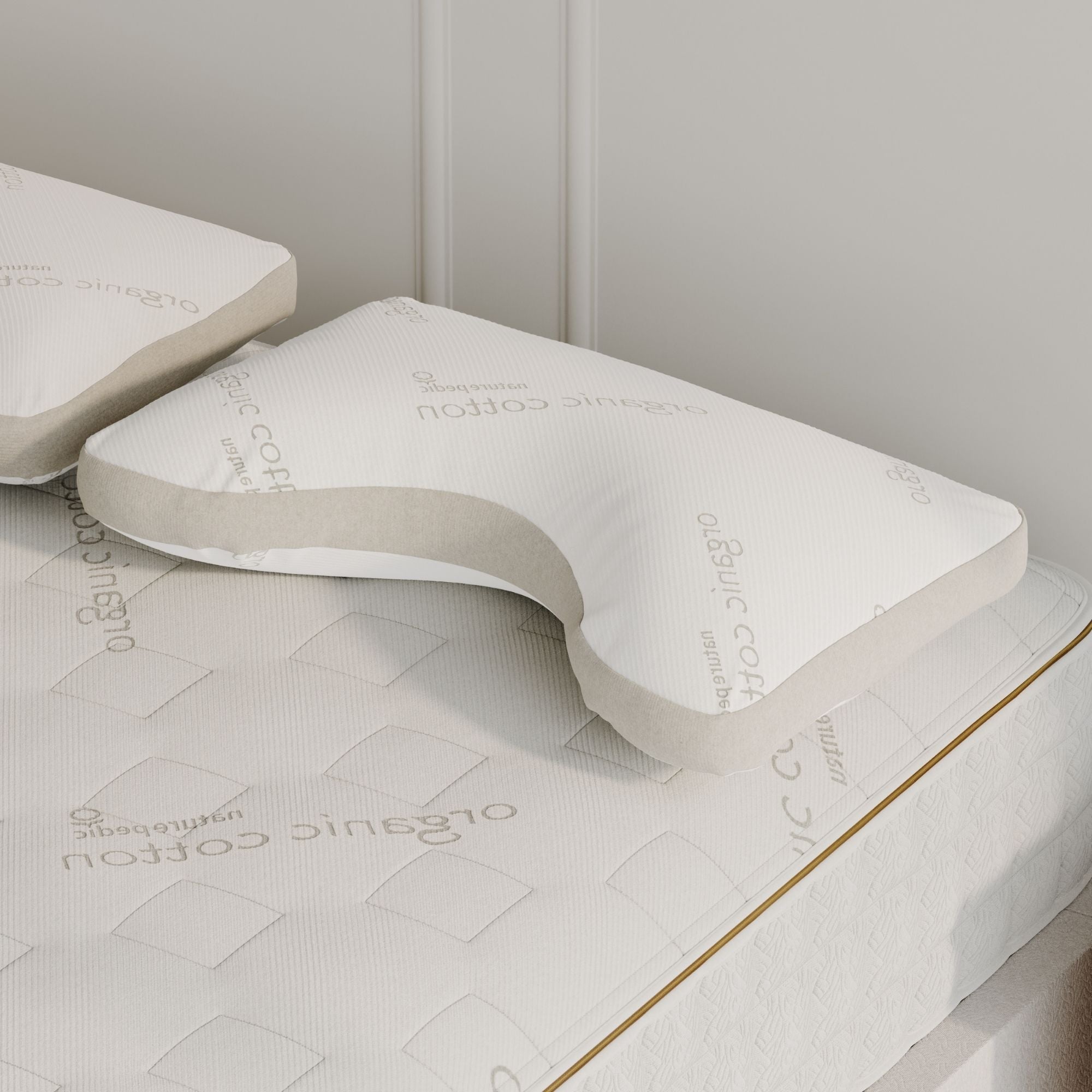
For those looking to reduce potential exposure, choosing simpler materials with fewer chemical treatments can be a helpful step. Bedding fabrics like organic cotton, wool, and linen are often preferred for their breathability and more straightforward processing.
Key Question: Are Polyester Sheets and Blankets Safe?
Polyester sheets and blankets are generally considered safe for everyday use, but they may not be the best choice for long-term comfort or minimizing chemical exposure. Synthetic fabrics can be treated with harsh dyes and finishes, and they tend to trap heat and moisture due to lower breathability. For bedding used nightly, many people prefer natural materials like cotton or wool for a more breathable and simplified sleep environment.
Tips to Avoid Endocrine Disruptors
While it’s not possible to eliminate endocrine disruptors entirely, small, intentional changes can help reduce your overall exposure.

Focusing on everyday items and materials in your home is a practical place to start:
- In the Kitchen: Start by limiting your use of plastics, especially for food and drink. Swap plastic containers for glass or stainless steel, and avoid heating food in plastic whenever possible. Choosing fresh or minimally packaged foods can also help reduce contact with chemicals used in food packaging.
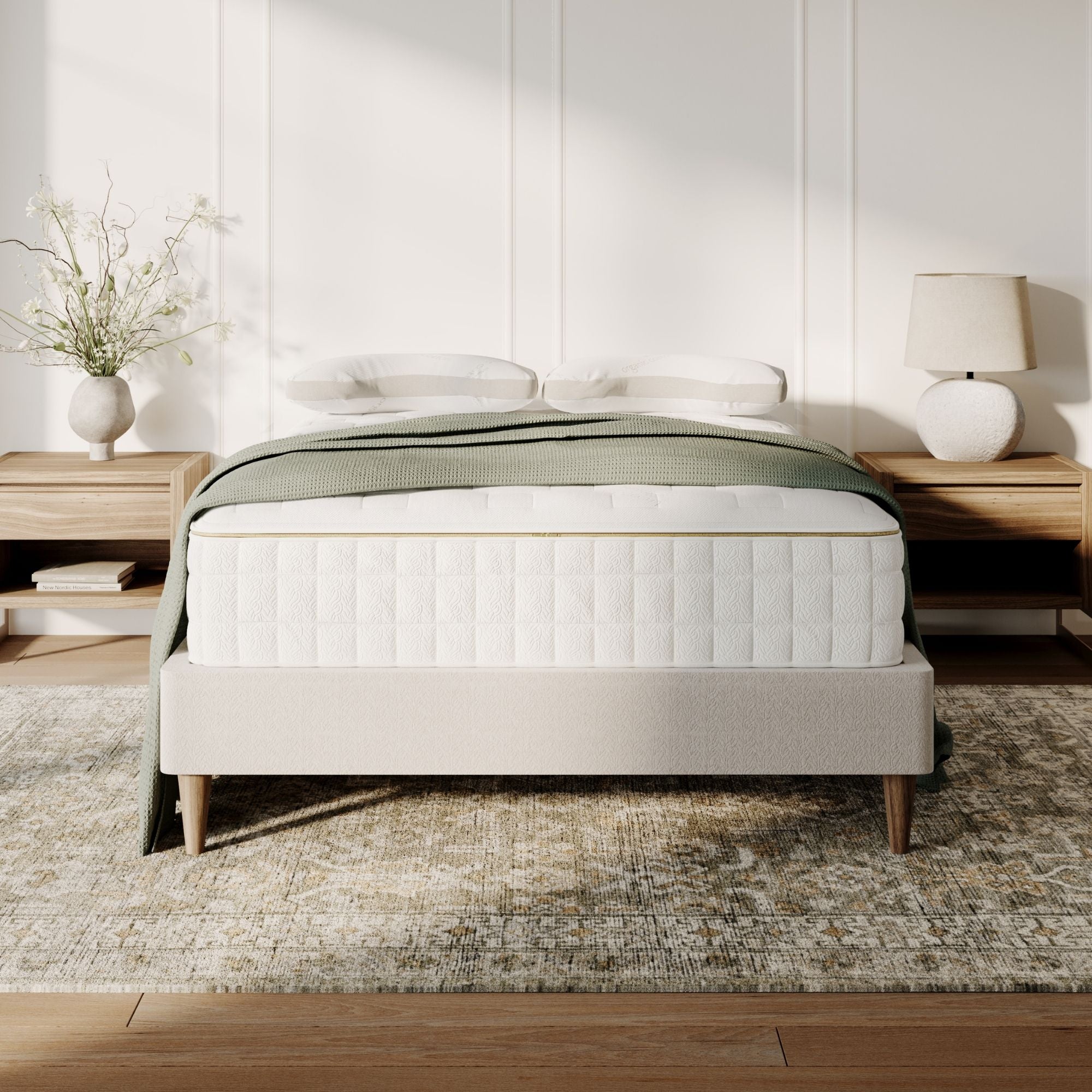
- In Your Bedroom: Your bedroom is one of the most important places to focus, since you spend hours there each night. Look for mattresses, bedding, and furniture made with simpler materials and fewer added treatments. Avoid products with synthetic fragrances or stain-resistant finishes, and opt for breathable fabrics like cotton or linen when possible.
- In Personal Care Products: Check ingredient labels and be mindful of terms like “fragrance,” which can represent a mix of undisclosed chemicals. Choosing products with fewer, more recognizable ingredients can help reduce unnecessary exposure. Antibacterial or “antimicrobial” claims are often unnecessary for everyday use and may indicate added chemical treatments.
- In Your Home Environment: Indoor air and dust can be a source of ongoing exposure. Regular cleaning, vacuuming, and good ventilation can help reduce buildup over time. Using a HEPA air purifier and opening windows when possible can also support better indoor air quality.
Have feedback on our story? Contact us to let us know what you think or visit our about us page to learn more!